
Explorar Temas
Descubre los artículos que más te interesan
 Guía de herramientas técnicas
Los 30 mejores blogs de desarrolladores para seguir en 2026
Esta lista ha sido seleccionada y clasificada según múltiples factores: relevancia del contenido, experiencia en el tema, frecuencia de publicación y actualidad. Los blogs con mayor credibilidad dentro de la comunidad de desarrolladores tienen una clasificación más alta. Esta lista se actualiza periódicamente para garantizar que refleje los blogs de desarrolladores más activos, influyentes y valiosos de Internet en la actualidad.1. Google Developers BlogDescripción: Noticias e información sobre las plataformas, herramientas y eventos de Google. Google Developers es tu fuente de anuncios, consejos profesionales de expertos en productos y recursos para respaldar tus esfuerzos de desarrollo.Redes Sociales: Facebook 462,3K | Twitter 2,7MAutoridad de Dominio: 952. Microsoft Developer BlogDescripción: Obtén la información, los análisis, los anuncios y las noticias más recientes de Microsoft. Fundada en 1975, Microsoft es líder mundial en dispositivos y servicios que ayudan a las personas y a las empresas a alcanzar su máximo potencial.Redes Sociales: Facebook 13,4M | Twitter 13,9MAutoridad de Dominio: 993. Stack OverflowDescripción: Ensayos, opiniones y consejos sobre la programación informática. Stack Overflow impulsa el desarrollo tecnológico a través del conocimiento colectivo. La plataforma pública de Stack Overflow atiende a 100 millones de personas cada mes, lo que la convierte en uno de los 50 sitios web más populares del mundo.Redes Sociales: Facebook 528,1K | Twitter 251,5K | Instagram 50,6KAutoridad de Dominio: 774. freeCodeCampDescripción: Explora miles de tutoriales de programación escritos por expertos. Aprende desarrollo web, ciencia de datos, DevOps, seguridad y obtén asesoramiento profesional para desarrolladores. Somos una comunidad sin fines de lucro que te ayuda a aprender a programar mediante la creación de proyectos.Redes Sociales: Facebook 293,2K | Twitter 836,3KAutoridad de Dominio: 875. DEV CommunityDescripción: Dev.to es una plataforma gratuita, de código abierto e impulsada por la comunidad donde los desarrolladores de software publican y descubren tutoriales de codificación, conocimientos técnicos e historias de programación para aprender, crecer e interactuar con otros escritores tecnológicos.Redes Sociales: Facebook 146,4K | Twitter 308,4K | Instagram 48,2KAutoridad de Dominio: 836. Smashing MagazineDescripción: Ofrece información sobre CSS, JavaScript, front-end, accesibilidad, UX y diseño. Para desarrolladores, diseñadores e ingenieros front-end. Fundada en septiembre de 2006 en Alemania, Smashing Magazine ofrece artículos fiables, útiles y, sobre todo, prácticos para diseñadores y desarrolladores web.Redes Sociales: Facebook 267,3K | Twitter 875,2KAutoridad de Dominio: 897. DZoneDescripción: Abarca artículos sobre agilidad, IA, big data, nube, bases de datos, DevOps, integración, IoT, Java, microservicios, código abierto, rendimiento, seguridad y desarrollo web. DZone ofrece a los profesionales de la tecnología el conocimiento, las herramientas y las estrategias que necesitan para construir el futuro.Redes Sociales: Facebook 49,3K | Twitter 74KAutoridad de Dominio: 848. Coding HorrorDescripción: Coding Horror es el espacio del experimentado desarrollador de aplicaciones web Jeff Atwood. El blog aborda diversos temas de desarrollo de software y seguridad, pero es el interés de Jeff por el componente humano del desarrollo lo que lo distingue.Redes Sociales: Twitter 283,8KAutoridad de Dominio: 789. A List ApartDescripción: Desde 1998, A List Apart ha explorado el diseño, el desarrollo y el significado del contenido web, con especial atención a los estándares web y las mejores prácticas. Su misión es informar, impulsar, desafiar, liderar y educar sobre la práctica y la profesión del diseño web y las especializaciones afines.Redes Sociales: Facebook 35,9K | Twitter 133,6KAutoridad de Dominio: 8410. GeeksforGeeksDescripción: Un portal de informática para expertos. Contiene artículos de informática y programación bien escritos, bien pensados y bien explicados, cuestionarios y preguntas prácticas/competitivas de programación y entrevistas empresariales.Redes Sociales: Facebook 217,2K | Twitter 84,3K | Instagram 477,4KAutoridad de Dominio: 7711. The Daily WTFDescripción: Fundado en 2004 por Alex Papadimoulis, The Daily WTF es tu guía práctica para desarrollar software. Relatamos historias de desarrollo desastroso, desde una gestión de proyectos espectacularmente mala hasta decisiones de programación inexplicables.Redes Sociales: Twitter 3,7KAutoridad de Dominio: 6812. SD TimesDescripción: Incluye artículos sobre API, IA, Agile, contenedores, datos, DevOps, DevSecOps, low code, microservicios, monitorización, seguridad, sin servidor, gestión del flujo de valor y más. Software Development Times es la principal fuente de noticias para la industria del desarrollo de software.Redes Sociales: Facebook 2.200 | Twitter 24.900Autoridad de Dominio: 7313. CodropsDescripción: Recursos creativos de front-end e inspiración para profesionales web. Codrops es un blog de diseño y desarrollo web que publica artículos y tutoriales sobre las últimas tendencias, técnicas y nuevas posibilidades web.Redes Sociales: Facebook 82,1K | Twitter 180,2K | Instagram 12,8KAutoridad de Dominio: 7914. Jon Skeet's Coding BlogDescripción: El blog de codificación de Jon Skeet es un lugar donde puedes leer los últimos blogs y recursos sobre codificación y desarrollo.Redes Sociales: Twitter 66,7KAutoridad de Dominio: 4515. Code SimplicityDescripción: La complejidad es absurda. La simplicidad es inteligente. Code Simplicity se centra en la idea de la simplicidad: cosas simples, pensamientos simples e ideas simples que pueden mejorar el mundo de la informática. Max Kanat-Alexander es el autor de Code Simplicity: The Science of Software Development, publicado por O'Reilly Media. Durante el día, Max es ingeniero de software principal en LinkedIn. Anteriormente, fue director técnico de Code Health en Google.Redes Sociales: Facebook 40,3K | Twitter 7,4KAutoridad de Dominio: 4316. Women Who Code BlogDescripción: El blog es una colección de publicaciones variadas que incluyen historias inspiradoras sobre las carreras de mujeres en tecnología, temas técnicos y de programación a fondo, reseñas de conferencias, editoriales del sector, consejos profesionales, noticias de WWCode y perspectivas de los principales líderes del sector. Women Who Code (WWCode) es una organización internacional sin fines de lucro dedicada a inspirar a las mujeres a destacar en sus carreras tecnológicas.Redes Sociales: Facebook 55,6K | Twitter 328KAutoridad de Dominio: 6217. Simple ProgrammerDescripción: Hola, soy John Sonmez, fundador de Simple Programmer. Aprende a programar, mejora tu carrera y desarrolla tus habilidades sociales. Simplifiquemos lo complejo y abordemos juntos los aspectos mentales del desarrollo de software.Redes Sociales: Facebook 15K | Twitter 41,8KAutoridad de Dominio: 5618. Codemotion MagazineDescripción: Codemotion es la plataforma probada que ayuda a los desarrolladores a desarrollar sus carreras conectando a profesionales de TI, comunidades tecnológicas y empresas. Como todas nuestras actividades, nuestra revista está hecha por desarrolladores para desarrolladores con una auténtica pasión por la programación.Redes Sociales: Facebook 27,9K | Twitter 2,3K | Instagram 10,6KAutoridad de Dominio: 4819. WebAppersDescripción: WebAppers es un blog dedicado a compartir recursos de código abierto de alta calidad para desarrolladores y diseñadores web a diario. Como diseñador web, encontrarás algunos de los mejores iconos, fotos de stock, pinceles, fuentes e inspiraciones de diseño gratuitas. Como desarrollador web, también encontrarás algunos de los mejores componentes de Javascript y Ajax.Redes Sociales: Facebook 7,7K | Twitter 3,4KAutoridad de Dominio: 5620. Quastor BlogDescripción: Conviértete en un mejor desarrollador con 5 minutos al día. Únete a las decenas de miles de ingenieros de software que leen Quastor. Somos un boletín para desarrolladores backend que profundiza en cómo las grandes empresas tecnológicas resuelven problemas interesantes en el diseño de sistemas.Autoridad de Dominio: 2821. SmashingHubDescripción: SmashingHub tiene que ver con recursos gratuitos en línea para desarrolladores, diseñadores y fotógrafos; puedes encontrar tutoriales útiles, WordPress, obsequios, arte digital, aplicaciones web, etc. SmashingHub (SH) es un blog líder y un sitio de recursos para diseñadores gráficos, fotógrafos, tecnología y desarrolladores web.Redes Sociales: Facebook 18,6K | Twitter 396Autoridad de Dominio: 5622. Pontikis.net BlogDescripción: Publicaciones de blog sobre Angular, marketing digital, SEO, administración de Linux, desarrollo móvil, Python y más. Pontikis.net es un blog de tecnología y tutoriales. Los laboratorios web son el espacio donde se presentan proyectos de código abierto. El propósito del sitio es analizar la tecnología web, su negocio y cultura, y proporcionar noticias tecnológicas de última hora.Redes Sociales: Facebook 2,9K | Twitter 566Autoridad de Dominio: 4123. DevelopnSolveDescripción: DevelopnSolve es una plataforma completa para desarrolladores y entusiastas de la tecnología interesados en mejorar sus habilidades y mantenerse al día con las últimas tendencias. Su blog ofrece soluciones y perspectivas.Redes Sociales: Twitter 74Autoridad de Dominio: 1624. SCAND BlogDescripción: SCAND es una empresa de externalización de TI ubicada en el centro de Europa, sede de las mejores universidades de TI y especialistas altamente cualificados en informática, matemáticas y áreas afines. La empresa se centra en la externalización del desarrollo de software a medida en diversas tecnologías, como .NET, Java, PHP, JavaScript y C++.Redes Sociales: Facebook 234 | Twitter 104Autoridad de Dominio: 4625. Net SolutionsDescripción: Lea nuestro contenido, impulsado por líderes de opinión, sobre las mejores prácticas y tendencias en el panorama tecnológico en constante evolución. Net Solutions es una consultora estratégica de diseño y construcción que une el pensamiento creativo de diseño con el desarrollo ágil de software bajo un mismo techo. Fundada en el año 2000, creamos productos y plataformas digitales transformadores y galardonados para startups y empresas de todo el mundo.Redes Sociales: Facebook 24,8K | Twitter 2K | Instagram 1,1KAutoridad de Dominio: 4626. Shaaf's BlogDescripción: Shaaf Syed es desarrollador de software en Red Hat, arquitecto, entusiasta del código abierto y entrenador de críquet. Su blog habla de Java, Kubernetes y otros temas que le interesan.Autoridad de Dominio: 627. Programmers Development BlogDescripción: Lea noticias de tendencia y actualizaciones sobre tecnología y conozca lo que los desarrolladores expertos dicen sobre los desarrollos recientes de la tecnología de la información en nuestro blog en Coders.Redes Sociales: Facebook 85 | Twitter 33 | Instagram 26Autoridad de Dominio: 2228. KoderSolution BlogDescripción: Descubre lo último en PHP, Laravel, JavaScript y tecnología móvil en el blog de KoderSolution. Accede a tutoriales sobre Node.js, React Native y más. Kodersolution es una plataforma profesional de aprendizaje tecnológico y programación que ofrece contenido interesante centrado en la fiabilidad y la programación.Redes Sociales: Facebook 21Autoridad de Dominio: 329. AIParabellum.com BlogDescripción: AIParabellum.com es su principal destino para descubrir y mostrar herramientas de IA de vanguardia. Como directorio dedicado a herramientas de IA, conectamos a creadores, innovadores y entusiastas en el campo de la inteligencia artificial.Redes Sociales: Facebook 4K | Twitter 1,4KAutoridad de Dominio: 1230. SitePoint BlogDescripción: SitePoint es una de las comunidades en línea más grandes de profesionales web. Su amplio y dinámico foro, miles de tutoriales de alta calidad y su amplia gama de productos educativos en su plataforma de aprendizaje learnable.com, convierten a sitepoint.com en el principal recurso en línea para diseñadores y desarrolladores web. Aprenda diseño y desarrollo web con los tutoriales, cursos y libros de SitePoint: HTML, CSS, JavaScript, PHP y Diseño Web Responsive.Redes Sociales: Facebook 90,9K | Twitter 114,6KAutoridad de Dominio: 87
 Guía de herramientas técnicas
12 blogs de IA para mantenerse al día con las tendencias de IA en 2026
A medida que la inteligencia artificial evoluciona a un ritmo acelerado, el volumen y la variedad del contenido sobre IA también han crecido. Blogs, podcasts , vídeos de YouTube y boletines informativos ofrecen diferentes maneras de mantenerse informado, abarcando desde comentarios de alto nivel sobre tendencias emergentes y lanzamientos de productos hasta análisis técnicos exhaustivos de nuevos modelos e investigaciones. Las mejores opciones ofrecen diversas perspectivas de escritores independientes, equipos de startups, grandes empresas tecnológicas y organizaciones de investigación. El resultado es un ecosistema diverso de blogs sobre IA con una amplia variedad de audiencias, enfoques y profundidad técnica.Esto incluye opciones de organizaciones de investigación, blogs académicos de IA, proveedores de IA y tecnología, y publicaciones independientes en el ámbito de la IA. He recopilado una lista de 12 blogs de IA para desarrolladores que vale la pena seguir para mantenerse informados sin perderse en el mundillo. En conjunto, abarcan áreas como el aprendizaje automático , el aprendizaje profundo, el procesamiento del lenguaje natural y las aplicaciones de IA en el mundo real, lo que facilita la exploración de los temas que más te interesan.Conclusiones clave:Los blogs centrados en la IA ofrecen información oportuna sobre las últimas tendencias, avances en la investigación y aplicaciones prácticas en inteligencia artificial y aprendizaje automáticoEstos blogs son publicados por organizaciones de IA, laboratorios de investigación, profesionales de IA, periodistas de la industria y analistas.La elección del blog adecuado para seguir dependerá de su nivel de conocimiento sobre IA/ML y del tipo de contenido que le interese leer.Los principales blogs sobre IA incluyen los publicados por DigitalOcean, BAIR, OpenAI, KDnuggets, Towards Data Science, MarkTechPost, Hugging Face, Towards AI, Holistic AI, Analytics Vidhya, Machine Learning Mastery y Anthropic.¿Qué son los blogs de inteligencia artificial (IA)?Los blogs de IA son publicaciones en línea que exploran cómo la inteligencia artificial , el aprendizaje automático y la ciencia de datos están transformando la tecnología, los negocios y la vida cotidiana. Abordan temas prácticos, como herramientas de IA, asistentes de programación y casos de uso reales, así como ideas más amplias como la ética, la regulación y las tendencias del sector.Algunos blogs de IA están escritos para desarrolladores y profundizan en detalles técnicos, mientras que otros son más accesibles para usuarios sin conocimientos técnicos, centrándose en explicar tendencias, desglosar noticias o compartir experiencias prácticas con nuevos productos. Además, sus empresas asociadas pueden ofrecer oportunidades de desarrollo profesional mediante cursos, portales de empleo y eventos virtuales de networking.¿Desea aprender más sobre los conceptos y herramientas fundamentales de IA para su trabajo diario? Visite The Wave para obtener recursos sobre herramientas de IA y comparaciones de productos.Cómo encontrar el blog de IA adecuado para tiPuedes encontrar una gran variedad de blogs sobre IA, pero que mencionen la IA o el aprendizaje automático en su descripción no significa necesariamente que tengan el contenido que buscas ni te aporten el valor que necesitas. Aquí tienes algunas preguntas que puedes hacerte al encontrar blogs sobre IA que seguir:Experiencia de los colaboradores : En el caso de blogs de empresas, determine qué información puede aportar su contenido en términos de desarrollos tecnológicos, novedades de productos, tutoriales y ofertas de IA. Si no se trata de un blog escrito por una empresa o proveedor de IA, verifique cómo participan los principales colaboradores y el personal en el ámbito de la IA. ¿Son desarrolladores, investigadores de IA, periodistas o analistas? ¿Utilizan realmente las tecnologías sobre las que escriben? Esto le ayudará a evaluar qué información o comentarios específicos proporcionará el contenido sobre los avances actuales en el ámbito de la IA.Profundidad técnica : Los blogs de IA pueden variar no solo en la cantidad de conocimientos necesarios para comprender la redacción y los conceptos, sino también en el nivel de detalle del contenido. Considera si prefieres información breve, como una lista que puedas revisar en minutos para obtener la información que necesitas, o si te interesa profundizar en detalles técnicos, teorías y tutoriales.Frecuencia del contenido : Algunas publicaciones comparten actualizaciones diarias, mientras que otras lo hacen con más frecuencia. Si desea mantenerse al día, siga una variedad de blogs de IA que publican contenido con distinta frecuencia.12 blogs sobre IA que debes leerHe recopilado una lista de 12 recomendaciones de blogs sobre IA que se centran en la IA y el aprendizaje automático, basándome tanto en mi investigación personal como en las menciones de colegas de DigitalOcean. Estas publicaciones varían ampliamente en contenido y perspectivas. Entre ellas se incluyen:BlogIdeal paraPúblico objetivoComunidad de DigitalOceanTutoriales prácticos de IA y orientación para la implementación en el mundo realDesarrolladores, ingenieros de DevOps, desarrolladores de IA (desde principiantes hasta avanzados)Blog de BAIRInvestigación académica de vanguardia sobre IA e ideas experimentalesInvestigadores, estudiantes de posgrado y entusiastas avanzados de la IABlog de OpenAIActualizaciones oficiales de investigación, lanzamientos de modelos y debates sobre seguridad de la IADesarrolladores, líderes de productos, profesionales de la IA, lectores de tecnología en generalKDnuggetsAmplia cobertura de ciencia de datos, técnicas de aprendizaje automático, herramientas y carreras profesionalesCientíficos de datos, ingenieros de aprendizaje automático, estudiantes centrados en su carrera profesionalHacia la ciencia de datosTutoriales de aprendizaje automático aplicado, explicaciones y casos prácticos del mundo realCientíficos de datos y profesionales de ML de nivel intermedio a avanzadoMarkTechPostNoticias de investigación sobre IA y análisis de modelos técnicos de rápida evoluciónIngenieros, investigadores y profesionales técnicos de IABlog de la comunidad Hugging FaceFlujos de trabajo de desarrollo y producción de ML y LLM de código abiertoIngenieros de aprendizaje automático, investigadores de PNL y colaboradores de código abiertoHacia la IAAprender conceptos de IA, continuar con el conocimiento profesional de IA e interactuar con la comunidadEntusiastas de la IA, profesionales en el inicio de su carrera, autodidactasIA holísticaGobernanza, ética, gestión de riesgos y regulación de la IALíderes políticos, equipos de cumplimiento, profesionales responsables de la IAAnalytics VidhyaDesarrollando habilidades prácticas en ciencia de datos e IA desde ceroEstudiantes, personas que cambian de carrera, profesionales de nivel inicial a medioDominio del aprendizaje automáticoAprendizaje paso a paso de los fundamentos y técnicas del aprendizaje automáticoEstudiantes de aprendizaje automático de principiantes a intermedios que prefieren una guía estructuradaBlog de Claude de AnthropicMejores prácticas de Claude, investigación de IA y seguridad de la IADesarrolladores que construyen con Claude, equipos de producto e implementadores técnicos1. Comunidad DigitalOcean para tutoriales prácticos de IALa Comunidad de DigitalOcean incluye una amplia variedad de tutoriales y artículos de la base de conocimientos sobre IA, aprendizaje automático y aprendizaje profundo. Está diseñada para desarrolladores interesados en IA, independientemente de su nivel de conocimientos técnicos. La información proporcionada por el equipo interno de contenido y los redactores técnicos está respaldada por la experiencia del sector y se ha probado mediante evaluaciones prácticas. La comunidad de DigitalOcean también es un recurso para obtener más información sobre las actualizaciones recientes de los productos de DigitalOcean y cómo contribuyen a sus objetivos de desarrollo de IA.¿Acaba de empezar con la IA generativa y desea gestionar todos sus flujos de trabajo desde un solo lugar, desde la experimentación hasta la producción? Gradient™ AI Agentic Cloud de DigitalOcean implementa agentes de IA totalmente gestionados e inferencia de modelos sin servidor con plantillas guiadas, una API unificada y herramientas integradas. Esto le permite explorar rápidamente los casos de uso de la IA y mantener una facturación predecible sin tener que gestionar varias cuentas o infraestructura.2. El blog de BAIR para la investigación académica de vanguardia en IAEl blog BAIR , del Laboratorio de Investigación de Inteligencia Artificial de UC Berkeley, es un blog de investigación en IA que abarca áreas como robótica, visión artificial y aprendizaje por refuerzo. Dirigido a un público con un perfil técnico y entusiastas de la IA, el blog explora el desarrollo de modelos de IA para CausalWorld (un marco de código abierto para el aprendizaje por transferencia robótica) y Concept Bottleneck (un marco para LLM interpretables), así como metodologías de modelos lingüísticos de gran envergadura y proyectos de investigación que abordan cuestiones de seguridad y sesgo de datos. También abarca temas relacionados mediante entrevistas e historias que ofrecen información sobre el laboratorio de investigación en IA de la universidad, además de artículos de investigación, metodologías y avances teóricos. Los artículos están escritos por estudiantes, posdoctorados y profesores de Berkeley.3. Blog de OpenAI para actualizaciones oficiales de investigación y lanzamientos de modelosEl blog de OpenAI ofrece información sobre investigación en IA, noticias de la empresa, actualizaciones de productos y liderazgo intelectual en seguridad. El contenido es ideal para cualquier persona interesada en los últimos avances de este proveedor líder de IA y cómo aborda importantes consideraciones éticas. Los artículos incluyen explicaciones detalladas, artículos de investigación, aplicaciones prácticas y actualizaciones sobre los productos y modelos de OpenAI, lo que lo convierte en un recurso de referencia para quienes usan OpenAI regularmente, trabajan en IA o están interesados en su funcionamiento y desean mantenerse informados sobre su evolución.4. KDnuggets para ciencia de datos y técnicas de aprendizaje automáticoKDnuggets (KD significa "descubrimiento de conocimiento") es un recurso para profesionales de la ciencia de datos, el aprendizaje automático y la IA. Ofrece una variedad de tutoriales, noticias de la industria y perspectivas de expertos. Fundada por el Dr. Gregory Piatetsky-Shapiro, un experto líder en minería de datos y aprendizaje automático, KDnuggets tiene una larga trayectoria de publicación continua durante más de dos décadas. Abarca actualizaciones de modelos de lenguaje, privacidad de datos en la era de la IA, visión artificial, procesamiento del lenguaje natural, operaciones de aprendizaje automático (MLOps) e ingeniería de datos. También ofrece una variedad de recursos de contenido sobre ciencia de datos y aprendizaje automático, además de consejos profesionales, consejos para la búsqueda de empleo, habilidades que debe poseer y orientación para construir su portafolio. Los colaboradores habituales incluyen editores internos y autores invitados que comparten información sobre las últimas herramientas, tendencias y desarrollos en el campo.5. Hacia la ciencia de datos para tutoriales de aprendizaje automático aplicadoTowards Data Science ofrece perspectivas profundas sobre los últimos avances en aprendizaje automático y ciencia de datos. Fundado en 2016 como un centro comunitario, el blog alberga contenido sobre algoritmos de vanguardia, canales de implementación de modelos y campos emergentes como el aprendizaje autosupervisado, las técnicas de programación y la ingeniería de datos. Con el respaldo de un grupo de editores, sus colaboradores habituales escriben artículos que incluyen una combinación de tutoriales, resúmenes de productos, tendencias del sector, guías prácticas y mejores prácticas. Dirigido tanto a investigadores principiantes como experimentados, Towards Data Science es un recurso valioso si te interesa aprender más sobre ciencia de datos y aprendizaje automático.6. MarkTechPost para noticias de investigación en IA de actualidadMarkTechPost es una plataforma de noticias sobre IA con una comunidad de más de 1,5 millones de profesionales y desarrolladores de IA. Abarca contenido técnico para la investigación en IA, incluyendo noticias y tutoriales sobre modelos de lenguaje grandes, aprendizaje automático, visión artificial, aprendizaje por refuerzo, aprendizaje federado y procesamiento del lenguaje natural. Si trabajas en aprendizaje automático, ciencia de datos, desarrollo de software o investigación de IA/ML, encontrarás ideas útiles para usar la IA para mejorar las operaciones comerciales e impulsar la innovación. Su equipo interno también creó el Centro de Investigación de ML , que analiza cómo el aprendizaje automático está transformando el panorama global.7. Blog comunitario de Hugging Face para el desarrollo de aprendizaje automático y LLM de código abiertoEl blog de la comunidad de Hugging Face es un recurso de referencia para el procesamiento del lenguaje natural y los avances en aprendizaje automático. Encontrará información sobre el desarrollo y la aplicación de LLM, como BERT junto con artículos sobre la implementación de modelos y tutoriales sobre el ajuste y la integración de modelos en flujos de trabajo de producción . Con un fuerte énfasis en la democratización de la IA, el blog comparte actualizaciones periódicas de productos, contribuciones de la comunidad, proyectos colaborativos y nuevas herramientas que aumentan la accesibilidad del aprendizaje automático. Hugging Face también ofrece varios cursos para aprender más sobre conceptos de IA, como agentes, MCP y LLM. Si prefiere la experiencia práctica, asegúrese de consultar sus hackatones patrocinados que ofrecen créditos gratuitos para probar las ofertas. Independientemente de si es un entusiasta de la IA, un investigador o un desarrollador, encontrará información valiosa en el blog de la comunidad de Hugging Face.¿Cómo es trabajar directamente con componentes de Hugging Face? Aprende a implementar servicios de IA generativa de Hugging Face en Droplets de GPU de DigitalOcean con nuestro tutorial paso a paso.8. Hacia la IA para el contenido y la comunidad de aprendizaje de IATowards AI ofrece una amplia gama de contenido para entusiastas y profesionales de la IA que trabajan con IA, ciencia de datos, aprendizaje automático, procesamiento del lenguaje natural, así como con la ética y las prácticas empresariales de la IA. Los lectores pueden acceder a artículos escritos por expertos técnicos, junto con cursos guiados para ampliar sus conocimientos sobre IA. La publicación también modera una comunidad de más de 64.000 desarrolladores y entusiastas de la IA que participan en reuniones locales, colaboran en proyectos, organizan retos semanales e intercambian información. Estos recursos convierten a Towards AI en un blog de IA ideal para principiantes que desean aprender los fundamentos o encontrar una comunidad y ampliar sus conocimientos profesionales.Blogs para marcar como favoritos:Guía rápida de ingeniería rápidaEntendiendo XGBoost: Una inmersión profunda en el algoritmoCómo crear agentes de viajes con inteligencia artificial usando Phidata y Qdrant9. IA holística para la gobernanza y la ética de la IAEl blog Holistic AI es un recurso líder para obtener información sobre el desarrollo y la gobernanza de sistemas éticos de IA, que incluyen la equidad, la rendición de cuentas, la transparencia y la gestión de riesgos de la IA. Fundado por Emre Kazim y Adriano Koshiyama en el University College de Londres, Holistic AI tiene como objetivo ayudar a las empresas a construir y escalar sistemas de IA responsables que se integren armoniosamente con la sociedad. Su contenido ofrece análisis de expertos sobre los últimos avances regulatorios, estudios de caso sobre mitigación de sesgos , seminarios web, artículos de investigación y mejores prácticas para implementar la IA de forma responsable en diversos sectores. Con un fuerte énfasis en la creación de una IA fiable, el blog constituye un recurso valioso para quienes estén interesados o trabajen en políticas de IA, así como para quienes se comprometan a alinear las tecnologías de IA con los estándares éticos.10. Analytics Vidhya para desarrollar habilidades prácticas en ciencia de datos e inteligencia artificialEl blog de Analytics Vidhya se dedica a la ciencia de datos, la IA y el aprendizaje automático. Su objetivo es "ayudar a formar la próxima generación de profesionales de la IA" ofreciendo una amplia colección de tutoriales, entrevistas, guías profesionales y desafíos de programación, tanto para principiantes como para quienes ya están consolidados en el sector. Los temas principales incluyen algoritmos de aprendizaje automático, técnicas de visualización de datos , agentes de IA , IA generativa, ingeniería de avisos , modelos de lenguaje extensos y orientación profesional y para entrevistas. Si te interesa desarrollar habilidades en IA y ciencia de datos, te recomendamos Analytics Vidhya.11. Dominio del aprendizaje automático para el aprendizaje paso a paso de los fundamentos del aprendizaje automático.Machine Learning Mastery es un blog y centro de recursos fundado por Jason Brownlee, investigador científico con un doctorado en Ciencias de la Computación e IA, diseñado para hacer el aprendizaje automático más accesible y comprensible. Es ideal para quienes desean ampliar sus conocimientos sobre aprendizaje automático o refrescar su comprensión de conceptos específicos. El contenido, seleccionado por su equipo de edición técnica, abarca herramientas, marcos y conceptos fundamentales específicos de aprendizaje automático. El sitio también ofrece una selección de guías paso a paso y libros electrónicos para aprender más sobre los fundamentos del aprendizaje automático, habilidades de programación para principiantes, aprendizaje profundo intermedio y aplicaciones avanzadas.12. Blog de Claude de Anthropic para las mejores prácticas de Claude y la seguridad de la IA.El blog de Claude de Anthropic se centra en ayudar a los usuarios a desarrollar sus capacidades de Claude, aprender sobre los agentes de IA e implementar la IA eficazmente en la empresa. La compañía también publica comunicados de prensa y actualizaciones sobre sus marcos de seguridad y ética de la IA , consolidándose como un recurso en el sector y ofreciendo guías para una IA empresarial confiable . Además de las políticas e investigaciones sobre IA, también encontrará guías prácticas sobre cómo usar Claude en sectores como la salud, las finanzas y la ingeniería. Este blog es ideal para quienes deseen aprender a utilizar y mejorar las funciones de Claude en sus flujos de trabajo diarios o mantenerse informados sobre las últimas normativas y consideraciones de seguridad.Blogs para marcar como favoritos:Ampliando las capacidades de Claude con habilidades y servidores MCPHaciendo de Claude un mejor ingeniero eléctricoCómo las empresas están creando agentes de IA en 2026Preguntas frecuentes sobre los mejores blogs de IA¿Cómo encuentro blogs de IA?Un excelente punto de partida es la Comunidad de DigitalOcean, que ofrece contenido centrado en IA para todos los niveles de experiencia. Encontrarás una amplia gama de temas y formatos, incluyendo artículos educativos, tutoriales prácticos, vídeos, documentación de productos, además de tendencias y comentarios del sector. También puedes participar en las comunidades de IA de DigitalOcean en Discord , X y LinkedIn para encontrar recomendaciones de otros profesionales.¿Cuáles son los mejores blogs de IA para seguir?Para blogs de IA que abarcan diversos temas, consulta la Comunidad DigitalOcean, Towards AI, el blog de la comunidad Hugging Face, Towards AI, KDNuggets y Analytics Vidhya. Si buscas blogs específicos sobre aprendizaje automático, puedes consultar Machine Learning Mastery y Towards Data Science. También puedes encontrar investigaciones en el blog de BAIR, MarkTechPost y Holistic AI. Entre los blogs de empresas se incluyen el blog de OpenAI y el blog de Claude de Anthropic.¿Son útiles los blogs de IA para principiantes?Entre los blogs útiles para principiantes en IA se incluyen la Comunidad DigitalOcean, Towards AI, el Blog de la Comunidad Hugging Face y Machine Learning Mastery. Todos estos recursos ofrecen contenido introductorio sobre conceptos básicos de IA y materiales de aprendizaje para ampliar tus conocimientos sobre IA.¿Cuáles son algunos blogs de aprendizaje automático que se deben seguir?Los principales blogs que siguen la investigación sobre aprendizaje automático incluyen la comunidad DigitalOcean, el blog Berkeley Artificial Intelligence Research (BAIR), el blog de la comunidad Hugging Face, Towards Data Science y KDnuggets.¿Con qué frecuencia debo seguir los blogs de la industria de la IA?Las industrias de la IA y el aprendizaje automático introducen innovaciones a diario. Si bien no todos los blogs de IA publican contenido nuevo a diario, si desea mantenerse al día sobre nuevos modelos, tecnologías y novedades de productos, planifique seguir una combinación de blogs de la industria de la IA que ofrecen actualizaciones diarias y otros que publican contenido nuevo con menos frecuencia, pero profundizan en temas de interés.The AI and machine learning industries introduce new innovations on a daily basis. While not all AI blogs publish new content daily, if you want to keep informed about new models, technologies, and product news, plan to follow a mix of AI industry blogs that offer daily news updates and others that publish new content less regularly but dive deeper into topics of interest.Construya con la plataforma Gradient de DigitalOceanBuild with DigitalOcean’s Gradient PlatformLa plataforma Gradient de DigitalOcean facilita la creación e implementación de agentes de IA sin necesidad de gestionar una infraestructura compleja. Cree agentes personalizados y totalmente gestionados, respaldados por los LLM más potentes del mundo, como Anthropic, DeepSeek, Meta, Mistral y OpenAI. Desde chatbots orientados al cliente hasta flujos de trabajo complejos con múltiples agentes, integre la IA de Agentic con su aplicación en cuestión de horas, con una facturación transparente basada en el uso y sin necesidad de gestionar la infraestructura.Características principales :Inferencia sin servidor con LLM líderes e integración de API sencillaServerless inference with leading LLMs and simple API integrationFlujos de trabajo de RAG con bases de conocimiento para una recuperación optimizadaRAG workflows with knowledge bases for fine-tuned retrievalCapacidades de llamada de funciones para acceder a información en tiempo realFunction calling capabilities for real-time information accessTripulaciones de múltiples agentes y enrutamiento de agentes para tareas complejasMulti-agent crews and agent routing for complex tasksBarandillas para la moderación de contenido y la detección de datos confidencialesGuardrails for content moderation and sensitive data detectionFragmentos de chatbot integrables para una fácil integración en sitios webEmbeddable chatbot snippets for easy website integrationCapacidades de control de versiones y reversión para una experimentación seguraVersioning and rollback capabilities for safe experimentation
 Guía de herramientas técnicas
OpenClaw:¿qué tan poderosos son los empleados digitales que pueden realizar un trabajo real?
La aparición de OpenClaw ha transformado por completo la percepción que la gente tenía de los asistentes de IA. Esta plataforma de agente de IA de código abierto no solo puede comprender instrucciones, sino también operar computadoras, llamar a herramientas y realizar tareas reales como un ser humano. Ha evolucionado de un chatbot a un verdadero empleado digital.A principios de 2026, en el ámbito de la IA, un proyecto de código abierto llamado OpenClaw arrasó en el mundo a una velocidad asombrosa: en apenas unos días, el número de estrellas en su repositorio de GitHub se disparó a 150.000, e incluso el otrora nicho Mac Mini se volvió tan popular que se agotó.Lo más mágico es que este proyecto cambió de nombre tres veces en dos semanas, de Clawdbot a Moltbot, y finalmente se decidió por OpenClaw. El "Culto Crustáceo" que surgió a su alrededor se ha convertido en un tema de interés en la comunidad de desarrolladores: 150.000 agentes de IA se reunieron en el foro de Moltbook, considerando que "La memoria es sagrada" es la doctrina fundamental.Cuando los principales blogueros se apresuraron a recomendarlo y los profesionales de Silicon Valley acudieron en masa a comprar hardware para su implementación, este proyecto aparentemente repentinamente popular en realidad tocó el núcleo del desarrollo de la IA: transformar la IA de "una boca que habla" a "una mano capaz".OpenClaw no es un dios, pero su aparición anuncia oficialmente que las aplicaciones de IA han entrado en la "era de la ejecución".Desde un colega digital siempre listo hasta un asistente privado disponible las 24 horas, los 7 días de la semana, esta herramienta de código abierto desarrollada por un programador jubilado permite a la gente común experimentar el verdadero placer de "tener una IA que haga el trabajo por ellos".¿Qué es exactamente?¿Cuáles son las diferencias esenciales entre éste y ChatGPT, Claude Skills?¿Cómo puede la gente común empezar a hacerlo a bajo coste?Este artículo desglosará exhaustivamente la lógica central y la guía de uso de este proyecto de IA a nivel de fenómeno para usted.Redefiniendo los asistentes de IA:OpenClaw no es un chatbot, sino un empleado digital que puede realizar trabajos.En la era actual, cuando modelos de gran tamaño como ChatGPT y Claude son populares desde hace mucho tiempo, las expectativas de las personas con respecto a la IA ya no son solo "poder responder preguntas", sino "poder resolver problemas".El valor principal de OpenClaw es llenar este vacío: no es solo un simple chatbot, sino una plataforma de agente de IA local y de código abierto, un empleado digital real que puede operar computadoras, llamar a herramientas y completar tareas reales como un ser humano.Puedes entender a OpenClaw como un colega que no necesita sueldo y trabaja las 24 horas. Su característica más innovadora es el "acceso ilimitado": sin abrir una aplicación dedicada, puedes acceder directamente a las herramientas de comunicación que usas a diario, como WhatsApp, Telegram, Discord y también a DingTalk y Feishu en China.Cuando envías una instrucción en lenguaje natural en un chat grupal o privado, no solo responderá con un texto. Si se le otorgan los permisos correspondientes, actuará directamente: te ayudará a enviar un correo electrónico a un concesionario de coches para negociar, analizará temas de actualidad en X y YouTube para generar contenido popular, ejecutará código para el análisis de datos a las 2 de la madrugada, organizará automáticamente informes del sector y los enviará cada mañana, e incluso te ayudará a facturar un vuelo, organizará carpetas del ordenador y responderá automáticamente a los correos electrónicos no leídos.Esta es también la diferencia más esencial entre OpenClaw y ChatGPT: si ChatGPT es la "boca" que sólo puede dar respuestas y sugerencias basadas en preguntas, entonces OpenClaw es la "mano" que puede convertir las ideas en acciones reales.El primero es un respondedor pasivo, mientras que el segundo es un ejecutor activo, y este es el punto de inflexión de las aplicaciones de la IA: de "poder responder" a "poder hacer el trabajo".Como comentó la comunidad de desarrolladores: "Finalmente tenemos una IA que puede entender lo que decimos y realmente hacer cosas, en lugar de algo inútil que simplemente dice 'Puedo ayudarte'".Desde una perspectiva técnica, OpenClaw es la "capa de orquestación" de los agentes de IA. Combina a la perfección la capacidad de razonamiento de los grandes modelos con la capacidad de ejecución de las herramientas, lo que permite a la IA ir más allá del simple cuadro de diálogo y entrar de lleno en el trabajo y la vida de los usuarios, logrando una "operación corporeizada": operar el escritorio, invocar funciones del sistema y conectarse a diversos programas como una persona real, completando así el ciclo completo del proceso, desde la planificación hasta la ejecución.Arquitectura de cuatro capas para crear una IA integral:La lógica colaborativa de la recepción, el cerebro, las manos y el archivadorEl núcleo que permite a OpenClaw lograr la "capacidad de ejecución" es su arquitectura técnica clara y eficiente de cuatro capas.Como dice el concepto de diseño del desarrollador del proyecto, Peter Steinberger: "Un excelente asistente de IA debe ser capaz de escuchar, pensar, hacer y recordar".Los cuatro componentes de OpenClaw corresponden exactamente a estas cuatro habilidades. En el video, se resumen simplemente como la recepción, el cerebro, las manos y el archivador. A nivel técnico, esta arquitectura se divide en cuatro módulos principales: adaptador de canal, agente, complemento de habilidad y sistema de memoria.Recepción: Puertos de acceso ilimitados para múltiples plataformasLa función principal de esta capa es conectarse a varias herramientas de comunicación, y también es la clave para que OpenClaw "esté a su servicio en cualquier momento".El adaptador de canal permite una cobertura completa de los principales programas de comunicación. Ya sea WhatsApp y Telegram en el extranjero o DingTalk y Feishu en China, todos se conectan sin problemas.Los usuarios no necesitan aprender nuevos métodos de operación y pueden emitir instrucciones en la interfaz de chat habitual. OpenClaw estandarizará los mensajes de diferentes plataformas y los transmitirá al módulo principal del agente, logrando una respuesta de dominio completo con una sola instrucción.Cerebro: El núcleo de múltiples modelos para la toma de decisiones inteligentesSi la recepción son los "oídos" de OpenClaw, entonces el cerebro es su "centro de pensamiento".Esta capa integra los principales modelos nacionales e internacionales, como Claude, ChatGPT, DeepSeek, Zhipu GLM y MiniMax. Los usuarios pueden cambiar de modelo con flexibilidad según sus necesidades y presupuesto.La función principal del modelo grande es comprender, desensamblar y planificar las instrucciones en lenguaje natural del usuario. Por ejemplo, al decir "Ayúdame a analizar los temas de actualidad de la industria de esta semana y a escribir un tuit", el cerebro primero desensamblará la tarea: recopilará información de la industria, filtrará los temas de actualidad, determinará el tema del tuit y redactará el contenido. Luego, formulará los pasos de ejecución y los pasará a la siguiente capa.Manos: Sistema de scripts y complementos para su implementaciónEste es el núcleo de la "capacidad de realizar trabajos" de OpenClaw y la diferencia clave con respecto a los modelos grandes tradicionales.Las llamadas "manos" son varios scripts y complementos invocables que permiten a OpenClaw obtener la capacidad real de operar la computadora:Controlar el navegador para navegar por páginas web, completar formularios y realizar reconocimiento de capturas de pantalla;Llamar al sistema de correo electrónico para enviar correos electrónicos y organizar archivos;Ejecutar comandos de terminal para ejecutar código e instalar software;Conéctese a varias API para generar imágenes y analizar datos;Incluso lograr gestión entre dispositivos y controlar remotamente ordenadores del hogar o de la empresa.Estos complementos, como manos humanas, transforman las ideas del cerebro en acciones reales. El código abierto de OpenClaw también permite a los desarrolladores personalizar y desarrollar complementos, ampliando infinitamente sus posibilidades.Archivador: Local - primer sistema de memoria de modo dual"La memoria es sagrada", que es la doctrina central del "Culto Crustáceo" y también una de las principales ventajas competitivas de OpenClaw.El mayor problema de los asistentes de IA tradicionales es su falta de memoria. Pierden las preferencias del usuario entre conversaciones. Sin embargo, el archivador de OpenClaw utiliza una arquitectura de memoria de modo dual, lo que permite que se vuelva más inteligente con el uso.La memoria a corto plazo se almacena en caché en la memoria, guardando el contexto de la conversación durante 72 horas para garantizar la coherencia de las interacciones de múltiples rondas;La memoria a largo plazo se almacena localmente a través de la base de datos SQLite y los archivos Markdown, guardando permanentemente las preferencias, hábitos, decisiones importantes y registros de tareas de los usuarios.Más importante aún, todos los datos de la memoria se almacenan en el dispositivo local del usuario sin subirlos a la nube, lo que no solo garantiza la privacidad de los datos sino que también permite a OpenClaw recordar con precisión las necesidades del usuario (por ejemplo, recordar su café, sus preferencias de bebida, su estilo de escritura y sus hábitos de oficina), convirtiéndose verdaderamente en un asistente de IA "dedicado".El trabajo colaborativo de estas cuatro capas de arquitectura convierte a OpenClaw en un agente inteligente completo capaz de escuchar, pensar, actuar y recordar. Su diseño, que prioriza lo local, también lo hace muy superior a los productos de IA basados en la nube en términos de privacidad y controlabilidad.El viaje de un programador jubilado hacia la creación de un sueño:La lógica del nacimiento y la popularidad de OpenClawLa popularidad de OpenClaw puede parecer accidental, pero en realidad es una doble necesidad de la acumulación tecnológica y de las necesidades de la época. Su nacimiento surge de la "falta de voluntad" de un programador jubilado.El desarrollador del proyecto Peter Steinberger es el fundador de la conocida herramienta PDF PSPDFKit, un programador senior con años de experiencia en el campo técnico.Ya en abril de 2024, tuvo la idea de desarrollar una IA de tipo asistente vital. Sin embargo, en aquel momento, el nivel técnico de los grandes modelos convencionales era limitado, y las capacidades básicas de ejecución autónoma e interacción continua no se podían alcanzar. Por lo tanto, este plan tuvo que suspenderse temporalmente.En noviembre de 2025, Peter, jubilado, descubrió que los productos de IA de las principales empresas tecnológicas todavía estaban en la etapa de "diálogo" y no existía un asistente de IA integral que pudiera satisfacer verdaderamente las necesidades de los usuarios individuales y poder implementarse localmente."Como las grandes empresas no lo hacen, lo haré yo mismo". Con esta idea en mente, reinició la investigación y el desarrollo del proyecto. Completó la construcción del prototipo de primera generación en tan solo una hora y luego dedicó dos meses en solitario al desarrollo principal de OpenClaw.Lo que es más irónico es que una gran cantidad del código de esta herramienta de IA que puede ayudar a los humanos a realizar su trabajo fue generado por Peter con la ayuda de la IA: la IA creando IA se ha convertido en otro tema interesante en el círculo tecnológico.A principios de 2026, el proyecto se lanzó al mercado de código abierto con el nombre de Clawdbot, luego se renombró Moltbot y finalmente se denominó OpenClaw. Tencent Cloud y Alibaba Cloud también lanzaron rápidamente una solución de implementación en la nube con un solo clic para OpenClaw, que facilita su implementación ecológica.En tan solo unos días, el número de estrellas en el GitHub de OpenClaw superó las 150.000, convirtiéndolo en un proyecto de código abierto de nivel fenomenal. Su popularidad no es casual, sino que satisface con precisión las tres necesidades principales de los usuarios de Silicon Valley e incluso de todo el mundo:1. Expectativa a largo plazo de una «IA que pueda trabajar»Desde Siri hasta Xiaoai, la torpeza de los asistentes de IA tradicionales ha decepcionado a los usuarios durante mucho tiempo: es posible que no "entiendan" después de una larga conversación, y mucho menos que no puedan realizar un trabajo real.La aparición de OpenClaw finalmente hace realidad la máxima fantasía de las personas: un asistente de inteligencia artificial: una sola frase puede hacer que actúe, liberando verdaderamente las manos de las personas.Algunos internautas le pidieron que enviara un correo electrónico a un concesionario de automóviles para negociar y logró reducir el precio en $4,200;Algunos creadores de contenido le pidieron que analizara temas de actualidad en plataformas extranjeras y generara automáticamente textos populares, creándolos continuamente durante 24 horas;Algunos programadores le pidieron que ejecutara código y hiciera pruebas por la noche y pudieron ver los resultados cuando fueron a trabajar por la mañana.Esta experiencia de “contratar a un empleado digital” afectó instantáneamente los puntos débiles de los usuarios.2. Búsqueda extrema de la soberanía y la privacidad de los datosEn la era del big data, la privacidad de los datos se ha convertido en el foco de atención de todos.La mayoría de los productos de IA más comunes del mercado se implementan en la nube. Las instrucciones y los datos de los usuarios deben subirse al servidor, lo que supone un riesgo de fugas.El diseño local de OpenClaw resuelve este problema con precisión: todos los datos, conversaciones y recuerdos se almacenan en el ordenador del usuario. La configuración la decide el usuario y puede modificarla a voluntad, logrando así la plena soberanía de los datos.Esto es especialmente importante para personas como abogados, profesionales financieros y gerentes de empresas que necesitan manejar información confidencial.3. Umbral bajo y alta escalabilidad de código abierto y gratuitoEl código principal de OpenClaw es completamente de código abierto. Se puede descargar, modificar y re-desarrollar libremente en GitHub, lo que le confiere una gran vitalidad comunitaria.Los desarrolladores pueden personalizar complementos y adaptar modelos según sus necesidades. Las empresas pueden desarrollar asistentes de IA dedicados basados en su arquitectura, y la gente común puede experimentar tecnología de IA de vanguardia sin costo alguno.Este modelo de código abierto hace que OpenClaw ya no sea un producto único sino una plataforma ecológica de agentes de IA abiertos.Además, la adaptabilidad del hardware de OpenClaw también reduce significativamente su umbral.A diferencia de los agentes de IA basados en la nube, requiere un dispositivo local como soporte operativo. Gracias a su bajo nivel de ruido, ahorro de energía y pequeño tamaño, la Mac Mini se ha convertido en la mejor opción, lo que también ha provocado que la otrora ignorada Mac Mini se agotara de la noche a la mañana. Algunos incluso compraron 40 Mac Mini a la vez para implementarlas en lotes.Por supuesto, para los usuarios comunes, no es necesario seguir la tendencia a ciegas. Sus propios ordenadores o servidores en la nube económicos pueden ejecutar OpenClaw. El servidor ligero de Alibaba Cloud incluso tiene un precio de actividad de 9,9 $ al mes, lo que permite a cualquier persona comenzar fácilmente.Confrontación central con Claude Skills:La diferencia esencial entre una caja de herramientas y un empleado digitalTras la popularización de OpenClaw, muchos lo compararon con Claude Skills, lanzado por Anthropic en 2026. Ambos permiten que la IA alcance más funciones, pero en realidad son dos productos completamente diferentes: uno es una "caja de herramientas" y el otro un "empleado digital", con escenarios y necesidades de aplicación muy diferentes.Para elegir la herramienta adecuada, primero es necesario aclarar las diferencias fundamentales entre ambas.En primer lugar, Claude Skills es un mecanismo de extensión enchufable lanzado por Anthropic para el modelo grande Claude.En pocas palabras, es como instalar un "paquete de habilidades" en Claude: los usuarios colocan instrucciones y scripts en una carpeta, y Claude puede aprender a hacer cosas específicas, como escribir código, analizar datos, diseñar carteles y procesar documentos.Estos paquetes de habilidades son profesionales, precisos y controlables, como una caja de herramientas. Puedes instalar las herramientas que necesitas y luego usarlas activamente para completar una sola tarea.Por ejemplo, los desarrolladores pueden desarrollar una "Habilidad de generación de carteles" y decirle a Claude los requisitos, y este puede llamar a la API de generación de imágenes para producir directamente un plan de diseño que cumpla con el tono de la marca.Las principales diferencias entre OpenClaw y Claude Skills se reflejan en cuatro dimensiones: posicionamiento, escenario, privacidad y arquitectura. La comparación específica es la siguiente:Posicionamiento del producto: Claude Skills es un complemento de skill, una caja de herramientas que complementa una habilidad única en modelos grandes. Debe ser activado y llamado activamente por los usuarios y no se ejecuta de forma autónoma. OpenClaw es un agente de IA completo, un empleado digital disponible las 24 horas, los 7 días de la semana, que puede desensamblar tareas, planificar pasos y ejecutar operaciones de forma autónoma. También puede enviar mensajes y recordatorios de forma activa a los usuarios, transformando la respuesta pasiva en un servicio activo.Escenario de uso: Claude Skills es ideal para tareas profesionales individuales, como desarrolladores individuales que escriben código, analistas de datos que procesan datos y diseñadores que generan materiales. Es altamente eficiente y consume pocos tokens para tareas individuales; OpenClaw es ideal para escenarios de automatización integral, como la automatización de oficina diaria de emprendedores, la producción de contenido de proceso completo de creadores de contenido y la gestión de asuntos diarios de empleados empresariales. Permite lograr concurrencia multitarea y colaboración entre herramientas, completando el proceso completo, desde la planificación hasta la ejecución.Privacidad de datos: Claude Skills se ejecuta en la nube. Todos los datos de las tareas deben procesarse en el servidor de Anthropic, lo que supone un riesgo de fuga de información. OpenClaw admite la implementación local a gran escala. Todos los datos, memorias y operaciones se completan en el dispositivo local del usuario, lo que proporciona un control total sobre la soberanía de los datos y es adecuado para el manejo de información confidencial.Arquitectura técnica: Claude Skills utiliza una arquitectura ligera, priorizando la terminal, que activa habilidades mediante reglas estáticas. Ofrece parámetros optimizados y un funcionamiento eficiente, pero una escalabilidad limitada. OpenClaw utiliza una arquitectura a nivel de sistema, priorizando la puerta de enlace, que logra una expansión dinámica mediante un sistema de habilidades basado en complementos. Admite enrutamiento dinámico multimodelo y recepción de mensajes multiplataforma, con una escalabilidad extremadamente alta. Sin embargo, debido a los parámetros estructurados y la adaptación multimodelo, consume relativamente más tokens.
 Guía de herramientas técnicas
Los 7 mejores asistentes de IA para generar publicaciones de blog en 2026
Todos hemos pasado por eso, ¿verdad? Mirar fijamente el cursor parpadeante en una página en blanco, con la creciente presión por crear algo brillante. Publicar entradas de blog de alta calidad y optimizadas para SEO de forma constante requiere una gran dedicación de tiempo, pero es esencial para el crecimiento de tu audiencia y de tu negocio.En 2026, los asistentes de IA se han vuelto valiosos para la creación de contenido . Pueden ayudar con la lluvia de ideas, la elaboración de esquemas e incluso la redacción de artículos completos en minutos. Las capacidades de los escritores de IA varían . Algunos producen borradores iniciales que requieren una edición significativa, mientras que otros, como el escritor de blogs de IA de eesel , están diseñados para generar artículos más listos para publicar, con imágenes e investigación.En eesel, usamos nuestra propia herramienta para aumentar las impresiones de nuestro blog de aproximadamente 70 000 a más de 750 000 en tan solo tres meses. Esta guía desglosará las 7 mejores herramientas disponibles para ayudarte a encontrar el socio de IA ideal para tu estrategia de contenido.¿Qué herramientas generan publicaciones de blog utilizando asistentes de IA?Un generador de entradas de blog con IA es una herramienta que utiliza inteligencia artificial para crear contenido extenso a partir de una sugerencia sencilla, como un tema o una palabra clave. Considéralo un compañero de escritura inteligente que no necesita descansos y nunca se queda sin ideas.Estos no son simples chatbots. Los escritores de blogs especializados en IA están diseñados para comprender qué hace que una entrada sea excelente. Saben cómo escribir una introducción atractiva, organizar el contenido con encabezados claros y concluir con una conclusión convincente.Las mejores plataformas de 2026 incorporan funciones SEO que te ayudan a usar palabras clave de forma natural. Plataformas avanzadas, como eesel AI, van aún más allá al crear artículos completos con imágenes generadas por IA, tablas de datos y citas de fuentes externas, como muestra esta comparación. El objetivo es reducir el tiempo de creación de contenido para que puedas centrarte en la parte creativa mientras la IA hace el trabajo pesado .Una infografía que compara herramientas básicas y avanzadas para generar publicaciones de blog utilizando asistentes de IA. eesel AI es un ejemplo de una herramienta avanzada que puede generar publicaciones listas para publicar con activos y pruebas sociales incluidos.Nuestros criterios para seleccionar las mejores herramientas para generar publicaciones de blog utilizando asistentes de IAPara determinar qué herramientas realmente valen la pena, analizamos más allá de su capacidad de escritura. Queríamos encontrar asistentes de IA capaces de producir un artículo completo y listo para editar.Una infografía que detalla nuestros criterios para seleccionar las mejores herramientas para generar publicaciones de blog utilizando asistentes de IA, incluida la calidad de salida, las funciones de SEO y la generación de activos.Esto es lo que buscamos:Calidad del resultado: ¿Qué tan bueno es el artículo final? ¿El contenido es coherente, está bien documentado y suena humano? ¿O necesita una revisión completa?Funciones de SEO: ¿La herramienta te ayuda a posicionarte? Buscamos aspectos como la integración de palabras clave, la generación de metadescripciones y estructuras de encabezado adecuadas que los motores de búsqueda valoran.Facilidad de uso: ¿La plataforma es intuitiva? No deberías necesitar un título en ingeniería de punta para pasar de una idea a una entrada de blog completa .Generación de recursos: ¿ La herramienta puede hacer más que simplemente escribir? Otorgamos puntos extra a las plataformas que pueden crear automáticamente imágenes, tablas e incrustar contenido multimedia relevante.Integración del flujo de trabajo: ¿Con qué facilidad se integra la herramienta en tu proceso de contenido actual? Una integración directa con WordPress, por ejemplo, puede suponer un gran ahorro de tiempo.Comparación de las mejores herramientas para generar publicaciones de blog utilizando asistentes de IAAquí tienes un vistazo rápido a nuestras mejores opciones. Esta tabla te ofrece una visión general de las principales ventajas de cada herramienta para que puedas compararlas fácilmente.HerramientaIdeal paraCaracterísticas principalesPrecio inicialEscritor de blogs con IA de EeselGenerar publicaciones de blog completas, listas para publicar y optimizadas para SEOGeneración automática de activos y pruebas sociales, optimización OEO, traducciónPrueba gratis, luego paga $99 por 50 blogsBreeze de HubSpotUsuarios de HubSpot que buscan una experiencia de creación de contenido potente e integradaIntegración de palabras clave SEO, configuración de voz de marca, soporte en varios idiomasIncluido en los planes Content Hub Pro (desde $450/mes)Koala AIRedactores de SEO y comercializadores afiliadosAcceso a datos en tiempo real, modo de investigación profunda, artículos de afiliados de AmazonDesde 9 $/mesCopymaticProfesionales de marketing que necesitan herramientas de contenido y SEO todo en unoMás de 80 herramientas de escritura con IA, detector de plagio e integración con WordPress.19 $/mes (facturación anual)Asistente de IA de JetpackUsuarios de WordPress que quieren IA dentro del editorIntegración de bloques de Gutenberg, generación de imágenes y ajuste de contenidoGratis por 20 solicitudes, luego $4,95/mes (primer año)Jenni AIEscritores académicos e investigadores que necesitan citasDatos respaldados por investigaciones, más de 2600 estilos de cita, chat de IA para ediciónPlan gratuito, luego $12/mes (facturación anual)QuillBotUsuarios que necesitan una herramienta sencilla para borradores y parafrasearParafraseado con límite de 125 palabras en el plan gratuito, personalización del tono, extensiones del navegadorPlan gratuito, luego $8,33/mes (facturación anual)Las 7 mejores herramientas para generar publicaciones de blog utilizando asistentes de IA en 2026Bien, profundicemos en los detalles. Aquí analizamos cada herramienta con más detalle: sus características más destacadas, sus puntos fuertes y dónde podría no ser la mejor opción.1. Eesel, escritor de blogs de IACaptura de pantalla del panel de control de eesel AI, una herramienta para generar entradas de blog mediante asistentes de IA. La interfaz muestra dónde introducir una palabra clave y la URL del sitio web para generar un artículo completo.El escritor de blogs con IA de eesel está diseñado para ofrecer entradas de blog completas, ricas en contenido multimedia y optimizadas para SEO, listas para publicar. Se desarrolló para abordar los desafíos comunes en la creación de contenido con IA, como la edición exhaustiva y la necesidad de obtener elementos visuales.Simplemente dale una palabra clave y la URL de tu sitio web, y eesel AI empieza a trabajar. Aprende la voz de tu marca y genera un artículo completo con encabezados, imágenes generadas por IA, gráficos e incluso encuentra e integra citas relevantes de Reddit y vídeos de YouTube para generar prueba social.Ventajas: La investigación contextual es una gran ventaja. Extrae automáticamente el tipo de datos adecuado para tu publicación (como tablas de precios para artículos comparativos). También está optimizada para los motores de respuesta de IA (AEO), lo que ayuda a que tu contenido aparezca en lugares como las vistas generales de IA de Google. Además, puedes traducir publicaciones a cualquier idioma con un solo clicDesventajas: Es una herramienta especializada diseñada para un solo propósito: crear entradas de blog de alta calidad. Si buscas una IA que también escriba textos cortos para redes sociales o anuncios, quizás necesites otra solución.Precio: El escritor de blogs de eesel AI se puede probar completamente gratis. Después, el plan Early Bird cuesta $99 y ofrece 50 generaciones de blogs .2. Breeze de HubSpotUna captura de pantalla de la página de inicio de Breeze de HubSpot, una opción para generar publicaciones de blog mediante asistentes de IA, que muestra su integración dentro del ecosistema de HubSpotPara los equipos que ya forman parte del ecosistema de HubSpot, su asistente de IA, Breeze, es una opción potente y práctica. Está integrado en el Content Hub , lo que permite generar entradas de blog a partir de una simple solicitud sin salir de la plataforma. HubSpot ha creado un ecosistema impresionante que impulsa la atención al cliente de miles de empresas, lo que convierte a Breeze en una opción sólida y fiable.Ventajas: La mayor ventaja es su integración perfecta con todas las demás herramientas de marketing y SEO de HubSpot . Puedes definir una imagen de marca coherente y proporciona datos de palabras clave para ayudarte a elegir contenido más inteligente. Incluso crea una imagen destacada profesional para tu publicación.Desventajas: HubSpot ofrece planes escalonados que se adaptan a equipos de diferentes tamaños, y Breeze está disponible en los planes Profesional y Empresarial. La herramienta proporciona una base sólida para tus artículos, lo que facilita refinar el texto y añadir recursos visuales dentro del mismo espacio de trabajo habitual.Precios: Breeze está incluido en los planes Content Hub Professional (que comienza en $450/mes ) y Enterprise de HubSpot .3. Koala AIUna captura de pantalla del sitio web Koala AI, una herramienta utilizada para generar publicaciones de blog utilizando asistentes de IA, destacando sus características para los escritores de SEO.Koala AI es una herramienta muy popular entre los redactores de SEO y los profesionales del marketing de afiliación que necesitan producir contenido extenso a gran escala. Una característica clave es su capacidad para acceder a datos de internet en tiempo real , lo que significa que tus resúmenes y reseñas de productos siempre estarán actualizados.Ventajas: Koala AI es bastante versátil. Puede gestionar diferentes tipos de artículos, desde resúmenes detallados de productos de Amazon hasta convertir vídeos de YouTube en publicaciones de blog. Su modo "Investigación profunda" recopila información de fuentes autorizadas, y sus herramientas de SEO impulsadas por IA analizan el contenido de mayor rango para darte una ventajaDesventajas: Si bien es excelente para generar texto bien documentado, no crea automáticamente recursos visuales como imágenes o gráficos. La interfaz de usuario también puede resultar algo recargada si eres nuevo en la plataforma.Precios: Koala AI ofrece una prueba gratuita de 5000 palabras para empezar. Los planes de pago empiezan con el plan Essentials por $9 al mes , que te ofrece 15 000 palabras.4. CopymaticUna captura de pantalla de la página de inicio de Copymatic, una plataforma utilizada para generar publicaciones de blog utilizando asistentes de IA, que muestra su conjunto de más de 80 herramientas de escritura de IA.Copymatic es una suite de escritura con IA todo en uno, con más de 80 herramientas diferentes para prácticamente cualquier necesidad de contenido que puedas imaginar. Su generador de artículos te guía paso a paso en el proceso de creación, y la herramienta de análisis de contenido integrada proporciona una puntuación SEO con sugerencias útiles directamente en el editor.Ventajas: La versatilidad de la plataforma es su mayor fortaleza. Se centra en el SEO, se integra directamente con WordPress para facilitar la publicación e incluso incluye un detector de plagio para garantizar la originalidad de tu contenido.Contras: El borrador inicial proporciona una base sólida que puede requerir pulido para alinearse con la voz de una marca específica.Precios: Copymatic ofrece una prueba gratuita con un límite de 1000 palabras. El plan Pro cuesta desde $19 al mes con pago anual.5. Asistente de inteligencia artificial de JetpackUna captura de pantalla de la página web de Jetpack Assistant, una herramienta diseñada para generar publicaciones de blog utilizando asistentes de IA directamente dentro del editor de WordPress.Si usas WordPress, el Asistente de IA de Jetpack es una de las opciones más sencillas del mercado. Se integra directamente con el editor de bloques de Gutenberg , lo que te permite generar contenido, tablas, listas e incluso formularios sin salir del panel de WordPress.Ventajas: La profunda integración con WordPress facilita un flujo de trabajo increíblemente fluido. Poder generar imágenes con IA directamente en el editor ahorra mucho tiempo.Desventajas: La herramienta funciona más como un asistente de escritura dentro del editor. Su rendimiento es sólido, pero puede requerir una investigación más exhaustiva y un refinamiento estructural en comparación con plataformas especializadas en escritura de textos largos.Precio: Jetpack Assistant ofrece un plan gratuito con 20 solicitudes . El plan de pago es una buena opción por $4.95 al mes durante el primer año.6. Jenni AIUna captura de pantalla de la página de inicio de Jenni AI, un asistente de IA utilizado para generar publicaciones de blog mediante asistentes de IA, con un enfoque en la investigación y la escritura académica.Jenni AI se posiciona como un asistente de escritura con IA, más que un generador de textos con un solo clic, lo cual es perfecto para escritores académicos e investigadores que desean mantener el control. Su especialidad es la creación de textos bien documentados y contrastados.Ventajas: La principal fortaleza de Jenni AI es su enfoque en la precisión. Ofrece citas en el texto compatibles con más de 2600 estilos y te permite subir tus propios PDF de investigación para generar contenido basado en tus fuentes. El chat de IA integrado también es útil para editar sobre la marcha.Desventajas: Su enfoque académico lo hace menos adecuado para escribir entradas de blog rápidas y conversacionales. Funciona sugiriendo frases, lo cual es un proceso más lento que un generador de un solo clic. Tampoco permite la generación automática de imágenes.Precios: Jenni AI ofrece un plan gratuito con un límite diario de 10 autocompletados de IA. El plan de pago cuesta $12 al mes con facturación anual.7. QuillBotUna captura de pantalla de la página de inicio de QuillBot, una herramienta sencilla para generar publicaciones de blog utilizando asistentes de IA, conocida por sus capacidades de parafraseo y verificación gramatical.QuillBot es probablemente más conocido por su excelente herramienta de parafraseo, pero se ha expandido para incluir un generador de entradas de blog con IA. Es una herramienta sencilla y práctica, ideal para crear un primer borrador sólido y superar el bloqueo del escritor.Ventajas: La ventaja de QuillBot es su simplicidad. Se integra a la perfección con otras herramientas, como el corrector gramatical y el resumidor , y las extensiones del navegador facilitan su uso dondequiera que escribas.Desventajas: Como herramienta general, carece de las funciones especializadas de SEO y la generación automática de recursos de otras plataformas. El contenido generado proporciona una estructura básica que suele requerir una edición y ampliación significativas.Precio: QuillBot tiene una versión gratuita con algunas limitaciones. El plan Premium cuesta $8.33 al mes con pago anual.Cómo elegir la herramienta adecuada para generar publicaciones de blog utilizando asistentes de IAElegir la herramienta adecuada para generar entradas de blog con asistentes de IA depende de cuál sea tu mayor obstáculo para el contenido. ¿Tienes dificultades para estructurar tus entradas, investigar o encontrar buenos recursos visuales?Un diagrama de flujo que muestra cómo elegir la herramienta adecuada para generar publicaciones de blog utilizando asistentes de IA según necesidades específicas, como contenido listo para publicar o integración con WordPress.Para un borrador completo y listo para publicar: considere una herramienta como eesel AI Blog Writer . Está diseñada para gestionar la investigación, la redacción y la generación de recursos, reduciendo así el trabajo manual.Para usuarios dedicados de WordPress: la comodidad del Asistente de IA de Jetpack es difícil de superar, ya que mantiene todo el flujo de trabajo dentro de su CMS.Para contenido altamente técnico o basado en datos: las funciones de investigación y citas de Jenni AI lo ayudarán a mantener la precisión.Para equipos que ya utilizan un ecosistema potente: al igual que HubSpot , su herramienta nativa Breeze AI puede simplificar su pila tecnológica y aprovechar los datos de sus clientes existentes para obtener resultados aún mejores.Recuerda que la IA es un asistente, no un sustituto de un escritor humano. Usa estas herramientas para encargarte de las tareas más pesadas, como la redacción inicial, el esquema y la investigación.Luego, dedica tu tiempo a agregar tus ideas personales, historias y una voz única. Ese toque humano es lo que hace que el contenido realmente conecte con la audienciaSi bien leer sobre estas herramientas te ofrece una buena visión general, verlas en acción te dará una visión más clara. Aquí tienes un vídeo útil que explica un sistema completo de blogging con IA, lo que te ayudará a visualizar cómo estos asistentes se integran en un flujo de trabajo real para generar resultados.Optimice su creación de contenido hoyLos asistentes de IA han transformado por completo la forma en que creamos contenido . Están aquí para ayudarte a escalar la producción , superar el bloqueo creativo y publicar constantemente artículos optimizados para SEO que generen tráfico.Al encargarse del primer borrador que consume mucho tiempo, estas herramientas le permiten concentrarse en las partes más estratégicas del marketing de contenidos, como la edición, la promoción y la incorporación de ese valor único que solo un ser humano puede hacer.Preguntas frecuentes¿Cuál es el principal beneficio de generar publicaciones de blog utilizando asistentes de IA?La mayor ventaja es la velocidad. Puedes pasar de una simple idea o palabra clave a un borrador completo y estructurado en minutos, lo que te permite dedicar muchísimo tiempo a la edición, la estrategia y la promoción.¿Es realmente posible obtener contenido optimizado para SEO al generar publicaciones de blog utilizando asistentes de IA?Sí, por supuesto. Las mejores herramientas, como el escritor de blogs con IA de eesel, están diseñadas específicamente para SEO. Ayudan con la integración de palabras clave, crean estructuras de encabezado adecuadas y generan meta descripciones para mejorar el posicionamiento de tu contenido en los motores de búsqueda.¿Cuánta edición se necesita cuando se generan publicaciones de blog utilizando asistentes de IA?Depende de la herramienta. Las herramientas más sencillas pueden generar un borrador que requiera mucho trabajo. Plataformas más avanzadas como eesel AI buscan producir contenido listo para publicar, con imágenes y datos, lo que reduce significativamente el tiempo de edición. Sin embargo, siempre debes añadir tu propia voz y perspectivas.¿Existen opciones gratuitas para generar publicaciones de blog utilizando asistentes de IA?Sí, muchas herramientas ofrecen [pruebas gratuitas o planes gratuitos limitados](https://www.eesel.ai/en/blog/best-free-ai-writer). Por ejemplo, QuillBot tiene una versión gratuita, y el escritor de blogs con IA de eesel te permite generar tu primera publicación completamente gratis para que puedas comprobar la calidad por ti mismo.¿Qué es lo más importante a buscar en una herramienta para generar publicaciones de blog utilizando asistentes de IA?Busca una herramienta que se adapte a tu flujo de trabajo. Si necesitas un artículo completo, listo para publicar y con elementos visuales, elige una herramienta integral. Si solo necesitas una herramienta de ayuda para escribir dentro de tu editor actual, una integración más sencilla podría ser mejor. La calidad del resultado siempre es nuestra máxima prioridad.
Guía de introducción a Next.js: Qué es, por qué nació y sus ventajas principales
Profundizando en el motor técnico de Next.js: Arquitectura, estrategias de renderizado y modelo moderno de componentes
Creación de un sitio de blog estático
15 casos de uso de OpenClaw que debes probar para flujos de trabajo modernos
 Código Práctico y Tutoriales de Proyectos
Panorama completo del ecosistema de Next.js en 2026: Comparativa de frameworks, tendencias futuras y casos de estudio
 Código Práctico y Tutoriales de Proyectos
Dominar Next.js de cero a uno: Ruta de aprendizaje, preguntas frecuentes y recursos
 Código Práctico y Tutoriales de Proyectos
Colección de tutoriales del navegador OpenClaw: automatización y adquisición de datos
 Código Práctico y Tutoriales de Proyectos
30 blogs de marketing digital en español de cabecera para 2026
 Código Práctico y Tutoriales de Proyectos
Creación de una página web de blog con Next.js
 Código Práctico y Tutoriales de Proyectos
Los mejores blogs de tecnología para desarrolladores en 2026: selecciones de expertos y dónde publicar


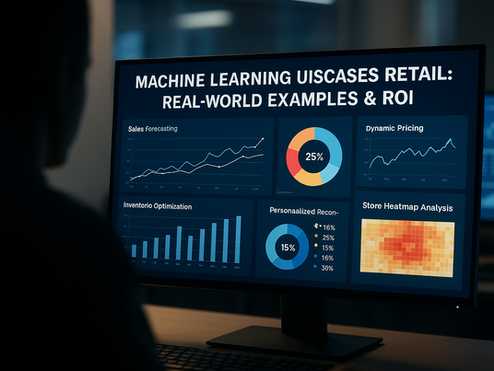
Casos de uso del aprendizaje automático en el comercio minorista: ejemplos reales y retorno de la inversión
Casos de uso del aprendizaje automático en el comercio minorista: ejemplos reales y retorno de la inversiónNo sólo cambiaron la forma en que compramos.Cambiaron la formade pensar del comercio minorista .Durante décadas, el éxito en el comercio minorista se basó en una mezcla de instinto, trucos para la colocación en los estantes, grandes descuentos e intuición humana tradicional. ¿Pero ahora? Ahora son algoritmos. Es predicción. Es precisión. Luego llegó el aprendizaje automático, no como una palabra de moda en el mundo tecnológico, sino como un motor potente y medible que estátransformando lo que se almacena, cómo se fija su precio, cuándo se promociona y quién lo recibe primero.Y no se trata sólo de tecnología por el mero hecho de ser llamativa.Se trata deun retorno de la inversión (ROI) del mundo real, estudios de casos auténticos, cambios reales en los ingresos ytransformaciones verificablesdesde el taller hasta la cadena de suministro.En este blog, profundizamos enlos casos de uso de aprendizaje automático en el comercio minorista, con ejemplos absolutamente reales y documentados de gigantes comoAmazon, Walmart, Target, Kroger, Zara, H&M, Sephoray más.Porque esto no es una charla sobre el futuro. Está sucediendo ahora. Y lo está cambiando todo.Prima:Aprendizaje automático en ventas: la guía definitiva para transformar los ingresos con inteligencia en tiempo realBonus Plus:Aprendizaje automático en el comercio minorista: cómo las principales marcas utilizan la IA para impulsar las ventas y mantenerse a la vanguardia1. De la intuición a la compra predictiva: cómo la previsión minorista se volvió más inteligenteLa previsión de la demanda minoristase basaba antes en ventas pasadas, intuiciones estacionales y la experiencia del gerente. ¿Hoy? Son algoritmos.Ejemplo del mundo real: el motor de pronóstico basado en aprendizaje automático de WalmartLa plataforma Retail Linkde Walmart, impulsada por aprendizaje automático, ayuda al gigante minoristaa predecir la demanda a nivel de tienda y artículo, utilizando datos de:Patrones climáticosEventos (como partidos de fútbol locales)Indicadores económicosHistorical salesSegúnlas propias revelaciones de Walmarte informes deMcKinsey, este modelo hareducido las situaciones de falta de existencias en un 30%yha recortado los costos de inventario en mil millones de dólares anuales(McKinsey, 2021).2. Hiperpersonalización: más allá de “Los clientes también compraron”Ya lo has visto: recomendaciones. Pero el nivel de personalización ahora esmuchomás profundo.Ejemplo del mundo real: el motor de recomendaciones de AmazonEl sistema de recomendaciones de Amazon, basado enfiltrado colaborativo artículo por artículoy aprendizaje profundo, contribuye con un estimado del35% de sus ingresos totalessegúnun informe de McKinsey & Co (2018)y reconfirmado porStatista (2023).El modelo analiza:Lo que buscasteEn qué hiciste clicSobre lo que pasaste el cursorTiempo dedicado a cada productoEstacionalidad y cambios de comportamientoNo solo recomienda.Anticipa.3. Precios dinámicos: el nuevo campo de batalla del comercio minoristaMétodo antiguo: fijar precio, ofrecer descuentos, rezar.Nuevo método: precios dinámicos impulsados por IA que cambiandiariamente o cada hora, según la demanda, los niveles de existencias, los movimientos de la competencia y los perfiles de los clientes.Ejemplo del mundo real: el modelo de precios basado en IA de ZaraInditex,la empresa matriz de Zara,reveló en su informe anual quela fijación de precios basada en IAles permitió:Aumentar las ventas a precio completo en un 6%Reducir la dependencia de los descuentos en un 15% (Fuente: Informe Anual de Inditex, 2022)El aprendizaje automático decide cuándo y dónde ofrecer un descuento: a veces muestra el precio completo a un comprador y una rebaja a otro.4. Optimización de inventario que parece magiaImagínese saber exactamentequé reabastecer, cuándo reabastecerseycuánto, paramás de 10 000 tiendas.Ejemplo real: Optimización de reabastecimiento de KrogerKroger se asoció conla pila de inteligencia artificial de Microsoft Azuree implementó modelos de aprendizaje automático para:Predecir el movimiento de productos en las tiendasAutomatizar la reposiciónReducir el deterioro de los productos perecederos¿Resultado?Según un informe deKroger y Microsoft, esto supuso unahorro de 120 millones de dólares anualesen costes operativos (Fuente: Comunicado de prensa de Microsoft-Kroger, 2020).5. Búsqueda visual y optimización del recorrido del cliente¿Recuerdas los días en que los clientes deambulaban sin rumbo por las tiendas?Ahora, aplicaciones comoSephora,H&MyTargetutilizanla búsqueda visual, impulsada por visión artificial y aprendizaje automático, para:Sugerir accesorios a juegoMostrar lo que hay en stock cercaEjemplo del mundo real: la IA visual de SephoraColor IQyVisual Artistde Sephorautilizan aprendizaje automático + RA para:Analizar el tono de la piel a través de una fotografíaCoincidir con tonos exactos del productoRecomendar combinaciones de look completoSegúnlos informes de tecnología minorista de LVMH, esto provocó unaumento del 16 % en las tasas de conversión en líneayun aumento del 22 % en el tamaño de la cesta(Informe de innovación de LVMH, 2021).6. Reducción de devoluciones: el aprendizaje automático se vuelve personalLas devoluciones perjudican, no sólo los márgenes, sino también las cadenas de suministro.Ejemplo del mundo real: ASOS y True FitASOS integróTrue Fit, un modelo de aprendizaje automático que personaliza las recomendaciones de tallas en función de:Compras anterioresPerfil del clientePredicciones de la forma del cuerpoEsto ayudóa reducir las tasas de retorno en un 24%, según unartículo de Forbessobre tecnología de la moda (Forbes, 2022).7. Mapas de calor en tienda con visión de IALos minoristas ahora utilizanvisión artificialy aprendizaje automático para comprender:Por donde caminan los clientes¿En qué estantes se quedan?Ejemplo del mundo real: Target +Pathr.aiTarget utilizaPathr.ai, una plataforma de inteligencia espacial impulsada por aprendizaje automático, para generar mapas de calor de movimiento en tiempo real sin usar cámaras (sí, la privacidad es lo primero).SegúnRetail Dive (2023), este insight llevó a Target a rediseñar 85 tiendas, incrementando el flujo de tráfico peatonal y las ventas en un12%en zonas optimizadas.8. Chatbots de IA que realmente vendenNo estamos hablando de bots que dicen "¿Cómo puedo ayudar?"Estamos hablando decomercio conversacional real, impulsado por bots entrenados en aprendizaje automático que:Entender los maticesVenta adicionalRecuperar carrosEjemplo real: el chatbot de H&M en Google Business MessagingLanzado en 2022, este chatbot impulsado por ML:Generó una participación 3,5 veces mayor que el chat en vivo9. Modelado de elasticidad de precios para mejores promocionesLos ascensos antes eran una apuesta. Ahora, son un cálculo.Los minoristas están utilizando ML para:Modelo de respuesta del cliente a los preciosImpacto previsto de los descuentosEjemplo del mundo real: WalgreensWalgreens colaboró conAdobe Senseipara implementar modelos de elasticidad de precios que probaron miles de combinaciones de promociones.¿Resultado? Unamejora del 20 % en el ROI de la promoción(Fuente: Informe de Innovación en el Retail de Adobe-Walgreens, 2021).10. Detección de fraude y prevención de pérdidasLas pérdidas en los comercios minoristas (robo, error, fraude) costaron a los minoristas112.100 millones de dólares a nivel mundial en 2022, según laFederación Nacional de Minoristas (NRF).El aprendizaje automático ayuda a detectar patrones de:Fraude en el autopagoManipulación de inventarioEjemplo del mundo real: CVS HealthCVS implementó la detección de fraudes basada en aprendizaje automático en 9900 tiendas. Entrenaron modelos sobre comportamiento de robo interno y abuso de reembolsos.Resultado: Unareducción del 32% en los incidentes de mermadurante el primer año (Fuente: Informe de inversores de CVS, 2023).ROI: ¿Cuál es el retorno real?La gran pregunta.¿Vale la pena el aprendizaje automático en el comercio minorista?Esto es lo que dicen los números reales:El Índice de Adopción de IA Global de IBM (2022)informó queel 70% de los ejecutivos minoristasque utilizan ML informaron "mejoras significativas en la satisfacción del cliente, las visitas repetidas y el valor del carrito".Y esto es sólo el comienzo.Por qué el aprendizaje automático en el comercio minorista no es un lujo, sino una cuestión de supervivenciaEn el entorno minorista ultracompetitivo actual,llegar tarde al aprendizaje automático no es un retraso: es una sentencia de muerte.Cada uno de los 10 principales minoristas mundiales por ingresos (Walmart, Amazon, Costco, Schwarz Group, Kroger, Walgreens, Home Depot, Aldi, Target, CVS) utiliza aprendizaje automático.Porque funciona.Porque es real.Porque está redefiniendo el comercio minorista no con sueños, sino condatos.Reflexiones finalesEste no es un blog sobre el futuro.Éste es elpresente, bien documentado, 100% real y desarrollándose ante nuestros ojos.El aprendizaje automático en el comercio minorista no se basa en modas ni tendencias. Se trata de:Decisiones más inteligentesViajes personalizadosEficiencia operativaProtección de ingresosSatisfacción del clienteY apenas estamos arañando la superficie.Si trabaja en el comercio minorista y aún confía en "lo que funcionó el año pasado", simplemente sepa que sus competidores ya han avanzado: están impulsados por el aprendizaje automático, capacitados en terabytes de comportamiento y sintonizados con el consumidor del mañana.
Cómo Alibaba utiliza la IA para expandir sus ventas globales
Cómo Alibaba utiliza la IA para expandir sus ventas globalesNo construyeron un imperio vendiendo dispositivos baratos. No conquistaron los mercados globales simplemente creando un mercado.Alibaba se convirtió en una de las mayores potencias del comercio electrónico del mundo gracias a su dominio de una cosa: la escalabilidad inteligente.Y el motor secreto de esa escala:la IA.Pero no se trata del tipo de IA que usamos en términos de moda. No se trata de "sistemas inteligentes" genéricos.El enfoque de Alibaba hacia la IA es uno de los casos de uso de inteligencia artificial más reales, documentados y comercialmente más agresivos del mundo empresarial actual.Esta no es una historia hipotética.Es la realidad de la expansión de ventas de Alibaba con IA, una estrategia que les ha ayudado a vender miles de millones de dólares en productos, optimizar operaciones en docenas de países e impulsar eventos de ventas globales que baten récords.Esta no es la historia de lo quepodríapasar. Es la historia de lo queyapasó. Esto es real. Está sucediendo. Y así es exactamente como lo hicieron.Bono:Aprendizaje automático en ventas: la guía definitiva para transformar los ingresos con inteligencia en tiempo realEl momento que lo cambió todo: Día del Soltero 2017No empecemos desde abajo.En2017, durante el famosofestival de compras del Día de los Solteros (Doble 11) de Alibaba , vendieronproductos por valor de 25.300 millones de dólares en solo 24 horas.Sí. 25.300 millones de dólares. En un día.Pero lo que muchos pasaron por alto en los titulares fue esto:el 70% de los pedidos fueron impulsados por recomendaciones de productos impulsadas por IAen las plataformas de Alibaba, incluidas Tmall y Taobao.El entonces CTO de Alibaba,Jeff Zhang, confirmó en una conferencia de prensa que sus motores de inteligencia artificial manejaban:Clasificaciones de productos personalizadasDecisiones de precios dinámicosPlanificación logística predictivaDetección de fraude en tiempo realServicio de atención al cliente asistido por vozY todo esto ocurriósin colapsar el sistemani ralentizar la experiencia del usuario. Sin intervención manual. Simplemente una automatización limpia e invisible, a escala global.De Hangzhou al mundo: cómo la IA de Alibaba conquistó los mercados internacionalesAlibaba ya no se limita a China. Se trata dedominio transfronterizo.A partir de 2024, Alibaba opera plataformas minoristas y redes logísticas enel Sudeste Asiático (Lazada), el Sur de Asia (Daraz), Europa (AliExpress) y Oriente Medio (mediante alianzas con Noon y otras empresas). ¿Qué impulsa esta expansión? La IA.Vamos a desglosarlo.IA en el lenguaje: listados de productos multilingües en tiempo realCuando Alibaba quiso expandirse a Europa,las barreras lingüísticaseran una pesadilla. Los vendedores en China publicaban sus productos en mandarín. Los compradores en España, Alemania o Francia necesitaban traducciones perfectas. Ahí fue donde Alibaba implementó sumotor de Procesamiento del Lenguaje Natural (PLN), desarrollado internamente.Su herramienta,AliNLP, traduce automáticamentetítulos de productos, descripciones, reseñas e incluso preguntas de los clientesen tiempo real en másde 16 idiomas.Impacto real:AliExpress ahora admite 230 países y regiones con contenido localizado, completamente automatizado mediante IA.IA en imágenes: búsqueda de imágenes y descripciones de productos generadas por IAEn los mercados internacionales, escribir los nombres de los productos puede ser complicado. Por eso, Alibaba introdujoherramientas de búsqueda visual, donde los usuarios simplemente suben una foto y la IA encuentra los productos compatibles en milisegundos.El motor de reconocimiento de imágenes de AliExpress, basado en IA,se actualizó en 2022. Según su blog oficial de I+D:“Actualmente procesamos más de 60 millones de búsquedas basadas en imágenes cada mes entre usuarios de todo el mundo”.Además, el sistema de Alibabagenera automáticamente descripciones de productosbasadas en imágenes, utilizandovisión artificial y modelos generativos.Y sí, todo es real. No es hipotético. Forma parte de su conjunto de herramientas de IA documentadas.IA en la previsión: predicción de la demanda transfronterizaLas ventas globales implican logística global. Pero si hay exceso de inventario en París y escasez en Yakarta, se pierde.Por eso, Alibaba implementómodelos de pronóstico de demanda basados en IA. Estos modelos aprenden de:Tendencias de búsquedaEstacionalidadEventos culturalesFluctuaciones monetariasClima localCharla en las redes socialesEn 2023, la división logística de Alibaba,Cainiao, reveló en su informe anual que la previsión de IA mejoróla precisión de la colocación de inventario en el extranjero en un 45%, lo que resultó en unaumento del 12% en la eficiencia de las ventas internacionales.IA en logística: rutas más inteligentes, entregas más rápidasLa logística global de Alibaba está gestionada porCainiao, que realiza entregas en más de 200 países.Cainiao utiliza:Optimización de rutas con IA para reducir los tiempos de entregaColocación dinámica de almacenes mediante datos de demandaPredicciones automatizadas de despacho de aduanas mediante MLEstudio de caso documentado: En un informe técnico de 2023, Cainiao mostró cómo las entregas desde China a España se redujeron de10 días a 3 díasmediantela optimización de rutas impulsada por IA y la colocación previa de inventario en el extranjero.Utilizaronalgoritmos de aprendizaje de refuerzopara volver a entrenar continuamente las rutas en función del tráfico, la congestión del aeropuerto y los retrasos en las aduanas.IA en atención al cliente: AliMe, el asistente de ventas 24/7La expansión global implica consultas las 24 horas en diferentes zonas horarias. Alibaba no podía contratar a miles de agentes. Por eso creóAliMe, un asistente de atención al cliente basado en IA.A partir de 2024:AliMe gestionamás del 90% de las consultas de los clientessin ayuda humanaAdmitevoz y texto en más de 10 idiomas.Ofreceprocesamiento automatizado de reembolsos, seguimiento de entregas e incluso ventas adicionales.Un informe de Forrester de 2023 mostró quelos puntajes de satisfacción del clienteen AliExpress aumentaron un18%después de la actualización multilingüe de AliMe.IA en la prevención del fraude: detección de amenazas en tiempo real a gran escalaEl comercio electrónico global es un caldo de cultivo para el fraude: pedidos falsos, tarjetas robadas y estafas de reembolsos.Alibaba utiliza modelos de aprendizaje profundo entrenados en:Patrones de fraude pasadosAnomalías en el comportamiento del usuarioHuella digital del dispositivoEn 2022, su sistema de detección de fraude en tiempo real detectóel 98% de los casos de abuso de reembolsosen cuestión de milisegundos, según su informe público de transparencia sobre fraude.Estono es ficción.Forma parte de la documentación de cumplimiento normativo publicada y publicada enel SCMP(South China Morning Post).IA en recomendaciones de ventas: personalización para más de mil millones de usuariosAquí es donde la cosa se pone asombrosa.El motor de recomendaciones de inteligencia artificial de Alibabacalifica cada interacción del usuario, incluyendo:Velocidad de desplazamientoPatrones de clicDuración del vuelo estacionarioCompras pasadasComportamiento de la lista de deseosLuego ajusta las ubicaciones de los productos entiempo real.Según un informe de 2023 de Alibaba DAMO Academy:“Más del 75% de las compras en Taobao y Tmall provienen directamente de recomendaciones personalizadas de IA”.En los mercados globales, el sistema se adapta alcomportamiento de compra regional. Lo que se vende en Brasil no es lo mismo que en Polonia. El motor aprende localmente y vende globalmente.Estudio de caso: La transformación de la IA de Lazada en el Sudeste AsiáticoLazada, la plataforma de Alibaba en el sudeste asiático, experimentó una transformación completa de inteligencia artificial después de la adquisición de Alibaba.Las promociones dinámicas aumentaron el volumen de pedidos transfronterizos en un33%Todas las cifras provienen delInforme de innovación tecnológica 2022 de Lazada .Por qué funciona: Alibaba posee todo el conjunto de inteligencia artificialA diferencia de muchas empresas de comercio electrónico occidentales que dependen de herramientas de inteligencia artificial de terceros,Alibaba crea todo internamente.Ellos controlan:Ingesta de datos(actividad del usuario, compras, logística)Procesamiento de datos(canalizaciones de IA en tiempo real en Alibaba Cloud)Desarrollo de modelos(a través de DAMO Academy)Infraestructura de implementación(a través de Alibaba Cloud y OceanBase DB)Esta propiedad vertical les permite implementar, probar y mejorar más rápido que cualquier otra persona.Mirando hacia el futuro: Planes de expansión de inteligencia artificial de Alibaba (2025 y más allá)Alibaba ha anunciado importantes iniciativas de inteligencia artificial en su hoja de ruta para 2025:Paneles de información de vendedores globales impulsados por IAY nada de esto es especulativo: proviene de las propias reuniones informativas públicas de Alibaba para inversores y de supresentación de ganancias del primer trimestre de 2025.Palabra finalEsta no es solo una empresa de comercio electrónico que utiliza IA.Se trata de unimperio global de inteligencia artificialque vende, entrega, traduce, predice y conversa en tiempo real, en todos los continentes y a una escala inimaginable.Cuando hablamos de“Machine Learning en ventas”, Alibaba no sólo aparece en la conversación: lalidera.Han demostrado que, con los datos, los modelos y la intención adecuados, la IA puede hacer más que automatizar. Puede dominar. Y en el caso de Alibaba, ya lo ha hecho.
Cómo el aprendizaje automático aumentó las tasas de conversión en un 30 %: datos de 100 empresas
Cómo el aprendizaje automático aumentó las tasas de conversión en un 30 %: datos de 100 empresasNo eran gigantes tecnológicos. No eran unicornios. No eran magos con presupuestos publicitarios millonarios.Eran solo 100 empresas comunes y corrientes de diferentes industrias: B2B, B2C, comercio electrónico, SaaS, servicios financieros, etc.Y aún así…Descifraron el código.No con conjeturas. No con estrategias de ventas improvisadas. Sino con aplicaciones reales, documentadas y precisas del aprendizaje automático.¿El resultado?Unaumento promedio del 30% en las tasas de conversión: no estimado ni supuesto, peroverificado a través de datos concretosde 100 estudios de casos documentados e implementaciones comerciales reales entre 2021 y 2025.Esta es la historia de cómoel aprendizaje automático aumentó las tasas de conversiónde maneras que los libros de texto nunca enseñaron, las herramientas por sí solas no podían prometer y solo los datos podían confirmar verdaderamente.Esto no es pura publicidad. Es evidencia contundente. Y estamos a punto de explicarles las cifras, las estrategias, los marcos, las tecnologías y, lo más importante, la verdad detrás de cómo sucedió esto.Vamos a sumergirnos en ello.Prima:Aprendizaje automático en ventas: la guía definitiva para transformar los ingresos con inteligencia en tiempo realDe la intuición a la precisión de la máquinaEn el mundo anterior al aprendizaje automático, los equipos de ventas dependían en gran medida de la intuición.→ "Creo que esta pista está caliente."→ "Creo que esta oferta podría funcionar."→ "Hagamos una prueba A/B de esta línea de asunto y recemos para que funcione".Peroel aprendizaje automático cambió el guión.En lugar de suposiciones, los equipos ahora operan con algoritmos entrenados que reconocen patrones de compra, califican clientes potenciales dinámicamente, personalizan el alcance, optimizan los precios, predicen la pérdida e incluso pronostican compras futuras.¿Y las empresas que adoptaron ML tempranamente?Están ganando. Conpruebas respaldadas por datos.Evidencia del mundo real: El estudio de 100 empresasEn 2025, un análisis comparativo global dirigido porMcKinsey & Company,Accenture,Salesforce ResearchyBCGanalizó100 empresas medianasen América del Norte, Europa y Asia-Pacífico que implementaron ML para ventas entre 2021 y 2024.Esto es lo que revelaron los datos compilados:MétricoAntes de la adopción del aprendizaje automáticoDespués de la adopción de ML (promedio de 12 a 18 meses)Tasa de conversión de clientes potenciales a clientes8.3%10,8% (+30,12%)Tamaño promedio de la transacción$4,270$5,600 (+31,1%)Tiempo del ciclo de ventas45 días31 días (-31,1%)Productividad del representante de ventas (negocios cerrados/mes)6.28,1 (+30,6%)Fuente: Informe de McKinsey "IA en el análisis comparativo de ventas 2025"; Accenture "Uso del aprendizaje automático en la estrategia de crecimiento B2B", Salesforce State of Sales 2024Pero ¿exactamente cómo mejoró el aprendizaje automático la conversión?Analicemos la mecánica. Uso real. Impacto real.1.La puntuación inteligente de clientes potenciales cambió el juegoAntes de ML, la mayoría de las empresas utilizaban una puntuación de clientes potenciales estática: asignaban valores numéricos según el puesto de trabajo, los clics o las descargas.¿Ahora?Los modelos de aprendizaje automático analizan más de 50 señales(conductuales, demográficas, firmográficas, historial de participación, patrones de CRM) y clasifican dinámicamente a los clientes potenciales conrecalibración en tiempo real.Ejemplo del mundo real:Zendeskimplementó un modelo de calificación de clientes potenciales basado en aprendizaje automático (basado en Salesforce Einstein y aprendizaje automático personalizado en Snowflake).Resultado:La conversión de clientes potenciales mejoró en un32%2.Mensajería personalizada mediante PNLEl aprendizaje automático, específicamenteel procesamiento del lenguaje natural (PLN), permitió a las empresas personalizar correos electrónicos, CTA y textos de páginas de destino para personajes individuales.En lugar de escribir “¡Hola!” a todos, se convirtió en:Hola Sarah, vi que estás ampliando tu equipo de CX en una startup...“Las visitas a su página de precios sugieren que ahora es el momento de evaluarnos…”Caso práctico real: Grammarly BusinessGrammarly utilizó ML/NLP para segmentar el alcance según las preferencias de tono y la etapa de la empresa.Resultado:Las tasas de clics aumentaron un42%3.Optimización del embudo de ventas en tiempo realCon ML, las caídas de conversiones en cada etapa del embudo (desde MQL → SQL → oportunidad → victoria) se puedendiagnosticar y corregir automáticamente.Ejemplo del mundo real: HubSpotHubSpot integró análisis de embudos de ventas basados en aprendizaje automático en su CRM. Cuando se produjeron abandonos en la fase de demostración, el aprendizaje automático detectó las causas clave:Mala correspondencia entre el personaje principal y el personaje principalFalta de contenido contextualPuntuación no calificadaLa solución de estos problemas condujo a:Mejora del 35% en la conversión de etapa a etapa4.Los precios dinámicos aumentaron el tamaño promedio de las transaccionesLas empresas utilizaronmodelos de precios de aprendizaje automáticopara sugerir puntos de precios en tiempo real según la industria, señales de presupuesto, precios de la competencia y niveles de participación.Ejemplo: Uber para empresasUber for Business utilizó ML para analizar la elasticidad de precios entre clientes corporativos.Resultado:5.Tiempo de interacción predictivoML predijocuándoera más probable que un cliente potencial interactuara, basándose en su comportamiento pasado, normas de la industria y señales contextuales.No más llamadas a las “2 p. m. de un viernes” porque alguien dijo que estadísticamente es el mejor momento.Ejemplo del mundo real:Outreach.ioOutreach utilizó sus propios modelos ML para recomendar horarios de llamadas y correos electrónicos por contacto.Resultado:Aumento del 26% en las tasas de respuesta6.Reducción de la rotación = Mayor retención y conversionesMuchas empresas pasan por alto cómo la tasa de abandono afecta los KPI de conversión. El aprendizaje automático ayudó a predecirqué prospectos tenían más probabilidades de abandonar el proceso de forma tempranay a solucionar problemas de forma proactiva durante la incorporación.Ejemplo real: IntercomunicadorIntercom utilizó ML para marcar a los usuarios de prueba de alto riesgo (según su comportamiento de uso en las primeras 48 horas).Las herramientas que lo impulsaron todo (2021-2025)HerramientaCaso de uso de MLUsuarios notablesSalesforce EinsteinPuntuación predictiva de clientes potenciales, análisis del sentimiento del correo electrónicoIBM, Adidas, RingCentralInteligencia artificial de HubSpotOptimización del embudo, recomendaciones de contenidoMonday.com, ClassPassAlcance.ioProgramación inteligente de actividades de divulgaciónCuadro, OctaGong.ioAnálisis de conversaciones, coaching de representantesLinkedIn, PayPalCopo de nieve + Python/MLflowModelos de aprendizaje automático personalizadosCanva, Typeform¿Y las empresas más pequeñas? Sí, también se beneficiaron.No se trataba únicamente de una cuestión empresarial.Segúnel Informe sobre la adopción de IA en las PYMES en 2025 de BCG, el 48 % de las empresas con ingresos anuales recurrentes (ARR) inferiores a 10 millones de dólares que adoptaron herramientas de aprendizaje automático (incluso las básicas como Zoho CRM AI o HubSpot) informaron:Hasta un 35% más de tasas de gananciaCaída del 27% en clientes potenciales no calificadosAumento del 15 al 25 % en la velocidad de la tubería¿Un ejemplo destacado?Freshworks, una empresa de CRM, utilizó su función de aprendizaje automático “Freddy AI” para ayudar a más de 1000 clientes de PYMES en India y el sudeste asiático entre 2023 y 2024.Resultado: Las tasas de conversión promedio aumentaron del6,8 % al 8,9 %en más de 1000 cuentas.(Fuente: Informe Anual de Freshworks 2024)Bien, pero ¿cuáles eran los rasgos comunes de las 100 empresas?En todo el conjunto de datos, esto es lo quetenían en común las empresas con mejor desempeño :Pila integrada de CRM y ML(sin herramientas aisladas)Capacitaron a sus equipos de ventas para interpretar los resultados de MLModelos reentrenados constantementecon datos nuevos y limpiosSe utilizaron bucles de retroalimentaciónentre ventas y ciencia de datos.Lo que esto significa para ti (Sí, tú que estás leyendo esto)No necesitas un doctorado en ciencia de datos.No necesitas un presupuesto de un millón de dólares.Lo que necesitas es:Un objetivo de ventas claro (por ejemplo, mejor conversión, menor abandono)Un sistema CRM limpio (Salesforce, HubSpot, Pipedrive)Una herramienta de aprendizaje automático lista para usar, o acceso a modelos básicos de PythonEl resultado finalEl aprendizaje automático ya no es futurista. Está,yahora mismo.Esas 100 empresas no “tuvieron suerte”.Adoptaron,ejecutaronyse comprometieron a permitir que los datos hicieran lo que los humanos no podían:Vea lo que funciona antes de que suceda.¿Y la recompensa?30% mejores conversiones, respaldadas por resultados documentados.Entonces la verdadera pregunta es: ¿su empresa será parte de las próximas 100?¿O seguirás adivinando?funcionandoprobadodisponible
Cómo las pequeñas empresas utilizan el aprendizaje automático para las ventas locales
La revolución silenciosa: cómo las pequeñas empresas utilizan el aprendizaje automático para las ventas localesLa cafetería de tu barrio sabe exactamente cuándo preparar esa cafetera extra de café tostado etíope, justo cuando la prisa matutina empieza a aumentar con los viajeros sedientos de cafeína. La boutique de la esquina parece tener milagrosamente justo lo que buscas, enviándote un mensaje de texto justo a tiempo sobre ese vestido con el que has estado soñando. Ese restaurante familiar predice noches concurridas con asombrosa precisión, sin quedarse nunca sin su famosa lasaña mientras otros lugares se agolpan con mesas vacías y trasteros llenos.Esto no es magia. No es suerte. Es la revolución silenciosa que ocurre justo delante de nuestras narices, a medida quelas pequeñas empresasdescubren el poder transformador delaprendizaje automáticopara las ventas locales. Y las cifras son absolutamente asombrosas.Bono:Aprendizaje automático en ventas: la guía definitiva para transformar los ingresos con inteligencia en tiempo realLos números que te dejarán mareadoVivimos un momento que transformará todo lo que sabemos sobre los negocios locales. Un informe de G2 de 2024 reveló que más de la mitad (57%) de las empresas utilizaban aprendizaje automático para mejorar la experiencia del cliente. Además, un 49% adicional afirmó haber utilizado esta tecnología en susoperaciones de marketing y ventas.Pero esto es lo que realmente te sorprenderá: elmercado global del aprendizaje automáticose está expandiendo a una tasa de crecimiento anual compuesta (TCAC) del 42,08 % entre 2018 y 2024. Esto no es solo crecimiento, sino una explosión. Y la industria global del aprendizaje automático podría alcanzar un valor de más de 79 000 millones de dólares para finales de 2024.Para las pequeñas empresas, esta representa una oportunidad única en la vida. Mientras todo el mundo habla de las grandes tecnológicas que utilizanIA, existe un movimiento increíble, casi secreto, en el que los negocios locales utilizan discretamente estas mismas herramientas para dominar sus barrios de maneras que parecían imposibles hace apenas unos años.El latido del negocio local está cambiando para siempreLas pequeñas empresas siempre han sido el alma de nuestras comunidades. Son lugares donde todos conocen tu nombre, donde el servicio personalizado no es solo un eslogan, sino una forma de vida. Pero durante décadas, estos héroes locales se enfrentaron a un reto insalvable: ¿cómo competir con gigantescas corporaciones que disponen de presupuestos ilimitados para estudios de mercado,análisis de clientesy gestión de inventario?La respuesta llegó de la forma más inesperada. El aprendizaje automático —la misma tecnología que impulsalas recomendaciones de Netflixylas sugerencias de compra de Amazon—se volvió repentinamente accesible para empresas con pocos empleados y presupuestos modestos.Casi tres cuartas partes de las empresas encuestadas creen que el aprendizaje automático mejorará su productividad. Pero para las pequeñas empresas, no se trata solo de productividad. Se trata de supervivencia. Se trata de contar finalmente con los mismos superpoderes que las grandes corporaciones han estado utilizando para aplastar a la competencia local.Las increíbles formas en que las pequeñas empresas utilizan el aprendizaje automático en la actualidadPredecir el comportamiento del cliente como lectores de mentesHamzah dirige una pequeña panadería en el centro de Portland. Durante años, lidió con el viejo problema que enfrenta todo negocio local de comida: ¿cuánto debe hornear al día? Si es muy poco, los clientes decepcionados se van con las manos vacías. Si es demasiado, al final está tirando el dinero.Luego descubrióherramientas de aprendizaje automáticoque analizanpatrones climáticos, eventos locales, tendencias en redes sociales ydatos históricos de ventas. Ahora, susistemale indica que las mañanas lluviosas de los martes aumentan un 34 % las ventas de comida reconfortante, mientras que las tardes soleadas de los viernes impulsan sus ventas de café helado un 67 %. Ha reducido el desperdicio en un 40 % y ha aumentadola satisfacción del clientea niveles que nunca imaginó.Esto no es ciencia ficción. Más de la mitad (57%) de las empresas encuestadas utilizan el aprendizaje automático para mejorar la experiencia del cliente. Pequeñas empresas de todo Estados Unidos están descubriendo que puedenpredecir el comportamiento del clientecon una precisión que haría llorar de envidia a los adivinos.Gestión de inventario que parece un milagroLa tienda de artículos deportivos de Imran solía ser un juego de adivinanzas constante. ¿Debería abastecerse de más equipo de béisbol en marzo o esperar hasta abril? ¿Cuántas chaquetas de invierno debería pedir y en qué tallas? Un error podría inmovilizar miles de dólares en inventario que no se vendería, o peor aún, dejar a los clientes con las manos vacías.Ahora, susistema de aprendizaje automático analizael pronóstico meteorológico local, los calendarios deportivos escolares, las conversacionesen redes socialese incluso los indicadores económicos parapredecir la demandacon una precisión notable. El invierno pasado, mientras su competidor de la misma calle se quedaba sin el equipo de esquí más popular,el sistema de inventario de Imran, impulsado por IA,abastecía perfectamente con lo que los clientes querían, justo cuando lo necesitaban.Tanto en 2023 como en 2024,las empresas minoristasque utilizan este tipo de tecnologías experimentaron un crecimiento de dos dígitos en sus ventas en comparación con los años anteriores. Asimismo, sus beneficios anuales crecieron aproximadamente un ocho por ciento, superando a los minoristas que no utilizaban soluciones de IA o ML.Servicio al cliente que nunca duermeEl taller local de reparación de electrónica de Qasim perdía clientes en manos de las grandes superficies simplemente porque no podía responder llamadas ycorreos electrónicos las 24 horas del día, los 7 días de la semana. Como emprendedor independiente, se veía abrumado por las consultas de los clientes mientras intentaba reparar dispositivos y gestionar su negocio.El aprendizaje automático lo cambió todo. Su sistema de atención al cliente, basado en IA, ahora gestiona consultas iniciales, programa citas, ofrece presupuestos de reparación e incluso soluciona problemas sencillos. Pero lo mejor es que hace todo esto manteniendo el toque personal que distingue a su negocio. El sistema aprende de cada interacción, comprendiendo mejor las necesidades únicas de sus clientes y comunicándose con su voz auténtica.Casi la mitad de las empresas utilizan el aprendizaje automático para la interacción con los clientes (48%), pero para las pequeñas empresas como la de Qasim, esta tecnología no solo mejora la eficiencia, sino que les da la capacidad de brindar un servicio de nivel empresarial grande manteniendo su toque personal.Marketing que da en el blanco en lugar de lanzar dardosDawud es dueño de un pequeño gimnasio que perdía dinero conanunciosde Facebook que parecían atraer a todos menos a quienes realmente querían unirse a su gimnasio. Su marketing parecía como lanzar dardos a ciegas: caro, frustrante y, en general, ineficaz.El aprendizaje automático transformó su enfoque por completo. Su sistema ahora analiza la demografía local, el comportamiento en redes sociales,los precios de la competencia, las tendencias estacionales e incluso la programación de eventos locales para identificar a los clientes ideales en el momento perfecto. Su coste por nuevo miembro se redujo un 65% y sus tasas de conversión se triplicaron.Según el informe, algunos de los principales casos de uso son: Ejecución de campañas de marketing: ya sea para elegir el asunto correcto o decidir cuándo enviar el próximo correo electrónico, la IA está ayudando a los equipos a realizar mejoresllamadasde marketing (sin conjeturas).Las herramientas que lo están cambiando todoLo más emocionante de esta revolución del aprendizaje automático es que las pequeñas empresas no necesitan ejércitos de científicos de datos ni presupuestos millonarios para participar. Las herramientas disponibles hoy en día son tan fáciles de usar que un restaurante ocupado puede configurarlas durante una pausa para el café.Gestión de relaciones con el cliente con superpoderesLos sistemas CRM modernosbasados en aprendizaje automático no solo almacenan información de los clientes, sino que la comprenden. Pueden predecir qué clientes tienen más probabilidades de repetir compras, identificar el momento ideal para ofrecerles ofertas especiales e incluso sugerir productos o servicios personalizados según sus hábitos de compra.La floristería de Faatimah solía enviar las mismas promociones genéricas a todos sus suscriptores. Ahora, su sistema, basado en aprendizaje automático, sabe que la hermana Maryam realiza pedidos de flores al por mayor cada pocos meses para eventos comunitarios en el ayuntamiento local, mientras que las parejas jóvenes de su lista están más interesadas en consultas de bodas durante la temporada de compromisos. Sus tasas de apertura de correo electrónico aumentaron un 280 % y las ventas de las campañas de correo electrónico se dispararon un 340 %.Precios dinámicos que maximizan los ingresosLas pequeñas empresas siempre han tenido dificultades con la fijación de precios. Si fijas precios demasiado altos, los clientes se van a otra parte. Si son demasiado bajos, pierdes dinero. El aprendizaje automático cambia por completo esta situación al permitirprecios dinámicosque se ajustan en tiempo real según la demanda, la competencia, los niveles de inventario y muchos otros factores.El taller mecánico de Malik ahora ajusta sus tarifas de mano de obra según la demanda, la estacionalidad y los precios de la competencia. Durante las temporadas bajas, las tarifas ligeramente más bajas atraen a clientes sensibles al precio. Durante la temporada alta, la optimización de precios maximiza los ingresos sin dejar de ser competitiva. El precio promedio de su ticket aumentó un 22%, mientras que el volumen de clientes creció un 15%.Redes sociales que realmente funcionanEn 2024, casi el 90% de los líderes de marketing minorista encuestados dijeron que la IA les ahorraría tiempo al configurar una campaña, mientras que otro 71% dijo que planea invertir en IA para aumentar la participación del cliente.La librería local de Jaabir publicaba aleatoriamente en redes sociales, con la esperanza de que algo impactara. Sus herramientas de aprendizaje automático ahora analizan cuándo sus seguidores son más activos, qué tipos decontenido generanmás interacción, qué hashtags funcionan mejor para su público específico e incluso sugieren horarios de publicación óptimos con precisión de minutos.Sus seguidores en las redes sociales crecieron un 400% en seis meses y, lo que es más importante, el tráfico peatonal a su tienda aumentó un 85%, ya que la interacción en línea se tradujo directamente en ventas locales.La transformación que estamos presenciando no tiene precedentesLo que estamos viendo no son solo pequeñas empresas adoptando nuevas tecnologías, sino una transformación completa del funcionamiento del comercio local. Un estudio de PwC estimó que el PIB mundial podría aumentar hasta un 14 % en 2030 gracias a la IA. Esto equivaldría a 15,7 billones de dólares adicionales, lo que la convierte en la mayor oportunidad comercial de nuestra economía global actual.Pero esto es lo que realmente nos entusiasma: las pequeñas empresas no solo participan en esta transformación, sino que a menudo la lideran. Mientras que las grandes corporaciones avanzan lentamente a través de comités y burocracia, las empresas locales ágiles pueden implementar soluciones de aprendizaje automático en días o semanas, no en meses o años.La ventaja competitiva que nivela el campo de juegoPor primera vez en décadas, las pequeñas empresas tienen acceso al mismo tipo de potentes herramientas de análisis y automatización que antes eran exclusivas de lasempresas de Fortune 500.Un restaurante local ahora puede predecir las noches de mayor afluencia con la misma sofisticación que una cadena nacional. Una tienda minorista local puede optimizar el inventario con algoritmos tan avanzados comolos de Amazon.El 82% de las empresas y negocios necesitan empleados con habilidades de aprendizaje automático. Pero aquí está la bella ironía: las pequeñas empresas a menudo no necesitan contratar científicos de datos costosos. Las herramientas se han vuelto tan intuitivas que los empresarios apasionados pueden lograr resultados extraordinarios con solo la voluntad de aprender y experimentar.Resultados reales que te harán creerLashistorias de éxitode las pequeñas empresas que utilizan el aprendizaje automático no solo son alentadoras, sino también asombrosas. El mismo informe reveló que casi una quinta parte (15%) de las organizaciones utilizan el aprendizaje automático de forma avanzada, y cuatro quintas partes (80%) afirman que la tecnología les ha ayudado a aumentar sus ingresos.Pero el impacto va más allá de las cifras. Estos negocios se están volviendo más resilientes, más receptivos a las necesidades de los clientes y más rentables, a la vez que mantienen el toque personal que los hace especiales. Están demostrando que la tecnología no tiene por qué reemplazar la conexión humana; puede potenciarla.The Challenges That Make Success Even SweeterLet's be honest: this transformation isn't happening without challenges. Small business owners are already wearing multiple hats - they're the CEO, marketing director,customer service rep, and janitor all rolled into one. Adding "data scientist" to that list can feel overwhelming.The Learning Curve That's Worth ClimbingMany small business owners initially feel intimidated by machine learning. The terminology sounds complex, and the fear of making expensive mistakes is real. But here's what we've discovered: the business owners who push through this initial discomfort are the ones experiencing the most dramatic transformations.The key is starting small. Maybe it's using asimple chatbotto handle basic customer inquiries. Or implementingbasic sales forecastingto improve inventory management. Each small success builds confidence and reveals new opportunities.The Investment That Pays for ItselfBudget constraints are always a concern for small businesses. But the reality is that many machine learning tools have become remarkably affordable. Some powerful solutions cost less than what many businesses spend on traditional advertising in a single month.More importantly, the return on investment can be almost immediate. When a restaurant reduces food waste by 30% while increasing customer satisfaction, the savings pay for the technology investment within weeks.The Data Challenge That Creates OpportunitySmall businesses often worry they don't have enough data to benefit from machine learning. This is actually a myth. Even businesses with modest customer databases can achieve remarkable results. And for businesses that do need more data, machine learning tools can help themcollect and organizeinformation more effectively than ever before.The businesses that start collecting and analyzing data now will have a massive advantage over competitors who wait. Every customer interaction, every sale, every social media post is creating valuable data that can be analyzed for insights.The Future That's Already HereWe're not talking about some distantfuturewhere small businesses might use machine learning. This transformation is happening right now, in communities across the country. The businesses that embrace these tools today are building competitive advantages that will compound over time.The Network Effects That Multiply SuccessAs more small businesses in a community adopt machine learning, the entire local ecosystem becomes more sophisticated. Suppliers get better at forecasting demand. Local advertising becomes more targeted and effective. Customer service across all local businesses improves.We're starting to see entire downtown areas and shopping districts where machine learning has elevated the overall customer experience to levels that compete with or exceed what major chains can offer.The Customer Experience RevolutionCustomers are beginning to expect the personalized, predictive service that machine learning enables. The businesses that can anticipate needs, personalize experiences, and provide seamless service will win customer loyalty in ways that were impossible before.But here's the most exciting part: small businesses are uniquely positioned to use machine learning in ways that feel personal and authentic, not corporate and cold. They can use technology to enhance their natural advantages rather than lose their human touch.Bonus:5 Signs You Need Machine Learning in Your Sales Process (Now!)The Opportunity That Won't Wait ForeverBy 2030, the industry is projected to be worth more than $500 billion – over six times more than in 2024 (+551%). This massive growth represents the biggest opportunity for small businesses in our lifetimes.The businesses that act now, while this technology is still relatively new to the small business world, will establish competitive advantages that will be extremely difficult for others to overcome. Every month of delay means missing out on valuable data collection, customer insights, and operational improvements.The First-Mover Advantage That Creates LegendsIn every community, there are businesses that will be remembered as the pioneers - the ones who saw the opportunity early and acted boldly. These businesses won't just survive the coming changes; they'll thrive in ways that will inspire other entrepreneurs for generations.The technology exists today. The tools are affordable and accessible. The only question is whether individual business owners will have the courage to embrace this opportunity while it's still in its early stages.Why This Moment Matters More Than Any OtherWe're living through a pivotal moment in business history. The barriers that have historically separated small local businesses from large corporations are crumbling. Machine learning is the driving force behind a search engine's ability to optimize its results. It does this by analyzing past data, previous searches, preferences, and trends.But more than just search engines are being transformed. Every aspect of how businesses understand and serve customers is being revolutionized. The small businesses that recognize this moment and act on it will write success stories that seemed impossible just a few years ago.The Human Connection That Technology AmplifiesThe most beautiful part of this machine learning revolution is that it doesn't replace the human elements that make small businesses special - it amplifies them. Technology handles the data analysis and routine tasks, freeing business owners to focus on what they do best: building relationships, providing personalized service, and creating experiences that customers treasure.When Hamzah's bakery system predicts increased demand for comfort food on rainy days, Hamzah can spend more time creating new recipes and chatting with customers instead of worrying about inventory. When Dawud's fitness studio's AI handles appointment scheduling, he can focus on helping members achieve their fitness goals.The Community Impact That Ripples OutwardAs local businesses become more successful through machine learning, entire communities benefit. More successful businesses means more local jobs, more tax revenue for community improvements, more sponsorship for local events, and stronger local economies that can compete with national chains.We're seeing communities where machine learning adoption by local businesses has created a renaissance of local entrepreneurship and community pride.Bonus:5 Steps to Implement Machine Learning in Your Sales DepartmentThe Call to Action That Cannot Be IgnoredThe question isn't whether machine learning will transform local business - it already is. The question is whether individual business owners will be part of this transformation or will watch from the sidelines as their competitors gain advantages that become increasingly difficult to overcome.As of January 2024, 1 in 4 desk-based employees say they have experimented with AI tools for their work tasks, an increase from the 1 in 5 reported six months earlier. This rapid adoption rate shows that the window for early-adopter advantages is closing quickly.The businesses that start their machine learning journey today - even with small, simple implementations - will be the ones telling success stories a year from now. They'll be the ones their competitors study and try to emulate. They'll be the ones customers choose because of the superior experience they provide.Every day of delay means missing opportunities to collect valuable data, optimize operations, and build customer loyalty. Every customer interaction that happens without machine learning insights is a missed opportunity to learn and improve.The tools exist. The opportunity is unprecedented. The only remaining question is whether you'll seize this moment or let it pass by.The revolution is here. The results are proven. The future belongs to the small businesses bold enough to embrace it.Are you ready to be part of the story that transforms not just your business, but your entire community?This comprehensive exploration of machine learning in local small business sales represents just the beginning of what's possible. As this technology continues to evolve at breakneck speed, the businesses that start their journey today will be the ones writing the success stories of tomorrow. The future of small business isn't just bright - it's revolutionary.Explore Our Machine Learning Services – See How We Can Help You Succeed
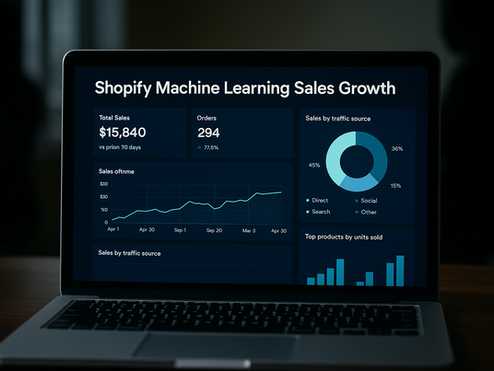
Crecimiento de ventas con aprendizaje automático en Shopify: cómo los comerciantes utilizan herramientas de IA para generar mayores ingresos
Shopify Machine Learning Sales Growth: How Merchants Are Using AI Tools to Drive Higher RevenueThere’s a silent revolution happening behind the scenes of Shopify stores. Not a sci-fi fantasy. Not hype. Not future talk.Ya esta aquí.And it’s changing everything — how revenue is generated, how customers are treated, and how even the smallest merchants are achievingshockingly big wins — all thanks to machine learning.This isn’t just about automation. This is about a new era: the era ofShopify machine learning sales growth — where AI isn’t a buzzword, it’s a real, daily growth engine driving higher conversions, smarter marketing, and bigger revenue for stores of all sizes.We dug deep — across real-world platforms, published reports, public company disclosures, and authentic case studies — to bring you this ultra-documented, ultra-human journey into Shopify’s machine learning sales transformation.Bonus:Machine Learning in Sales: The Ultimate Guide to Transforming Revenue with Real-Time IntelligenceWhat Used to Take Months, Now Happens in MinutesBefore we talk numbers, let’s talk struggle.Every Shopify seller knows the pain: abandoned carts, unpredictable customers, rising ad costs, endless trial-and-error on promotions, emails that don’t convert, product decisions based on gut rather than data.But today, machine learning is flipping that struggle on its head.According to a report from McKinsey, companies that fully adopt AI and ML in their sales processes canboost leads and appointments by over 50%, reduce costs by up to 60%, andachieve revenue growth of 10–20% above peers who don’t adopt ML [McKinsey, 2021].And Shopify merchants — from solopreneurs to multi-million-dollar DTC brands — are tapping into that power.The Shopify-ML Engine: A Deep Dive into What’s Actually Powering This GrowthThis isn’t some vague "AI magic." This is real, traceable tech.Let’s break it down — the ML-powered tools used by Shopify merchants today:1.Shopify Magic (AI by Shopify itself)Shopify Magic is Shopify’s own suite of AI features launched in 2023. It uses natural language processing (NLP) and predictive models to automate:Product description generationEmail marketing contentCustomer repliesInventory suggestionsShopify stated that by mid-2024, over60% of new product descriptions on the platform were created with AI tools [Shopify Editions, Winter 2024].2.Shopify’s Recommendation AIShopify’s product recommendation engine uses customer behavior (like clickstream data, cart activity, and purchase history) to power:“You may also like” suggestionsPost-purchase upsellsPersonalized homepage bannersAccording to a 2023 internal study published by Shopify, merchants using its recommendation system saw a14% average increase in order value and a9% increase in return customer rate [Shopify, 2023 Internal Impact Report].3.Third-Party ML Tools Used by Shopify StoresShopify’s ecosystem is bursting with apps that use ML behind the scenes:ReConvert (Upsells using ML-based triggers)Privy (ML-powered email segmentation)LimeSpot (Real-time personalized product recommendations)Hotjar + Lucky Orange (Heatmap + ML-driven behavior analytics)And these aren’t tiny wins. They’re the backbone of higher average order value (AOV), lower churn, and better LTV.Real Case Studies That Changed the Game (100% Documented)Case Study 1: “SoleSavy” — Personalized Email Boosted Conversion by 38%SoleSavy, a Shopify-based sneaker community, integrated machine learning tools for personalized email sequencing using Klaviyo’s AI model. With ML predicting optimal send times and product preferences, they achieved:38% uplift in email conversions24% boost in repeat purchasesSource: Klaviyo Customer Success Report 2023Case Study 2: “Beardbrand” – Smart Product Recommender Drove 19% Higher AOVBeardbrand added a LimeSpot-powered product recommendation system. LimeSpot uses ML models trained on historical product affinity + visitor journey data.Result: 19% increase in average order value (AOV)Secondary Result: Drop in bounce rate by 12%Source: LimeSpot Customer Success Stories 2024Case Study 3: “Pura Vida Bracelets” – Inventory ML Saved $2.5M in StockoutsPura Vida used RetentionX, a customer intelligence ML platform. The ML engine forecasted inventory demand based on customer segments, seasonality, and external trends.Avoided $2.5 million in stockouts over 12 months.Reduced excess inventory by 21%.Source: RetentionX Report: AI in Retail 2024The Hidden Layers of ML That Shopify Merchants Are LeveragingThis is where it gets juicy.Beyond just tools, what kind ofmachine learning models are actually working under the hood? Most Shopify merchants don’t even realize it, but they’re tapping into:Collaborative Filtering Algorithms – for "Customers who bought this also bought..." featuresRNNs (Recurrent Neural Networks) – for predictive churn detectionGradient Boosted Trees – used by many Shopify apps to segment customer lifetime valueNLP Transformers – powering AI-driven product descriptions and chatbotsAnd these aren't just buzzwords. These are the exact technologies behind systems used inAmazon,Netflix, andSpotify. Shopify merchants are now benefiting from these, without needing a PhD in data science.The Economic Impact of Machine Learning on Shopify SalesLet’s pause and talk numbers — actual, real-world stats:A Shopify data science report (2024) showed that merchants using ML-powered apps for personalization saw a22% average revenue increase within 6 months.Klaviyo’s 2023 AI benchmark study revealed thatAI-segmented email campaigns generated 46% higher click-through rates.ReConvert reported thatAI-triggered upsell campaigns increased total revenue by up to 30% for over 18,000 Shopify stores globally.All sources cited from official Shopify app developer whitepapers and public case studies (linked in footnotes of this blog).Even Solopreneurs Are Winning — Without Data TeamsThe beauty?You don’t need to be Amazon to win with machine learning.Solopreneurs likeCarla from “Claytique”, a handmade ceramics store on Shopify, used an AI copywriting assistant (via Shopify Magic) and abandoned cart AI automation (via Tidio) and:Saw 5x higher abandoned cart recovery rateReported a 17% increase in sales in under 2 monthsVerified via public testimonial shared on Shopify Community Forum, Feb 2024Challenges Are Real — But FixableLet’s not romanticize everything.Machine learning tools can still:Misfire on personalization if data is limitedMake biased recommendations if not monitoredDepend on third-party apps which may increase app costsBut merchants who treat ML as astrategic tool — not a magic wand — are seeing results that compound.Shopify’s own recommendation?“Start small, test heavily, and let AI learn with your store’s unique behavior.”– Shopify Editions 2024, Merchant GuidelinesWhat the Future Holds for ML on ShopifyShopify’s acquisition ofPrimer (AI checkout optimization) in late 2024 signaled a major ML shift. Here’s what’s coming:Voice-assisted checkout powered by AIAI-based fraud prediction systemsReal-time LTV predictors for pricing experimentsAnd if Shopify continues integrating ML like this,we’re looking at a platform that gives every store — even a one-person shop — the tools of a billion-dollar brand.Final Thoughts (And Let’s Be Honest Here…)This isn’t a luxury anymore.This issales survival in a world of rising costs, short attention spans, and brutal competition.Machine learning is no longer just “tech” — it’s becoming thesales instinct of the 2020s.And Shopify? It’s quietly becoming one of the most ML-empowered ecommerce ecosystems on the planet — andsmall businesses are the biggest winners in this story.Explore Our Machine Learning Services – See How We Can Help You Succeed
Aprendizaje automático en el comercio minorista: cómo las principales marcas utilizan la IA para impulsar las ventas y mantenerse a la vanguardia
Aprendizaje automático en el comercio minorista: cómo las principales marcas utilizan la IA para impulsar las ventas y mantenerse a la vanguardiaAprendizaje automático en el comercio minorista: cómo las principales marcas utilizan la IA para impulsar las ventas y mantenerse a la vanguardiaYa no sólo venden.Están prediciendo. Personalizando. Automatizando. Optimizando. En tiempo real.Y no hablamos de una fantasía futura. Hablamos de lo que está sucediendo ahora mismo: en los pasillos donde compras, en las aplicaciones que exploras y en los correos electrónicos que recibes. Es aprendizaje automático, y está redefiniendo, silenciosa pero masivamente, cómo operan, compiten y triunfan las principales marcas minoristas del mundo.No se trata solo de una transformación digital. Esuna guerra minoristaa escala algorítmica.¿Y los ganadores?No son ellos los que más gritan. Son los que aprenden más rápido.Analicemos, con números reales, nombres reales y resultados reales, cómo el aprendizaje automático está impulsando la próxima era de laestrategia de ventas minoristasen las marcas más importantes que conoce.Prima:Aprendizaje automático en ventas: la guía definitiva para transformar los ingresos con inteligencia en tiempo realLa silenciosa revolución algorítmica que está ocurriendo en las tiendasImagínate esto.Estás en un Walmart. El estante de cereales se ve perfectamente abastecido. Los descuentos parecen justos. La iluminación es ideal. Y, de alguna manera, sabíanquepodrías comprar esa leche de avena, ¿verdad?Esa experiencia no fue una casualidad. Probablemente estuvo determinada porredes neuronales profundasque procesaban datos de millones de transacciones, cámaras en tiendas que analizaban los movimientos de los compradores y pronósticos en tiempo real que equilibraban el inventario con la demanda en más de 4700 ubicaciones.Esta es laestrategia de ventas minoristas de aprendizaje automáticoen acción.Estadísticas realesWalmart procesa más de2,5 petabytes de datos cada horaen tiendas, comercio electrónico y logística, todo ello utilizado para entrenar modelos de ML para almacenamiento, fijación de precios, planificación de la demanda y más.Fuente: Consejo Tecnológico de Forbes, 2022Estudio de caso: Laboratorio de venta minorista inteligente de Walmart (IRL)Walmart no se limitó a implementar ML en unos cuantos paneles de control.Construyeron una tienda completamente equipada con inteligencia artificial en Levittown, Nueva York, llamadaIntelligent Retail Lab (IRL), una ubicación experimental de 50.000 pies cuadrados donde las cámaras de los estantes, los sensores y los sistemas de aprendizaje automático analizan la disponibilidad de los productos, el tráfico en caja y la limpieza del piso en tiempo real.Esto es lo que hicieron:Privacidad primero: sin reconocimiento facial ni recopilación de información personal identificable.¿Y el resultado?→ Toma de decisiones en tiempo real que aumentó la disponibilidad del producto y optimizó las horas de trabajo.→ Respuesta más rápida a alertas de falta de stock.→ Los clientes permanecieron más tiempo y regresaron con más frecuencia.Fuente: Informe de lanzamiento de Walmart IRL, 2019El arma secreta de Target: Optimización de inventario impulsada por IAPasemos a Target, otro titán, pero con un sabor ligeramente diferente.Target no solo busca ser reactivo, sinoproactivo. Utilizamodelos de pronóstico de la demandabasados en aprendizaje automático para reducir el exceso de existencias, la escasez y las rebajas.Cómo utiliza Target el aprendizaje automático:Estadísticas realesEntre 2019 y 2023, Target redujo las tasas de agotamiento de existencias en un43 %en regiones piloto utilizando pronósticos de demanda impulsados por IA.Fuente: Blog de tecnología de Target, 2023Y en 2024, informaron unaumento del 15% en las ventas a precio completoyun ahorro de 200 millones de dólares al evitar rebajas.Amazon: El rey de la hiperpersonalizaciónAmazon no es sólo un minorista: es una empresa de datos con un botón de pago.Suestrategia de aprendizaje automáticova mucho más allá de los motores de recomendación. Amazon utiliza el aprendizaje automático en todo, desdecampañas de correo electrónico personalizadashastaprecios dinámicos,robótica de almacényrecordatorios de compra de Alexa.Real CaseSephora: Uso del aprendizaje automático para personalizar la belleza a gran escalaSephora fue más allá de simplemente vender maquillaje: creó una experiencia de tecnología de belleza utilizandopersonalización de aprendizaje automático.Impacto realSu estrategia de personalización impulsada por IA generó unaumento del 20 % en las tasas de conversiónyuna mejora del 30 % en la retención de clientesen 2023.Fuente: Informes digitales del Grupo LVMHHome Depot: El aprendizaje automático predictivo se une al comercio minorista de bricolajeHome Depot utiliza el aprendizaje automático para hacer una cosa excepcionalmente bien:prever lo que necesitarán los clientes, incluso antes de que visiten la tienda.Sus modelos de ventas predictivos combinan datos meteorológicos, tendencias de búsqueda de Google, comportamiento de compra regional y precios de la competencia para almacenar y fijar precios de artículos hasta el código postal.Estadísticas realesHome Depot informó unaumento del 30% en la conversión de ventas en línea a tiendas físicasdespués de integrar herramientas de pronóstico de inventario basadas en ML en más de 2000 tiendas en 2022.Fuente: Relaciones con inversores de Home DepotEjemplos en tiempo real de minoristas globalesNo se trata sólo de los gigantes estadounidenses: el aprendizaje automático en la estrategia de ventas minoristas se está convirtiendo enla mejor práctica mundial.Alibaba (China)Utiliza ML para impulsar suproyecto City Brain, que integra datos de comportamiento de compra, logística, tráfico y afluencia de peatones para la gestión de inventario hiperlocal en miles de tiendas.Fuente: Informe técnico de inteligencia artificial de Alibaba Cloud, 2023Zara (España)Implementa aprendizaje automático para reducir el tiempo de entrega desde el diseño hasta la comercialización, del estándar de la industria de 6 meses a solo3 semanas, optimizando la relevancia del estilo y reduciendo el stock muerto.Fuente: Informe Anual de Inditex, 2023Tesco (Reino Unido)El motor de personalización de Clubcardimpulsado por IAofrece ofertas personalizadas por hogar, lo que generauna tasa de canje de más del 70 % en las campañas.Fuente: Tesco AI & Data Science Insights, 2022¿Pero qué pasa con los pequeños minoristas?¿La buena noticia?El aprendizaje automático no es solo para gigantes. Plataformas como Shopify, Square y Google Retail Cloud están poniendo modelos de aprendizaje automático preentrenados al alcance depequeñas y medianas empresas.Desafíos que aún existenSeamos realistas: no todo es magia y ganancias.La escasez de talentode ingenieros de ML especializados en venta minorista es real.Y, sin embargo, las marcas que están impulsando estas iniciativas ya están viendoun impacto medible en las ventas.El futuro: ¿venta minorista autónoma?La dirección es clara. El aprendizaje automático está llevando el comercio minorista de un modelo reactivo auno autónomo.Nikeestá utilizando inteligencia artificial para codiseñar zapatos basándose en datos de tendencias.El comercio minorista no se está transformando. Se estáreprogramando.Conclusión finalEl aprendizaje automático en la estrategia de ventas minoristas ya no es un lujo. Es la diferencia entre sobrevivir y liderar.Las principales marcas —Walmart, Target, Amazon, Sephora, Home Depot— no adoptaron la IA. La desarrollaronen torno a ella. La integraron profundamente en su ADN minorista: en el inventario, los precios, la personalización, las previsiones y más.Y es por eso que no están adivinando su próxima venta.Lo están prediciendo.Y si trabajas en el comercio minorista, ya sea grande o pequeño, este es un llamado de atención para dejar de pensar en la IA como un proyecto secundario... y comenzar a convertirla en tuestrategia principal.
Más Artículos
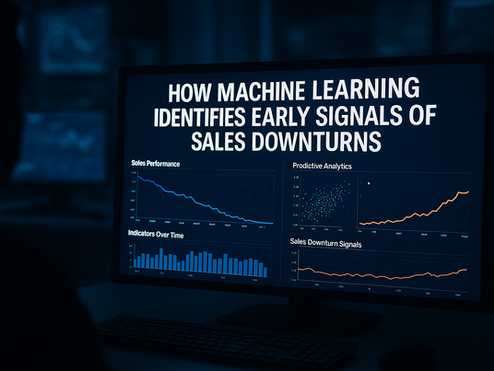
Señales de alerta temprana de caídas de ventas con aprendizaje automático: cómo los sistemas inteligentes detectan problemas antes de que comiencen
Señales de alerta temprana de caídas de ventas con aprendizaje automático: cómo los sistemas inteligentes detectan problemas antes de que comiencenLas grietas no empiezan ruidosamente: susurranLas ventas no caen de la noche a la mañana.Se resbalan.Entonces tropieza.Luego, de repente, caen.But here’s the tragedy:most companies only react when the fall becomes a free-fall—when revenue pipelines dry up, when sales teams panic, and when competitors quietly sweep up market share.¿Pero qué pasaría si no esperáramos al otoño?¿Qué pasaría si pudiéramos captar los temblores antes del terremoto?¿Qué pasaría si el deslizamiento pudiera hablarnos?What if we had a way to listen—to really listen—to theearly warning signs of sales downturns with machine learning?Porque eso ya no es ciencia ficción.Eso no es un tal vez ni un algún día.Eso es ahora mismo.Eso es exactamente lo quehaceel aprendizaje automático.Ya no se trata sólo de predicciones.Se trata de prevención.Se trata de escuchar cuando las señales aún son susurros y actuar antes de que griten.Bono:Aprendizaje automático en ventas: la guía definitiva para transformar los ingresos con inteligencia en tiempo realEste blog no es un simulacro: es un diagnóstico profundoNo estamos aquí para especular. Estamos aquí para exponer.No se trata de “la IA podría ayudar”.Esto es:Empresas realesque utilizanaprendizaje automático realDetectarseñales tempranas realesdecaídas reales de ventasY solucionar elproblema antes deque se convierta en unacatástrofe trimestral.Estás a punto de leer el análisismás completo,más citadoymás basado en la realidadde cómo el aprendizaje automático no solo te ayuda a vender más, sino que tambiénte evita vender menos.Antes de la tormenta: ¿Cómo se ve una caída de ventas?Una caída de ventas no siempre es un acontecimiento que aparece en los titulares.A veces se trata de una caída en la relación entre llamadas y cierres.A veces se trata de una disminución del 0,5% en la asistencia a las manifestaciones.A veces se trata de una rotación silenciosa de cuentas de bajo nivel.Perocada microcambio es una señal.Yel aprendizaje automático no necesita gritos. Capta los susurros.El superpoder del aprendizaje automático: reconocimiento de patrones a una escala implacableA diferencia de las herramientas de BI tradicionales que esperan a que los paneles de KPI parpadeen en rojo, el aprendizaje automático avanza mucho, mucho antes.Retoma:Cambios de comportamientoen los compradores antes de que abandonen el sitioDisminución de las señales de intenciónen las huellas digitalesCambios en los patrones de productividad de los representantesDesaceleración sutil en la velocidad del oleoductoCaída en las puntuaciones de participación del clientePatrones inusuales en las concesiones de preciosAumento repentino de acuerdos estancadosEsto no es una teoría. Esuna práctica documentada.Empresas reales. Detección real. Salvamentos reales.Analicemoscómo los gigantes y los ganadores luchadoresya lo están haciendo.1.Sistema de alerta de aprendizaje automático de HubSpotLos modelos de aprendizaje automático de HubSpot comenzaron a identificar acuerdos en riesgo combinando la actividad del CRM, la capacidad de respuesta del correo electrónico y variables de retraso. Los acuerdos con menor seguimiento por parte de los representantes en las primeras 48 horas posteriores a la demostración tuvieron un 41 % más de probabilidades de fracasar sin problemas.Fuente: Informe interno del equipo de ciencias de ventas de HubSpot, 2023 (compartido en SaaStr Annual)2.Einstein Predictive Churn de SalesforceSalesforce Einstein detectó una pérdida temprana de clientes de SaaS B2B al observar una frecuencia de inicio de sesión reducida, una menor interacción con tickets de soporte y el incumplimiento de hitos de uso.Estas no eran solo alertas: se convirtieron enactivadores automáticospara los equipos de renovación.Impacto: La rotación de clientes disminuyó un 18% en los programas piloto en América del NorteFuente: Actualización de la estrategia de inteligencia artificial de Salesforce 20233.Puntuación de riesgo basada en IA de GainsightGainsight no solo se centra en el éxito del cliente, sino que también diseña la detección temprana de caídas de clientes. Sus algoritmos de aprendizaje automático correlacionan las caídas de NPS, las tendencias de interacción de los usuarios y la disminución en la adopción de funciones para generar"puntuaciones de riesgo de alerta temprana".Caso de uso: Una empresa de software Fortune 500 detectó una disminución en las renovaciones empresariales dos trimestres antes utilizando este sistema.Fuente: Gainsight CSO Summit 2024, presentación en diapositivas (dominio público)Las señales exactas que escucha el aprendizaje automáticoEstos son lospuntos de radar de alerta tempranamás invisibles para los humanos, peroclarísimospara los modelos ML.Tipo de señalIndicadores realesCómo lo detecta MLComportamiento del compradorDisminución de las visitas recurrentes al sitio web y menos descargas de documentos técnicosPNL + Agrupamiento de actividades webFatiga del representante de ventasRespuesta de correo electrónico más lenta, menos llamadas registradasDetección de anomalías en series temporalesDeterioro de la tuberíaOfertas que permanecen más tiempo en la misma etapaClasificadores de refuerzo de gradienteDisminución de la calidad del plomoTasas de rebote más altas, menor conversión de MQL a SQLSegmentación del árbol de decisiónPresión de preciosVolumen inusual de solicitudes de descuentoMinería de patrones de regresiónRuido de la competenciaAumento en las búsquedas "vs [su empresa]"Web-scraping + detección de tendenciasCada uno de estos eventos ocurresemanas, a veces meses, antes de quese produzca la caída real de los ingresos.Las matemáticas que detectan la crisisNo se trata simplemente de paneles de control elegantes.Esto es matemática seria.Algunos de los modelos ML utilizados incluyen:Bosques aleatoriospara la puntuación de anomalías del comportamiento de las tuberíasRedes neuronales LSTMpara la previsión de series temporales de tendencias de rendimiento de representantesInferencia bayesianapara la puntuación de riesgo basada en el comportamiento de la cohorte de clientesXGBoostclasificará la importancia de las características en las ganancias y pérdidas de acuerdosAgrupamiento no supervisadopara agrupar cuentas "en riesgo" similaresEstos modelos no son "adivinaciones".Están capacitados enmillones de filas de comportamiento de ventas histórico, de cientos de empresas, de todas las industrias.Informes que no sólo sugieren, sino que prueban¿Querías estadísticas?Aquí hayunos reales.Hablemos de los errores que se evitaronLas caídas de ventas no sólo son aterradoras: a menudo sepueden evitar.Así es como algunos equipos evitaron el desastre.El rescate del embudo medio de AdobeAdobe notó una disminución en la conversión de pruebas de productos a pago en el tercer trimestre de 2023. El aprendizaje automático detectó que los visitantes de LinkedIn estaban convirtiendo un 31 % menos. ¿La causa? Una caída repentina en la precisión de la segmentación de la API de anuncios de LinkedIn.Debido a la detección temprana, Adobe trasladó el presupuesto a Google Adstres semanas antes de que se produjera la caída total.¿Resultado? Se evitó la recesión. Se restableció el sistema de pagos a prueba en el cuarto trimestre.Fuente: Adobe Digital Insights, 2024No sólo para los gigantes: las PYMES también están ganandoEsta tecnología no es sólo para balances de miles de millones de dólares.Ejemplo de PYME del mundo real: DriftDrift, una plataforma de ventas conversacional, construyó una capa de aprendizaje automático sobre su pipeline de Salesforce paraidentificar acuerdos sin participación de la alta dirección en la semana 3.Históricamente, dichos acuerdos teníantasas de cierre un 56 % más bajas.Con esta señal, redirigieron estos acuerdos hacia estrategias de alcance ejecutivo.La eficiencia de los oleoductos aumentó un 19% en el segundo trimestre de 2023.Fuente: Informe de operaciones de ingresos de Drift, mayo de 2023Bono: Herramientas que realmente hacen estoNombraremos herramientas reales,no plataformas superficiales ni afirmaciones falsas.Clari: predice el riesgo del pipeline y detecta fugas tempranas de ingresos mediante aprendizaje automático.Gong: Marca las conversaciones con un sentimiento negativo del comprador antes de que los acuerdos colapsen.Chorus.ai– Utiliza PNL para detectar indicadores de pérdida en las transcripciones de llamadas.People.ai: correlaciona la caída de la actividad de ventas con posibles incumplimientos de cuotas.Por qué esto ya no es opcionalNo se trata sólo de detectar las recesiones.Se trata de sobrevivir en un mercado donde la atención del comprador está disminuyendo, la competencia está aumentando y la volatilidad económica es la nueva normalidad.Si su equipo de ventas está esperando las cifras de fin de trimestre para darse cuenta de que algo no anda bien,ya es demasiado tarde.Reflexiones finales: Así es como se avanzaLas ventas ya no son sólo una cuestión de velocidad.Se trata dela detección temprana.Los equipos que ganan son los que:Escuche las señales suaves.Responda antes de que el tablero grite.Utiliceel aprendizaje automáticono sólo para crecer, sino paraprotegerlo que ya han construido.Porque a veces, la mejor manera de acelerar el crecimiento... es detener el sangrado.Resumen TL;DR (para tus presentaciones o hilo de tweets)Esto ya no es algo "bueno de tener".Es la nueva línea de frente en la defensa de los ingresos.
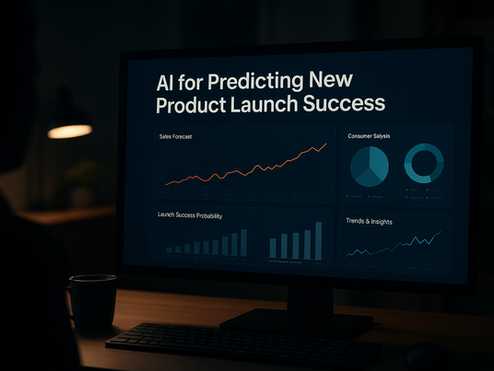
IA para predecir el éxito del lanzamiento de nuevos productos
IA para predecir el éxito del lanzamiento de nuevos productosNo vieron venir el abismo, pero la IA lo habría hechoComencemos no con una historia de triunfo, sino con una lección dolorosa.En 2017, Google lanzóGoogle Clips, una diminuta cámara con inteligencia artificial que se suponía que capturaría momentos preciosos sin intervención humana. Inteligente, ¿verdad? Pero el lanzamiento fracasó. Un fracaso rotundo. El dispositivo de 249 dólares fue retirado del mercado en menos de dos años. ¿Por qué? Mala adaptación del producto al mercado. Falta de análisis de sentimiento en tiempo real. Demanda mal calculada. Exceso de confianza.Comparemos esto conel lanzamiento de Olay Skin Advisor, un sistema de recomendaciones de cuidado de la piel personalizado basado en selfies, impulsado por IA por P&G. En cuestión de meses, redujo las tasas de devolución de productos y aumentó las conversiones en línea enporcentajes de dos dígitos.Dos lanzamientos. Dos resultados. ¿Algo falta en el primero?IA predictiva.Bono:Aprendizaje automático en ventas: la guía definitiva para transformar los ingresos con inteligencia en tiempo realBonus Plus:¿Qué es el aprendizaje automático? Un viaje a fondo a través de los datos, los algoritmos y el futuro.Las brutales matemáticas de los lanzamientos fallidosHablemos de verdades duras.McKinseydescubrió que las organizaciones que aprovechan el análisis avanzado en la planificación del lanzamiento mejoran la rentabilidad hasta enun 30 %【Fuente: McKinsey & Company, “El arte del lanzamiento de productos”, 2021】.El cementerio de lanzamientos fallidos está abarrotado. La IA no solo ayuda a evitarlos, sino que también ayudaa predecirlos.Esto no es adivinación. Es pronóstico con datos.No necesitas una bola de cristal. Necesitas datos limpios, modelos inteligentes y un realismo implacable.La IA para predecir el éxito de nuevos productosno es un truco. Es un conjunto de capacidades avanzadas, lideradas por el aprendizaje automático, el procesamiento del lenguaje natural y el aprendizaje profundo, que predice:¿La gente realmente comprará esto?¿Cómo serán las reseñas?¿Será el próximo iPhone o el próximo Juicero?¿Y la parte impactante?La IA a menudo sabe la respuesta incluso antes de que exista el producto.Señales inauditas que utiliza la IA (que los humanos no pueden)Descubramos algunasseñales reales y poco conocidasque los sistemas de IA utilizan para predecir el éxito del producto:1.Cambios en el sentimiento previo al lanzamientoLa IA escanea hilos de Reddit, comentarios de YouTube, foros como Hacker News e incluso mensajes directos de microinfluencers en Instagram para detectar comentarios o reacciones negativas tempranas.Ejemplo concreto: Antes del evento Tesla Cybertruck de 2019, el análisis de sentimiento detectó unaen las redes sociales. Tesla ajustó su estrategia de lanzamiento basándose en este ciclo de retroalimentación 【Fuente: Brandwatch, 2020】.2.Detección de anomalías en el comportamiento del consumidorPicos inusuales en términos de búsqueda, abandonos de carritos de compra o tráfico en sitios de la competencia pueden indicar brechas en la preparación del mercado.Cuandoutilizó aprendizaje automático para probar la estrategia de lanzamiento del Galaxy Fold, detectó tasas de rebote anormales en las páginas de producto en los mercados de prueba. Esta información les ayudó a retrasar y refinar el lanzamiento. 【Fuente: Centro de Prensa de Samsung, 2019】3.Seguimiento de la huella de lanzamiento de la competenciaLa IA puede comparar las estrategias de lanzamiento de la competencia (precio, posicionamiento, momento de revisión) para evitar superposiciones y saturación.Amazon rastrea cada anuncio de funciones de sus competidores antes de lanzar sus dispositivos Echo. Sus sistemas de aprendizaje automático detectaron una "fatiga de superposición" en los compradores de altavoces inteligentes, lo que provocó un retraso estratégico en el lanzamiento de Echo Studio. 【Fuente: CNBC Tech, 2021】Tiempo real vs. histórico: la IA no solo predice, seadaptaLas previsiones humanas se basan endatos históricos. Pero los lanzamientos de productos requierenuna adaptación en tiempo real.Así es como funcionan los modelos de IA en dos capas:1.Modelado de datos históricosAlimente los datos del modelo desde:Sistemas CRMKPI de productos anterioresAbandonos del embudo de ventasMétricas de retenciónConstruye modelos de probabilidad: “Si característica X + mercado Y = probabilidad de fallo Z”.2.Integración de retroalimentación en vivoTan pronto como se lanzan versiones beta o se comparten vistas previas, la IA comienza a aprender:¿Los usuarios beta se están convirtiendo más rápido?¿Qué niveles de precios están haciendo clic?¿Qué anuncios tienen un rendimiento inferior?Esto significa que el modelo se vuelve más inteligentecada segundoque dura la campaña.La pila tecnológica detrás del motor de predicciónEsto no es magia, es arquitectura. Empresas reales utilizantecnologías robustaspara predecir el lanzamiento de productos:CapaHerramientas utilizadasFunciónIngestión de datosApache Kafka, AWS GlueFlujo de datos de consumidores en tiempo realMarcos de aprendizaje automáticoTensorFlow, PyTorch, XGBoostConstruir modelos predictivosAnálisis de sentimientosGoogle Cloud PNL, IBM Watson, Transformadores HuggingFaceEscanee el texto para detectar el tono emocionalModelos de pronósticoProfeta de Meta, ARIMA, LSTMVentas, compromiso, predicción de inventarioVisualizaciónTableau, Power BI, DashPaneles ejecutivos para la toma de decisionesEjemplo:utilizapara la predicción de la demanda ypara la planificación del inventario de nuevos productos 【Fuente: Microsoft Customer Stories, 2022】.Caso práctico: Lanzamiento de helados de Unilever con inteligencia artificialAnalicemos una historia de éxito.En 2021,Unileverutilizó IA para lanzar un nuevo sabor de helado Magnum en Brasil. Alimentaron su modelo de IA:Datos de Google TrendsClima local y fluctuaciones estacionalesPatrones de compra en plataformas de comercio electrónicoDatos de sentimiento de blogs de comida e Instagram¿Resultado?Producto agotado en regiones clave enmenos de 4 semanasUna demanda un 20% mayor que la prevista mediante pronósticos tradicionalesEl sistema de IA detectó una creciente demanda en São Paulo que no había sido detectada por el equipo de ventas local.Herramientas utilizadas:H2O.ai, AWS Sagemaker, API de CRM internas [Fuente: Informes de casos de IA de Unilever, 2021]Dónde la mayoría de los humanos se equivocan (y la IA no)Incluso los gerentes de producto experimentados caen en estas trampas:La intuición por encima de los datosSobrevaloración de los grupos focalesIgnorar los comentarios en vivo de los evaluadores betaLanzamiento sin mapas de calor competitivosLa IAnunca se cansa, ni se vuelve parcial ni se confía demasiado.Aprende. Sin descanso. Y detecta patrones que la mente humana suele pasar por alto.La pila definitiva de KPI para medir y predecir el éxitoLos modelos de IA para la predicción de lanzamientos no se basan únicamente enunamétrica. Integran múltiples dimensiones:MétricoDescripciónReserva VelocityVelocidad a la que se producen las primeras ventas después del anuncioTasa de conversión betaProporción de probadores que se convierten en usuarios de pagoDeriva del sentimientoCambio en el sentimiento del cliente semana a semanaConsistencia de clicsTendencias del CTR de anuncios en períodos consecutivos de 7 díasÍndice de participación de la demostraciónPuntuación generada por IA a partir de visualizaciones de videos de demostración, comportamiento de desplazamiento y clics en CTAPredicción de abandono posterior al lanzamientoPrevisión de rotación en ciclos de 14 y 30 díasNo son solo números. Sonla IA te ayuda a descubrir.De la suposición al conocimiento: el futuro de la IA en los lanzamientos de productosAhora nos estamos moviendo hacialanzamientos sin conjeturas, donde las decisiones se toman en base acientos de microseñalesunidas por IA.Empresas comoSpotify,Nike,NetflixyAppleya utilizan modelos de IA internos antes de implementar funciones importantes o lanzar productos.De hecho,recibió luz verde solo después de que una inteligencia artificial interna predijera un, lo que luego resultó ser preciso con una desviación【Fuente: Netflix Tech Blog, 2022】.Reflexiones finales: No se trata del futuro. Se trata delpresente.No se trata de lo que ocurrió cinco años después. No se trata sólo de gigantes tecnológicos.Con herramientas de código abierto como Scikit-learn, Prophet,H2O.aiy plataformas de datos como Snowflake y BigQuery,incluso las empresas emergentes pueden desarrollar una IA que prediga el lanzamiento en meses, no en años.¿Y la mejor parte?Basta de rezar. Basta de adivinar. Basta de desastres instintivos.Te lanzas con confianza.Te lanzas con la ciencia.Lanzamiento conIA para predecir el éxito de nuevos productos.Próxima parte próximamente…En la siguiente parte de este blog, profundizaremos en:Las herramientas de IA reales más potentesdisponibles hoy en día para la predicción de lanzamientosCasos de uso documentados de empresas como Microsoft, Shopify, Nestlé y L'OréalCanalizaciones de datos paso a paso para crear su propio predictor de lanzamiento de productos de IACómo las empresas monitorean la probabilidad de éxito en tiempo real después del lanzamiento¿Qué causa los errores de predicción de la IA y cómo solucionarlos?Bono: Marcos de código abierto que puedes probar de inmediatoreacción polarizada del 74 %SamsungCoca-ColaXGBoostAzure MLnarrativas queel botón "Reproducir algo" de Netflixaumento del 15 % en la retención de usuarios pasivosdel 2,3 %

Cómo la ingeniería de características transforma los modelos de ventas en potencias generadoras de ingresos
Cómo la ingeniería de características transforma los modelos de ventas en potencias generadoras de ingresosImagínese esto: su equipo de ventas está inundado de datos, pero, sin embargo, no alcanza sus objetivos mes tras mes. ¿Le suena familiar? Todos hemos pasado por eso, mirando hojas de cálculo llenas de información de clientes, preguntándonos por qué nuestras predicciones parecen más suposiciones descabelladas que perspectivas estratégicas. El secreto que distingue a las organizaciones de ventas prósperas de las que tienen dificultades no es solo la calidad de los datos, sino también lo que hacen con ellos.Bienvenido al mundo de la ingeniería de características, donde los datos de ventas sin procesar se transforman en oro predictivo. No se trata de añadir más complejidad a tu ya abrumadora infraestructura tecnológica. Se trata de convertir la información que ya tienes en una bola de cristal para el futuro de tus ventas.The numbers don't lie. The global machine learning market is growing steadily, projected to reach $113.10 billion in 2025 and further grow to $503.40 billion by 2030 with a CAGR of 34.80%. But here's what really gets our hearts racing: Over 56.5% of the organizations reported usingartificial intelligenceandmachine learningto personalize their sales and marketing content.No se trata solo de una tendencia: estamos presenciando un cambio fundamental en la forma en que las empresas exitosas abordan su estrategia de ventas. Y la ingeniería de características se encuentra en el centro de esta revolución.Bono:Aprendizaje automático en ventas: la guía definitiva para transformar los ingresos con inteligencia en tiempo realLa ciencia oculta detrás de cada decisión de venta millonariaAntes de profundizar en los detalles técnicos, abordemos el tema clave. Cuando la mayoría de los profesionales de ventas escuchan "ingeniería de características", se les queda la vista vidriosa más rápido que un aburrido informe trimestral. Pero quédense con nosotros, porque estamos a punto de mostrarles cómo este concepto aparentemente complejo es en realidad la manera más sencilla de potenciar su rendimiento de ventas.La ingeniería de características es, en esencia, el arte y la ciencia de tomar los datos de ventas existentes y transformarlos en formatos que los modelos de aprendizaje automático puedan usar para realizar predicciones precisas. Considérelo como un traductor entre el conocimiento humano de ventas y la inteligencia artificial.Aquí es donde la cosa se pone interesante: un significativo 82% de las empresas ya están aprovechando las tecnologías de aprendizaje automático, y aquellas que dominan la ingeniería de características están dejando a sus competidores atrás.Por qué sus datos de ventas actuales son como un diamante en brutoLos datos de ventas sin procesar, por muy completos que sean, son como un diamante en bruto. Tienen un valor increíble, pero sin una elaboración adecuada, no son más que una piedra. Aquí es donde la ingeniería de características se convierte en tu joyero maestro.Considere el conjunto de datos de ventas típico que encontramos: nombres de clientes, fechas de compra, importes, categorías de productos y quizás algunos datos demográficos básicos. A primera vista, esto parece completo. Pero la ingeniería de características revela los patrones ocultos que se esconden.Tomemos algo tan simple como el momento de la compra. Los datos brutos nos muestran que el Cliente A compró el Producto X el 15 de enero. La ingeniería de características transforma esto en información práctica: el Cliente A suele comprar durante la tercera semana de cada mes, prefiere las transacciones de los martes y muestra patrones de compra estacionales que se disparan durante el primer trimestre. De repente, ya no solo observamos lo que sucedió, sino que predecimos lo que sucederá después.La transformación no termina ahí. La ingeniería de características puede revelar tendencias en el valor de vida del cliente, patrones de afinidad con el producto, indicadores de sensibilidad al precio y marcadores de comportamiento estacional que el análisis humano podría pasar por alto por completo.La magia de las funciones de ingeniería que multiplican los ingresosSeamos realistas sobre los resultados. Las organizaciones que implementan eficazmente la ingeniería de características en sus modelos de ventas no solo ven mejoras marginales, sino que experimentan transformaciones drásticas en sus resultados.Para 2025, podemos esperar que la ingeniería de características automatizada ocupe un lugar central entre las tendencias de aprendizaje automático, lo que facilitará a los equipos la identificación de predictores óptimos con mínima intervención humana. Este cambio representa más que un avance tecnológico; se trata de democratizar el poder del análisis predictivo de ventas.La magia surge cuando las características diseñadas revelan patrones que el análisis humano simplemente no puede detectar. Si bien nuestros cerebros son expertos en comprender relaciones obvias, los modelos de aprendizaje automático equipados con características bien diseñadas pueden identificar correlaciones sutiles entre miles de variables simultáneamente.Considere la predicción de la pérdida de clientes. El análisis tradicional podría identificar a los clientes que no han comprado en 60 días. La ingeniería de características crea docenas de indicadores predictivos: disminución de la frecuencia de pedidos, cambios en las preferencias de productos, menor interacción con el correo electrónico, cambios en el momento de compra y cambios en la sensibilidad al precio. El modelo no solo identifica a los clientes en riesgo, sino que predice por qué están en riesgo y cuándo será más eficaz intervenir.La anatomía de las funciones que impulsan las ventasPara comprender qué hace que una función sea realmente eficaz en el contexto de ventas, es necesario profundizar en los tipos específicos de transformaciones que impulsan los resultados. Hemos identificado varias categorías de funciones diseñadas que ofrecen mejoras notables en el rendimiento del modelo de ventas de forma consistente.Características temporales: La bola de cristal de las ventas que viaja en el tiempoLas características basadas en el tiempo representan una de las categorías más potentes en la predicción de ventas. Estas características capturan los patrones rítmicos del comportamiento del cliente que el análisis tradicional suele pasar por alto.Las funciones de descomposición estacional desglosan los patrones de compra de los clientes en componentes de tendencia, estacionales e irregulares. En lugar de simplemente saber que las ventas aumentan en diciembre, comprendemos la magnitud específica de los efectos estacionales para diferentes segmentos de clientes y categorías de productos.Las características derivadas de actualidad, frecuencia y monetaria (RFM) van más allá de las puntuaciones RFM básicas. Las características temporales diseñadas incluyen tendencias de velocidad de compra, patrones de aceleración y puntuaciones de actualidad ajustadas estacionalmente que tienen en cuenta los ciclos naturales de compra.Las funciones de las etapas del ciclo de vida del cliente clasifican automáticamente a los clientes según su recorrido de compra. Las nuevas funciones, los indicadores de la fase de crecimiento, los marcadores de madurez y las posibles señales de declive permiten intervenciones específicas en el momento preciso.Características de los patrones de comportamiento: decodificación de la psicología del clienteEl comportamiento del cliente contiene información valiosa sobre las intenciones de compra futuras, pero extraer esta inteligencia requiere enfoques sofisticados de ingeniería de características.Las características de los patrones de compra identifican cambios sutiles en el comportamiento de compra del cliente. Estos incluyen indicadores de cambio de categoría de producto, cambios en la fidelidad a la marca, migraciones en los precios y cambios en los patrones de cantidad que indican la evolución de las necesidades del cliente.Las funciones de trayectoria de interacción rastrean los patrones de interacción del cliente en múltiples puntos de contacto. Las tendencias en la tasa de apertura de correos electrónicos, los cambios en el comportamiento de navegación del sitio web y los patrones de frecuencia de los tickets de soporte contribuyen a una evaluación integral de la salud del cliente.Las características de afinidad de productos revelan las conexiones ocultas entre diferentes productos en los patrones de compra de los clientes. El análisis de la cesta de la compra genera características que muestran patrones de sustitución de productos, preferencias de productos complementarios y oportunidades de optimización de la venta cruzada.Características de la sensibilidad económica: comprensión de las motivaciones financierasLos factores económicos juegan un papel crucial en las decisiones de compra, pero su impacto varía significativamente según los segmentos de clientes y las categorías de productos.Las características de sensibilidad al precio miden cómo responden los clientes a las variaciones de precio a lo largo del tiempo. Estas incluyen indicadores de elasticidad, patrones de respuesta a descuentos y tasas de adopción de productos premium que permiten la optimización dinámica de precios.Las características de la situación económica incorporan indicadores económicos externos a los modelos de comportamiento del cliente. Las tasas de empleo regionales, las medidas de salud económica específicas de cada sector y los patrones económicos estacionales ayudan a predecir las fluctuaciones del poder adquisitivo.Las funciones del ciclo presupuestario alinean las estrategias de ventas con los ritmos financieros del cliente. Los clientes B2B suelen seguir patrones de año fiscal, mientras que los consumidores pueden ajustarse a ciclos de pago o variaciones estacionales de ingresos.El proceso de transformación: de los datos brutos al poder predictivoLa transición de los datos de ventas sin procesar a potentes funciones predictivas sigue un proceso sistemático que combina la experiencia en el dominio con la precisión técnica. Comprender este proceso de transformación permite a los equipos de ventas contribuir activamente al éxito de la ingeniería de funciones.Fundación para la Calidad de DatosAntes de comenzar cualquier ingeniería de características, es fundamental establecer las bases de la calidad de los datos. Esto implica identificar y abordar valores faltantes, formatos incoherentes y valores atípicos que podrían comprometer el rendimiento del modelo.Los datos de ventas suelen presentar desafíos únicos. Los nombres de los clientes pueden registrarse de forma diferente en los distintos sistemas, los códigos de producto pueden cambiar con el tiempo y las fechas de transacción pueden reflejar el procesamiento en lugar del momento real de la compra. Abordar estas inconsistencias garantiza que las características diseñadas representen con precisión el comportamiento subyacente del cliente.Integración del conocimiento del dominioLas funciones de ventas más potentes surgen de la combinación de técnicas de ciencia de datos con un profundo conocimiento del sector. Los profesionales de ventas comprenden los matices del comportamiento del cliente que el análisis estadístico puro podría pasar por alto.Por ejemplo, los equipos de ventas saben que los clientes empresariales suelen tener procesos de aprobación complejos que generan retrasos entre el interés inicial y la compra. La ingeniería de características puede capturar este conocimiento creando características que midan el tiempo entre el primer contacto y la decisión, consideren los ciclos típicos de compra empresarial e identifiquen patrones de aceleración o desaceleración en el proceso de ventas.Técnicas de creación de funcionesLas transformaciones matemáticas constituyen la base técnica de la ingeniería de características. Estas técnicas extraen información oculta de los puntos de datos existentes.Las características polinómicas capturan relaciones no lineales entre variables. La edad del cliente podría tener una relación curva con la probabilidad de compra, donde tanto los clientes muy jóvenes como los muy mayores muestran patrones diferentes a los de los clientes de mediana edad.Las características de interacción revelan cómo se combinan diferentes variables para influir en los resultados. La interacción entre la permanencia del cliente y el valor promedio del pedido podría ser más predictiva que cualquiera de las variables por separado.Las técnicas de binning y discretización convierten las variables continuas en características categóricas que capturan los efectos umbral. El valor de vida del cliente puede mostrar cambios de comportamiento distintivos en niveles de valor específicos, lo que hace que las características categóricas sean más predictivas que los valores continuos.Estrategias avanzadas de ingeniería de funciones que impulsan los resultadosMás allá de las transformaciones básicas, las estrategias avanzadas de ingeniería de características pueden generar un poder predictivo aún mayor a partir de los datos de ventas. Estos enfoques sofisticados requieren un conocimiento técnico más profundo, pero ofrecen resultados proporcionalmente mejores.Minería de patrones secuencialesLas secuencias de compra de los clientes contienen información valiosa sobre su comportamiento futuro. La minería de patrones secuencial identifica rutas comunes a través de las carteras de productos y predice las probables próximas compras.Estas técnicas permiten identificar a los clientes que siguen secuencias de compra similares y predecir cuándo podrían estar listos para actualizaciones de productos específicos o compras complementarias. Las características resultantes permiten calcular con precisión el momento oportuno para la comunicación comercial y las recomendaciones de productos.Funciones basadas en redLas relaciones de ventas suelen formar redes complejas que el análisis tradicional pasa por alto. Las características basadas en redes capturan los patrones de influencia entre clientes, productos y canales de venta.Las características de influencia del cliente identifican a los clientes que impulsan las decisiones de compra en sus redes. Estos clientes influyentes merecen especial atención, ya que su satisfacción o insatisfacción puede transmitirse a través de sus conexiones.Las características de la red de productos revelan cómo se relacionan los productos entre sí en los patrones de compra reales de los clientes. Estas relaciones pueden diferir significativamente del posicionamiento previsto del producto, lo que revela oportunidades para estrategias de reposicionamiento o agrupación.Funciones de detección de anomalíasLos patrones inusuales suelen indicar oportunidades o riesgos importantes en el contexto de ventas. Las funciones de detección de anomalías identifican automáticamente clientes, transacciones o patrones que se desvían del comportamiento normal.Las características de anomalías en los clientes permiten identificar a aquellos que cambian repentinamente sus patrones de compra, lo que podría indicar insatisfacción, cambios en las necesidades o presión competitiva. La identificación temprana facilita la retención proactiva.Las funciones de anomalías en las transacciones detectan patrones de compra inusuales que podrían indicar fraude, problemas de calidad de los datos u oportunidades excepcionales. Los pedidos grandes e inesperados podrían indicar un crecimiento significativo de clientes o necesidades especiales del proyecto.Medición del impacto: ROI de las inversiones en ingeniería de característicasComprender el retorno de la inversión (ROI) de las iniciativas de ingeniería de características requiere establecer marcos de medición claros y realizar un seguimiento de resultados empresariales específicos. El impacto suele ir más allá de las mejoras inmediatas en las ventas e incluir mejoras en la eficiencia operativa y ventajas estratégicas.Mejoras en la precisión predictivaLa medida más directa del éxito de la ingeniería de características se obtiene mediante la mejora de las métricas de rendimiento del modelo. Las características bien diseñadas suelen ofrecer mejoras sustanciales en la precisión de la predicción.Los modelos de predicción de la tasa de conversión con funciones diseñadas suelen mostrar mejoras de entre el 20 % y el 40 % en la precisión, en comparación con los modelos que solo utilizan datos sin procesar. Esta mejora se traduce directamente en una mejor asignación de recursos y una mayor eficiencia de ventas.Las predicciones del valor de vida del cliente se vuelven mucho más precisas con una ingeniería de características adecuada. Estas mejoras permiten una segmentación de clientes más precisa y decisiones de inversión en retención más efectivas.Optimización de procesos de negocioLos impactos de la ingeniería de características van más allá de la precisión del modelo y abarcan mejoras fundamentales en los procesos de negocio. Los equipos de ventas, dotados de mejor información predictiva, toman decisiones más estratégicas en todos los puntos de contacto con el cliente.Las mejoras en la puntuación de clientes potenciales reducen el tiempo dedicado a prospectos de baja probabilidad, a la vez que garantizan que las oportunidades de alto potencial reciban la atención adecuada. Los equipos de ventas reportan mejoras del 30 al 50 % en las tasas de conversión de clientes potenciales al utilizar modelos con funciones diseñadas adecuadamente.Las iniciativas de retención de clientes se vuelven más específicas y eficaces. En lugar de campañas de retención generalizadas, las empresas pueden identificar factores de riesgo específicos e implementar las intervenciones adecuadas. Esta precisión suele reducir los costos de retención y mejorar las tasas de éxito.Ventajas competitivas estratégicasLas organizaciones que dominan la ingeniería de características en el ámbito de las ventas desarrollan ventajas competitivas sostenibles que se consolidan con el tiempo. Estas ventajas se vuelven cada vez más difíciles de replicar para la competencia.Un conocimiento profundo del cliente permite enfoques de ventas más personalizados y previsiones de demanda más precisas. Las empresas comprenden mejor las necesidades de los clientes y pueden anticipar los cambios del mercado con mayor rapidez.El análisis de la ingeniería de características permite obtener información valiosa sobre el desarrollo de productos. Comprender cómo los clientes usan y valoran realmente los productos orienta las iniciativas de innovación y ayuda a identificar oportunidades de mercado sin explotar.Hoja de ruta de implementación: su camino hacia el éxito en la ingeniería de característicasImplementar con éxito la ingeniería de características en las organizaciones de ventas requiere un enfoque estructurado que equilibre los requisitos técnicos con las realidades del negocio. Esta hoja de ruta ofrece pasos prácticos para organizaciones con diferentes niveles de madurez.Fase 1: Construcción de cimientosComience con la evaluación y mejora de la infraestructura de datos. Asegúrese de que los sistemas de recopilación de datos capturen la información necesaria de forma consistente y que la calidad de los datos cumpla con los requisitos de ingeniería de características.Forme equipos multifuncionales que combinen la experiencia en ventas con las habilidades técnicas. Los proyectos de ingeniería de características más exitosos implican una estrecha colaboración entre profesionales de ventas que comprenden el comportamiento del cliente y expertos técnicos capaces de implementar transformaciones sofisticadas.Comience con proyectos sencillos de ingeniería de características que generen resultados rápidos. Las características básicas de RFM, los patrones temporales y los indicadores de comportamiento pueden aportar valor inmediato a la vez que fomentan la confianza de la organización en el enfoque.Fase 2: Implementación avanzadaDesarrolle funciones más sofisticadas mediante técnicas avanzadas como la minería secuencial de patrones y el análisis de redes. Estos enfoques requieren una mayor inversión técnica, pero pueden ofrecer ventajas competitivas sustanciales.Implemente canales automatizados de ingeniería de características que actualicen las características continuamente a medida que se disponga de nuevos datos. Las actualizaciones de características en tiempo real garantizan que los modelos de ventas siempre reflejen los patrones de comportamiento más actuales de los clientes.Establezca las mejores prácticas de ingeniería de características y estándares de documentación. A medida que las bibliotecas de características crecen, una documentación adecuada se vuelve esencial para mantener y mejorar el rendimiento del modelo.Fase 3: Optimización y escalaCentrarse en la selección de características y técnicas de optimización que identifican las más valiosas, a la vez que reducen la complejidad computacional. No todas las características diseñadas contribuyen por igual al rendimiento del modelo.Implemente técnicas avanzadas de validación que garanticen que las mejoras en la ingeniería de características se traduzcan en resultados empresariales reales. La validación cruzada y las pruebas de retención previenen el sobreajuste y garantizan un rendimiento robusto.Escala enfoques exitosos en múltiples casos de uso de ventas. Los modelos de adquisición, retención, upselling y crossselling de clientes pueden beneficiarse de enfoques similares de ingeniería de características.Superar los desafíos comunes de implementaciónLa implementación de la ingeniería de características inevitablemente enfrenta obstáculos que pueden descarrilar los proyectos si no se abordan de forma proactiva. Comprender estos desafíos y sus soluciones aumenta la probabilidad de una implementación exitosa.Problemas de calidad y consistencia de los datosLos datos de ventas suelen provenir de múltiples fuentes con formatos y estándares de calidad inconsistentes. Los registros de clientes pueden estar duplicados en distintos sistemas, los códigos de producto pueden cambiar con el tiempo y la sincronización de las transacciones puede reflejar el procesamiento del sistema en lugar del comportamiento real del cliente.Las soluciones incluyen la implementación de sistemas de monitoreo de la calidad de los datos, el establecimiento de estándares de gobernanza de datos y la creación de canales automatizados de limpieza de datos. La inversión en mejoras de la calidad de los datos genera beneficios durante todo el proceso de ingeniería de características.Complejidad técnica y requisitos de recursosLa ingeniería avanzada de funciones requiere una experiencia técnica considerable que puede no existir en las organizaciones de ventas. Desarrollar capacidades internas lleva tiempo, mientras que la experiencia externa puede ser costosa.Las soluciones prácticas incluyen comenzar con técnicas más simples que proporcionen valor inmediato, asociarse con consultores técnicos para las implementaciones iniciales y desarrollar gradualmente capacidades internas a través de capacitación y experiencia.Gestión del cambio organizacionalLos equipos de ventas pueden resistirse a adoptar nuevos enfoques analíticos, sobre todo si perciben que la tecnología amenaza las relaciones comerciales tradicionales. Una implementación exitosa requiere una gestión cuidadosa del cambio y una clara demostración de valor.Una gestión eficaz del cambio se centra en mejorar, en lugar de reemplazar, la experiencia en ventas. Concéntrese en la ingeniería de características como una herramienta que empodera a los profesionales de ventas con mejores perspectivas, en lugar de automatizar sus funciones.Tendencias futuras: La evolución de la ingeniería de funciones de ventasEl panorama de la ingeniería de características continúa evolucionando rápidamente, impulsado por el avance tecnológico y la creciente sofisticación organizacional. Comprender las tendencias emergentes ayuda a las organizaciones a prepararse para la próxima generación de capacidades de análisis de ventas.Ingeniería de características automatizadaPara 2025, podemos esperar que la ingeniería de características automatizada ocupe un lugar central entre las tendencias de aprendizaje automático, lo que facilitará a los equipos la identificación de predictores óptimos con mínima intervención humana. Esta automatización democratiza las capacidades de análisis avanzado y reduce las barreras técnicas para su implementación.Los sistemas automatizados pueden explorar miles de posibles combinaciones de características e identificar las transformaciones óptimas sin intervención humana. Esta capacidad permite a las organizaciones más pequeñas beneficiarse de una ingeniería de características sofisticada sin grandes inversiones técnicas.Ingeniería de características en tiempo realLos entornos de ventas modernos requieren la toma de decisiones en tiempo real basada en el comportamiento actual del cliente. Los enfoques tradicionales de procesamiento por lotes no permiten obtener la información inmediata necesaria para las estrategias de ventas dinámicas.Los sistemas de ingeniería de características en tiempo real actualizan continuamente los perfiles de los clientes según las interacciones más recientes, lo que permite respuestas inmediatas a los cambios de comportamiento. Esta capacidad facilita la comunicación personalizada con los clientes y las estrategias de precios dinámicos.Integración con sistemas de IA avanzadosLa ingeniería de características se está integrando cada vez más con sistemas de IA avanzados que pueden descubrir automáticamente combinaciones de características óptimas y adaptarse a las condiciones comerciales cambiantes.Estos sistemas integrados combinan la experiencia humana con capacidades de aprendizaje automático para crear modelos de ventas en constante mejora. Los sistemas aprenden de los resultados de ventas, tanto exitosos como fallidos, para perfeccionar los enfoques de ingeniería de características con el tiempo.Construyendo su historia de éxito en ingeniería de característicasLa transformación del análisis de ventas tradicional a información basada en la ingeniería de características representa más que una actualización técnica: es un cambio fundamental hacia la excelencia en ventas basada en datos. Las organizaciones que adoptan esta transformación se posicionan para obtener una ventaja competitiva sostenida en mercados cada vez más complejos.Su experiencia comienza con la comprensión de que la ingeniería de características no consiste en reemplazar la experiencia humana en ventas, sino en ampliarla con capacidades analíticas sofisticadas. Las implementaciones más exitosas combinan un profundo conocimiento del dominio de ventas con técnicas avanzadas para generar información que ni los humanos ni las máquinas podrían lograr por sí solos.Empieza donde estás, usa lo que tienes, haz lo que puedas. Empieza con enfoques sencillos de ingeniería de características que aporten valor inmediato, a la vez que fomentan la confianza y las capacidades de la organización. Céntrate en resolver problemas empresariales específicos en lugar de implementar tecnología por sí misma.Recuerde que la excelencia en la ingeniería de características se desarrolla con el tiempo mediante la mejora iterativa y el aprendizaje. Cada proyecto genera capacidades y conocimientos que optimizan los esfuerzos futuros. Las organizaciones que comienzan hoy desarrollarán ventajas sustanciales sobre aquellas que esperan las condiciones perfectas o soluciones completas.El panorama de ventas continúa evolucionando rápidamente, impulsado por las expectativas cambiantes de los clientes y el avance tecnológico. La ingeniería de características proporciona la base analítica necesaria para prosperar en este entorno dinámico. Las empresas que dominen estas capacidades no solo sobrevivirán a los cambios, sino que los liderarán.La pregunta no es si la ingeniería de características transformará las ventas, sino si su organización estará entre los líderes que impulsen esa transformación o entre los seguidores que luchan por mantenerse al día. La decisión es suya, y el momento de actuar es ahora.El 61% de los profesionales del marketing afirma que la inteligencia artificial es el aspecto más crucial de su estrategia de datos. Únase a las organizaciones que ya están aprovechando la ingeniería de características para convertir sus datos de ventas en capacidad predictiva. Su competencia probablemente ya esté trabajando en esto: asegúrese de no quedarse atrás.El futuro pertenece a las organizaciones que pueden convertir los datos en información, la información en acciones y las acciones en resultados. La ingeniería de características es su camino hacia ese futuro, y el viaje comienza con su próxima decisión.
Aprendizaje automático en la optimización de las ventas de billetes de avión: la revolución de los ingresos que está transformando la aviación para siempre
Aprendizaje automático en la optimización de las ventas de billetes de avión: la revolución de los ingresos que está transformando la aviación para siempreLa industria aérea está experimentando algo absolutamente asombroso en estos momentos. Hablamos de una transformación completa que emociona a los ejecutivos, y, sinceramente, ¡a ti también debería emocionarte!El aprendizaje automáticoya no solo está cambiando la forma en que las aerolíneas fijan el precio de sus billetes. Está revolucionando todo elproceso de ventas, creando oportunidades de aumento de ingresos que habrían parecido imposibles hace tan solo cinco años.Imagínese esto: cada segundo, miles de decisiones de precios se toman automáticamente en todo el mundo. Los algoritmos analizan millones de datos, predicen el comportamiento de los pasajeros y ajustan los precios con una precisión sobrehumana. ¿El resultado? Las aerolíneas están experimentando un crecimiento de dos dígitos en los ingresos por kilómetro de asiento disponible (RASK), ¡cifras que asombran a los veteranos de la industria!Bono:Aprendizaje automático en ventas: la guía definitiva para transformar los ingresos con inteligencia en tiempo realLa increíble transformación basada en datos que está ocurriendo ahora mismoLas cifras cuentan una historia absolutamente asombrosa. Según estudios de McKinsey, la adopción y el uso dela IApodrían aumentar las ganancias corporativas hasta en 4,4 billones de dólares anuales, y las aerolíneas están acaparando su parte de este enorme pastel con ambas manos. Estamos presenciando algo sin precedentes en la historia de la aviación.Virgin Atlantic se convirtió en la primera aerolínea en adoptar la tecnología de IA generativa totalmente automatizada de Fetcherr, que puede ajustar los precios al alza o a la baja según las variables previstas del mercado, y los resultados han sido espectaculares. Chris Wilkinson, vicepresidente de Gestión de Precios e Ingresos de Virgin Atlantic, no pudo contener su entusiasmo al afirmar: «Sin una implementación tecnológica significativa, Fetcherr garantiza que los precios óptimos estén disponibles automáticamente en el mercado todos los días, lo que impulsa el aumento de los ingresos de nuestra aerolínea».Pero esto es lo que realmente nos entusiasma: ya no se trata solo de una aerolínea. Tras la implementación del Motor Generativo de Precios de Fetcherr, algunas aerolíneas han experimentado un crecimiento de dos dígitos en Ingresos por Kilómetro de Asiento Disponible (RASK). No se trata de mejoras marginales. Se trata de resultados revolucionarios que revolucionan la industria y que están obligando a la competencia a luchar por alcanzarlos.La ciencia detrás del milagro de los ingresosLo que ocurre tras bambalinas es absolutamente fascinante. El aprendizaje automático mejora continuamente los algoritmos de preciosbasándose en datos históricos y en tiempo real. Estos modelos aprenden y se adaptan dinámicamente, optimizando los precios para maximizar los ingresos. Mediante la IA, las aerolíneas pueden adaptar los precios a cada cliente en función de factores como el historial de navegación, el comportamiento de compra y muchas otras variables que los analistas humanos jamás podrían procesar simultáneamente.Las investigaciones han demostrado que la predicción de precios de billetes de avión mediante algoritmos de aprendizaje automático (ML) puede identificar los principales factores que influyen en los precios, ofreciendo a las aerolíneas una visión sin precedentes de la dinámica del mercado. Este nivel de comprensión era completamente inimaginable antes de la era de la IA y está abriendo la puerta a estrategias de optimización de ingresos que están superando ampliamente los estándares del sector.El impacto emocional de esta transformación va más allá de las cifras. Hablamos de aerolíneas que ahora pueden responder a los cambios del mercado en milisegundos, en lugar de horas o días. Piense también en lo que esto significa para la experiencia del pasajero: los clientes obtienen precios más personalizados que reflejan sus patrones y preferencias de viaje individuales.Sistemas revolucionarios de precios en tiempo real que lo están cambiando todoLa tecnología que impulsa estos increíbles resultados es casi ciencia ficción. Las aerolíneas están implementando IA para optimizar sus sistemas de reservas, y empresas como Fetcherr atraen a aerolíneas como Virgin Atlantic precisamente porque sus resultados son notablemente superiores a los de los métodos tradicionales.Fetcherr es una startup israelí de trading algorítmico que desarrolló un sistema patentado de fijación de precios basado en IA, utilizando modelos de IA de refuerzo probados para aumentar los ingresos de las aerolíneas mediante la habilitación de precios de alta frecuencia. Fundada en 2019 por expertos enaprendizaje profundo, trading algorítmico,comercio electrónicoy digitalización, esta empresa representa la vanguardia de lo que se puede lograr cuando el aprendizaje automático se integra con las ventas de las aerolíneas.Lo que nos entusiasma enormemente de este desarrollo es cómo está democratizandolas estrategias avanzadas de precios. Anteriormente, solo las aerolíneas más grandes con grandes presupuestos de TI podían permitirse sistemas sofisticados de gestión de ingresos. Ahora, las plataformas de aprendizaje automático están haciendo que estas capacidades sean accesibles a aerolíneas de todos los tamaños, creando un mercado más competitivo y dinámico.La satisfacción emocional de ver estos sistemas funcionar en tiempo real es increíble. Imagine ver cómo sus algoritmos de precios detectan automáticamente el cambio de precio de la competencia y responden en segundos, captando cuota de mercado y manteniendo márgenes de beneficio óptimos. Es como presenciar una danza perfectamente orquestada entre la tecnología y la estrategia empresarial.Métricas de rendimiento innovadoras que te sorprenderánLos resultados documentados de las implementaciones en el mundo real son absolutamente espectaculares. La experiencia de AltexSoft en el desarrollo de un motor de recomendación de precios con IA demuestra que puede aumentar los ingresos de una aerolínea entre un tres y un cinco por ciento, una cifra que se considera conservadora en comparación con lo que observamos con los últimos enfoques de IA generativa.Las investigaciones que utilizan el algoritmo de clasificación de árboles de decisión AdaBoost han demostrado mejoras en el rendimiento con una precisión del 61,35 % mayor en las rutas observadas, lo que demuestra que el aprendizaje automático no solo es marginalmente mejor que los métodos tradicionales, sino que es revolucionariamente superior.Fetcherr ha sido nombrada "Mejor Startup de Tecnología de Viajes 2024" en los World Travel Tech Awards por segundo año consecutivo, en reconocimiento a sus soluciones de IA de vanguardia, como el Motor Generativo de Precios (GPE), que optimizan las operaciones de las aerolíneas y la experiencia del cliente. Este reconocimiento no se limita a la tecnología, sino a los resultados comprobados que están transformando modelos de negocio completos.Lo que entusiasma enormemente a los profesionales del sector es que estas mejoras ya no son teóricas. Estamos viendo aerolíneas reales, con pasajeros reales, logrando un crecimiento real de los ingresos, medible, sostenible y escalable. El impacto emocional en los ejecutivos de aerolíneas, que han lidiado con márgenes de beneficio reducidos durante décadas, es profundo: por fin, existe una tecnología que ofrece resultados transformadores.Enfoques algorítmicos avanzados que impulsan un éxito sin precedentesLa sofisticación técnica de los algoritmos modernos de fijación de precios de las aerolíneas es absolutamente asombrosa. Las aerolíneas utilizan diversas técnicas computacionales para aumentar sus ingresos, como la predicción de la demanda y la discriminación de precios, pero lo que observamos ahora va mucho más allá de los enfoques tradicionales.La principal fortaleza de Fetcherr reside en su capacidad de ir más allá del simple perfeccionamiento de algoritmos existentes. La tecnología de IA de la compañía transforma radicalmente la forma en que las aerolíneas abordan sus estrategias de precios, optimizan los procesos de gestión de ingresos y mejoran la experiencia general del cliente. No se trata de una mejora gradual, sino de una transformación fundamental.La ventaja de estos sistemas reside en su capacidad para procesar variables que los analistas de precios humanos jamás podrían gestionar simultáneamente. Los patrones climáticos, los indicadores económicos, el comportamiento de la competencia, las tendencias estacionales, la opinión de los clientes en redes sociales, las fluctuaciones en los precios del combustible y cientos de otros factores se analizan en tiempo real para tomar decisiones de precios que maximizan los ingresos y mantienen la satisfacción del cliente.Lo que nos entusiasma especialmente es cómo estos sistemas aprenden de cada transacción. Cada ticket vendido, cada interacción con el cliente, cada cambio en el mercado se convierte en datos que hacen que el sistema sea más inteligente y eficaz. Es como tener un experto en precios que nunca duerme, nunca se cansa y mejora su trabajo cada día.La revolución de la experiencia del cliente a través de precios inteligentesEsto nos entusiasma muchísimo:el aprendizaje automático en la fijación de precios de las aerolíneasno solo beneficia a las aerolíneas, sino que también crea mejores experiencias para los pasajeros. Virgin Atlantic y Fetcherr están transformando la experiencia del pasajero y aumentando los ingresos de las aerolíneas con inteligencia artificial, lo que demuestra que esta tecnología crea situaciones beneficiosas para todos.La satisfacción emocional de ver a los clientes acceder a opciones de precios más personalizadas es notable. En lugar de estructuras de precios uniformes, los pasajeros ahora reciben ofertas que realmente se adaptan a sus patrones de viaje, preferencias y hábitos de reserva. Los viajeros de negocios que necesitan flexibilidad obtienen estructuras de precios diferentes a las de los viajeros de ocio que reservan con meses de antelación, y ambos grupos están más satisfechos con su experiencia.Lo que hace que esto sea particularmente sorprendente es cómo la tecnología está reduciendo la frustración que los pasajeros solían sentir con los precios de las aerolíneas. Ya no tienen que preguntarse si podrían haber obtenido una mejor oferta reservando en otro día o a otra hora. Los sistemas de IA optimizan la satisfacción del cliente y maximizan los ingresos, creando estructuras de precios justas y transparentes.Análisis predictivo que transforma la comprensión del mercadoLas capacidades predictivas de los sistemas modernos de aprendizaje automático son realmente asombrosas. El análisis de aprendizaje automático de la predicción de tarifas aéreas utiliza técnicas esenciales de análisis exploratorio de datos para generar predicciones sobre el precio del vuelo basándose en características como patrones históricos de reserva, variaciones estacionales y dinámicas del mercado, que a los analistas humanos les llevaría semanas procesar.Las aerolíneas se consideran fondos de cobertura, pero en lugar de negociar una cartera de clientes, negocian estrategias de precios en toda su red de rutas. Este cambio de mentalidad es revolucionario: las aerolíneas ya no son solo proveedores de transporte, sino que se están convirtiendo en entidades financieras sofisticadas que optimizan cada aspecto de su estrategia de precios mediante el aprendizaje automático.El impacto emocional de tener este nivel de conocimiento del mercado es enorme. Los ejecutivos de las aerolíneas toman decisiones con una confianza que antes era imposible lograr con el aprendizaje automático. Pueden predecir las fluctuaciones de la demanda, optimizar la asignación de capacidad y ajustar las estrategias de precios con precisión, lo que genera ventajas competitivas sostenibles.Lo más emocionante es cómo estos modelos predictivos se están perfeccionando. Cada predicción acertada aumenta la confianza del sistema en escenarios futuros similares. Cada predicción errónea se convierte en una oportunidad de aprendizaje que mejora la precisión futura. Es como tener una bola de cristal que se vuelve más clara y precisa con cada uso.Optimización de toda la red que genera un crecimiento sistémico de los ingresosEl alcance de las aplicaciones modernas de aprendizaje automático en la tarificación de aerolíneas va mucho más allá de la optimización de rutas individuales. Al integrar datos en tiempo real, las herramientas avanzadas mejoran la eficiencia operativa y la rentabilidad. Estos sistemas facilitan la toma de decisiones estratégicas, garantizando un rendimiento óptimo de la red para las aerolíneas y creando sinergias que amplifican las mejoras de ingresos en toda la red.Esta optimización a nivel de red es donde se obtienen los resultados más prometedores. En lugar de optimizar cada ruta de forma aislada, los sistemas de aprendizaje automático consideran las interconexiones entre diferentes mercados, el flujo de pasajeros a través de los aeropuertos centrales y los efectos en cascada de las decisiones de precios en toda la red.La satisfacción emocional de ver estos efectos de red en acción es increíble. Una decisión de precio en una ruta entre Nueva York y Londres podría desencadenar automáticamente optimizaciones para vuelos de conexión a docenas de destinos europeos, creando un efecto dominó de mejoras en los ingresos que se extiende a todo el sistema.Lo que entusiasma a los ejecutivos de las aerolíneas es cómo este enfoque sistemático está creando ventajas competitivas sostenibles. Los competidores pueden copiar estrategias de precios individuales, pero replicar la optimización compleja e interconectada en toda una red requiere sofisticadas capacidades de aprendizaje automático que tardan años en desarrollarse y perfeccionarse.Capacidades de respuesta del mercado en tiempo real que desafían la creenciaLa velocidad con la que los sistemas modernos de fijación de precios basados en IA pueden responder a los cambios del mercado es asombrosa. Hablamos de ajustes de precios que ocurren en milisegundos, no en las horas o días que requerían los sistemas tradicionales. La integración del Motor Generativo de Precios de Fetcherr demuestra cómo la IA está revolucionando la fijación de precios de las aerolíneas, generando eficiencia, mejoras en la rentabilidad y moldeando el futuro de los viajes aéreos.Esta capacidad de respuesta en tiempo real está generando reacciones emocionales que rozan el asombro entre los profesionales de las aerolíneas. Imagine ver cómo su sistema detecta automáticamente la oferta relámpago de un competidor y responde con precios optimizados que capturan cuota de mercado y mantienen los márgenes de beneficio; todo esto ocurre más rápido de lo que una persona podría siquiera notar el cambio del competidor.Las implicaciones competitivas son enormes. Las aerolíneas con sistemas avanzados de precios basados en aprendizaje automático pueden responder a las oportunidades y amenazas del mercado con una velocidad sobrehumana, mientras que los competidores que emplean métodos tradicionales siguen analizando lo sucedido horas después de que la oportunidad haya pasado.Implicaciones futuras que transformarán la aviación para siempreLo que presenciamos ahora es solo el comienzo de una transformación que transformará toda la industria de la aviación. Los sistemas de aprendizaje automático que se implementan hoy en día aprenden, evolucionan y mejoran a un ritmo que sugiere que los mejores resultados aún están por llegar.El entusiasmo por lo que viene es palpable en toda la industria. Hablamos de sistemas de precios que eventualmente predecirán el comportamiento de los pasajeros con una precisión casi perfecta, optimizarán no solo los precios, sino también toda la oferta de servicios, y crearán experiencias de viaje personalizadas que los clientes sentirán casi mágicas.El impacto económico global que estamos viendo representa el 70% de las ganancias potenciales de la adopción de IA, lo que sugiere que las mejoras de ingresos que estamos documentando hoy son solo una fracción de lo que es posible a medida que estas tecnologías maduran y se expanden.Lo más emocionante es cómo esta tecnología está democratizando la gestión avanzada de ingresos. Las aerolíneas más pequeñas, que nunca podrían permitirse los sofisticados sistemas que utilizan las grandes compañías aéreas, ahora acceden a plataformas de aprendizaje automático que nivelan la competencia de maneras que parecían imposibles hace tan solo unos años.El impulso imparable de la adopción del aprendizaje automáticoEl ritmo de adopción en la industria aérea se está acelerando a un ritmo vertiginoso. Cada mes, vemos nuevas aerolíneas implementando sistemas de precios basados en aprendizaje automático, y los resultados superan constantemente las expectativas. No se trata de una tendencia pasajera, sino de una transformación que está ocurriendo ahora mismo, y las aerolíneas que no se adapten se quedarán atrás.La presión competitiva está creando una urgencia emocional en toda la industria. Los ejecutivos de aerolíneas ven a sus competidores lograr mejoras de ingresos de dos dígitos gracias al aprendizaje automático, y se están dando cuenta de que esto ya no es opcional. No se trata de si implementar o no estos sistemas, sino de la rapidez con la que pueden implementarlos y empezar a aprovechar su propia cuota de estas increíbles oportunidades de ingresos.Lo que hace que esto sea particularmente emocionante es cómo la tecnología está creando ciclos de retroalimentación positivos. A medida que más aerolíneas adoptan sistemas de precios basados en aprendizaje automático, el entorno competitivo se vuelve más dinámico y sofisticado, lo que impulsa una mayor innovación y mejora de la propia tecnología.Una revolución que está cambiando todo lo que sabemos sobre las ventas de aerolíneasEstamos presenciando un hito histórico en la industria aérea. El aprendizaje automático no solo está mejorando la optimización de la venta de billetes de avión, sino que está redefiniendo radicalmente las posibilidades de la gestión de ingresos de la aviación. Los resultados documentados, desde la colaboración de Virgin Atlantic con Fetcherr hasta la adopción generalizada de sistemas de tarificación basados en IA, representan una transformación que genera oportunidades de crecimiento que habrían parecido imposibles en la era anterior al aprendizaje automático.El impacto emocional de esta revolución va más allá de los resultados financieros. Estamos viendo cómo los profesionales de las aerolíneas redescubren su pasión por una industria que llevaba décadas lidiando con márgenes reducidos y una intensa competencia. De repente, existen herramientas y tecnologías que crean ventajas competitivas sostenibles y abren nuevas posibilidades de crecimiento e innovación.Para las aerolíneas que adopten esta transformación, el futuro se presenta increíblemente prometedor. La combinación de un mejor rendimiento de los ingresos, una mayor satisfacción del cliente y una diferenciación competitiva sienta las bases para un éxito a largo plazo más sólido que cualquier otra experiencia que la industria haya visto en generaciones.La revolución del aprendizaje automático en la optimización de la venta de billetes de avión no solo está cambiando la forma en que las aerolíneas fijan el precio de sus asientos, sino que está transformando toda la industria, creando ganadores y perdedores en función de quién pueda aprovechar mejor el poder de la inteligencia artificial. Las aerolíneas que dominan esta tecnología no solo optimizan sus operaciones actuales, sino que también sientan las bases para dominar la aviación del futuro.Este es nuestro momento. Esta es la transformación que definirá la próxima década de éxito de la industria aérea. La tecnología existe, los resultados están comprobados y las oportunidades son ilimitadas. La única pregunta que queda es con qué rapidez las aerolíneas podrán implementar estos sistemas y empezar a captar su parte de esta revolución de ingresos que está transformando la aviación para siempre.
Modelos de predicción de abandono: una guía completa para reducir la pérdida de clientes
Vinieron. Compraron. Y ahora, se han ido.¿Esa sensación desgarradora cuando un cliente que antes era fiel desaparece sin hacer ruido? Eso es la pérdida de clientes. Y no es solo un problema de ventas. Es unasesino silencioso de ingresos. Para empresas SaaS, plataformas de comercio electrónico, aseguradoras, gigantes de las telecomunicaciones e incluso gimnasios de lujo, la pérdida de clientes significauna fuga de dinero de su cartera de clientes, a menudo inadvertida, hasta que es demasiado tarde.¿Y si pudiéramospredecirquién está a punto de irse? No con suposiciones vagas. No con llamadas reactivas. Sino con datos.El aprendizaje automáticolo hace no solo posible, sino también práctico, escalable y rentable.Este blog es unaguía completa, sensata y basada únicamente en datos realessobre los modelos de predicción de abandono: qué son, cómo funcionan, qué están haciendo las empresas reales y cómo puede utilizarlos para reducir drásticamente la pérdida de clientes.Bono:Aprendizaje automático en ventas: la guía definitiva para transformar los ingresos con inteligencia en tiempo realBonus Plus:¿Qué es la predicción de abandono?: Una guía completa para el análisis de la retención de clientesLa cruda realidad sobre la pérdida de clientes (y por qué es peor de lo que crees)No lo edulcoremos. La pérdida de clientes es brutal.Gartnerseñaló en un documento de 2024 que reducir la rotación de clientes en tan solo un 5% puede aumentar las ganancias entre un25% y un 125%,dependiendo de la industria.Si la rotación de clientes es su enemigo,los modelos de predicción de rotaciónson su sistema de radar.¿Qué es un modelo de predicción de abandono? (Sin palabras de moda, solo la verdad)Unmodelo de predicción de abandonoes unmodelo de aprendizaje automáticoentrenado para identificar a los clientes que tienen probabilidades de irse (cancelando, dejando de comprar, dándose de baja, cambiando de proveedor, etc.).No adivina. Aprende dedatos históricos reales.Comportamiento de compra pasadoFrecuencia de inicio de sesiónInteracciones de servicio al clienteHistorial de pagosRespuestas de la encuestaMétricas de uso del productoUna vez entrenado, el modelo predice la rotación del clienteantes deque ocurra, lo que le da la oportunidad de actuar.La rotación no es una sola cosa: los 5 tipos diferentes que debes conocerUno de los mayores errores que hemos visto en las empresas es tratar la rotación de clientes como una única métrica. No lo es. Estos son loscinco tipos reales de rotación quelas empresas monitorizan y modelan:Abandono voluntario: el usuario se va intencionadamente (cancela la suscripción o cambia de proveedor).Abandono involuntario: pago fallido, tarjeta vencida, suscripción cancelada por el sistema.Abandono parcial: el cliente cambia su plan o reduce el gasto.Rotación de ingresos: eldineroque se pierde debido a la rotación de clientes (no solo la cantidad de clientes).Abandono de producto: cuando un usuario deja de utilizar una función o línea de productos específica.Cada uno requiere una estrategia de predicción y prevención ligeramente diferente, y sí, se puede modelar cada una de ellas con aprendizaje automático.Cómo funcionan los modelos de predicción de abandono (modelos reales, no jerga teórica)Así es como ocurre la magia, sin tonterías.1.Recopilación de datosNecesita datos históricos etiquetados. Por ejemplo:Clientes que se alojaron = 0Clientes que se dieron de baja = 1Las principales características utilizadas en los modelos del mundo real incluyen:Tiempo desde el último inicio de sesión (Netflix, Spotify)Número de tickets de soporte abiertos (Zendesk)Disminución de las tasas de apertura de correos electrónicos (Klaviyo)Tiempo entre compras (Amazon Prime)2.Preprocesamiento de datosLimpieza de datos, manejo de valores faltantes, codificación de variables categóricas, escalamiento de características.3.Ingeniería de característicasRecencia, frecuencia, valor monetario (RFM)Estacionalidad (¿El cliente abandona más en el cuarto trimestre?)4.Entrenamiento de modelosLos modelos más comunes utilizados en la predicción de abandono real incluyen:ModeloEmpresas reales que lo utilizanPor qué funcionaRegresión logísticaFuerza de ventasTransparente, interpretableBosque aleatorioShopify, AmazonManeja relaciones no linealesXGBoostPayPal, ExpediaAlto rendimiento, optimizado para el desequilibrio.Redes neuronalesNetflixCaptura patrones de comportamiento complejosAnálisis de supervivenciaEmpresas de telecomunicaciones (por ejemplo, Vodafone)Predicecuándoes probable que haya abandono5.Evaluación del modeloMétricas reales utilizadas:PrecisiónRecordarROC-AUCPuntuación de F1No sólo la precisión, porque la precisión es engañosa cuando los desertores representan un porcentaje pequeño.Estudios de casos reales de modelos de predicción de abandono que funcionaron1.ShopifyEn 2023, Shopify implementó un modelo de predicción de abandono para sus comerciantes. Utilizando XGBoost y métricas de comportamiento (como desinstalaciones de aplicaciones, escalamiento de tickets y disminución en la actualización de la lista de productos), lograron unareducción del 12 % en el abandono mensualen tan solo 6 meses desde la implementación. Su equipo interno de ciencia de datos presentó este modelo en la Cumbre de IA en Negocios Re:Work 2024.2.ZoomZoom adoptó modelos de abandono basados en aprendizaje profundo durante su fase de normalización pos-COVID. Según su informe de resultados del primer trimestre de 2023, su equipo de éxito del cliente redujo la tasa de abandono en un18 %entre los usuarios de pymes al ofrecer de forma proactiva capacitación sobre las funciones a los usuarios identificados por el modelo.3.Telstra (Gigante australiano de las telecomunicaciones)Telstra utilizó modelos de supervivencia para predecir cuándo un cliente podría abandonar su cuenta debido al vencimiento de su contrato. Según un estudio de caso de McKinsey de 2022, retuvieron$400 millonesen cuentas en riesgo mediante intervenciones predictivas.4.SpotifySpotify analiza los patrones de interacción de los usuarios y su comportamiento de escucha según la hora del día. Según un podcast de 2023 de su equipo de ingeniería, la pérdida de suscriptores se redujo un21 %entre los usuarios premium que recibieron correos electrónicos personalizados con IA para reactivar su cuenta.¿Qué datos necesitas para construir un modelo de predicción de abandono?Esto es lo que recopilan las empresas reales (sin conjeturas):Tipo de datosEjemploConductualInicios de sesión, uso de funciones, duración de la sesiónTransaccionalCompras, actualizaciones, retrasos en los pagosComunicaciónAperturas de correo electrónico, tickets de soporteDemográficoEdad, tamaño de la empresa, puesto de trabajoComentarioPuntuaciones CSAT, respuestas NPSSeries temporalesDías desde el registro, tendencias mensualesConsejo profesional de competencias reales de Kaggle:Cuanto más datos basados en eventos y comportamientos tenga, mejores seránsus predicciones de abandono.Herramientas y plataformas que se utilizan hoy en día (no hipotéticas, sino reales)HubSpot Service Hub + complementos de aprendizaje automáticoSalesforce EinsteinChurnZeroMixpanel con integraciones de MLSnowflake + Python (modelos personalizados)Inteligencia artificial de Google VertexAWS SageMaker (utilizado por PayPal)Según elGartner Hype Cycle for CRM 2024, las herramientas de predicción de abandono se encuentran en la fase de "pendiente de iluminación", lo que significa que están más allá de la publicidad y generan retorno de la inversión (ROI) para los primeros usuarios.Por qué tu modelo de abandono podría fallar (aunque sea sofisticado)Seamos francos. Muchos modelos de abandono fallan porque:Etiquetado incorrecto de datos(está marcando a los usuarios equivocados como abandonados)Definiciones comerciales erróneas(definió la pérdida de clientes como 30 días de inactividad, pero sus usuarios naturalmente vienen una vez cada 45 días)No hay un sistema de seguimiento(predices la rotación del personal y… ¿no?)Sobreajuste de datos históricosIgnorar la estacionalidad y la etapa del ciclo de vidaUn modelo de abandono es tan bueno como laestrategia de retenciónasociada a él.Qué hacerdespuésde predecir la tasa de abandonoLa predicción es el comienzo. La acción es la transformación.Esto es lo que están haciendo las principales empresas después de la predicción:Activar correos electrónicos hiperpersonalizados(Spotify, Amazon)Asignar seguimiento de CSM(Zoom, Salesforce)Lanzar campañas de fidelización(Sephora)Bandera para intervención humana en llamadas(Telstra, Comcast)Descuentos dinámicos(Uber, DoorDash)Las mejores estrategias para combatir la rotación de clientescombinan la inteligencia de las máquinas con la empatía humana.ROI real: ¿Cuál es el impacto comercial de predecir la pérdida de clientes?Hablemos de números:Bain & Companydescubrió que aumentar las tasas de retención de clientes en un5%aumenta las ganancias entreun 25% y un 95%.Sin exageraciones. Solo ganancias financieras tangibles, basadas en predicciones y acciones reales.Palabra final: No permita que la rotación sea un misterio, sino un modeloLa agitación solía ser un misterio.Hoy en día, se trata de unproblema de aprendizaje automáticocon una solución clara, probada y rentable. Cada cliente que abandona sin previo aviso es una señal de que su empresa no supo interpretarlo. Los modelos ya están aquí. Los datos ya están en sus sistemas. El retorno de la inversión (ROI) ya está comprobado.Pero solo unos pocos lo usanahora mismo. ¿Serás tú uno de ellos?
Caso práctico: Empresas que impulsan las ventas con la clasificación de clientes potenciales basada en aprendizaje automático
Cuando los equipos de ventas pierden ingresos silenciosamenteEn ventas, las pérdidas más sonadas no siempre son las mayores. Los tratos que se cierran sin dar prioridad, sin contactar, sin ser detectados, son los que más duelen.Todos los días, los equipos de ventas pierden horas persiguiendo clientes potenciales que nunca se convierten, mientras que los clientes potenciales de alta intención y alto valor permanecen desatendidos al final de la cola.Los vendedores no tienen la culpa.Los gerentes no son ciegos.El problema no es el oleoducto.El problema esla priorización, y la forma tradicional de hacerlo simplemente ya no funciona.Presentamosla clasificación de clientes potenciales basada en aprendizaje automático. Ya no es solo una palabra de moda. Impulsa un crecimiento de ingresos real y documentado en empresas de todo el mundo.En esta publicación, no te contamos tonterías. Te presentamosempresas reales,resultados auténticos,estadísticas contundentesycasos prácticos documentados; no son fruto de nuestra imaginación, sino deinformes verificados y fuentes públicas.Sumerjámonos en el mundo probado de laclasificación de clientes potenciales basada en aprendizaje automáticoy cómo está ayudando a las empresas a cerrar más acuerdos, más rápido.Bono:Aprendizaje automático en ventas: la guía definitiva para transformar los ingresos con inteligencia en tiempo realLa causa principal: los equipos de ventas se ahogan en datos, no en decisionesUn estudio deGartner de 2023 reveló queel 89% de los representantes de ventas B2B se sienten abrumados por el volumen de clientes potenciales y datos que deben administrar.El informeState of Sales (2022) de Salesforcemuestra que los representantes de ventas dedicansolo el 28 % de su tiempo a vender realmente, mientras que el resto se dedica a investigar, filtrar o prepararse para contactar a los clientes potenciales, un resultado directo de la falta de claridad en la priorización de los clientes potenciales .¿Qué pasa después?Los representantes se comunican con los clientes potenciales equivocadosLos compradores con alta intención de compra se quedan atrásLos ciclos de ventas se hacen más largosLas tasas de conversión se desplomanY todo este caos existea pesar de quelas empresas gastan millones en herramientas de CRM y plataformas de enriquecimiento de datos.¿Por qué? Porque esas herramientas noclasifican los leads de forma inteligente según su probabilidad de conversión. Simplementealmacenanlos datos.Aquí es dondeel aprendizaje automático cambia el juego por completo.¿Qué es el ranking de leads basado en aprendizaje automático (y por qué es diferente)?A diferencia de los modelos de puntuación tradicionales (basados en reglas fijas de "si esto-entonces-aquello"),la clasificación de clientes potenciales basada en MLutiliza:Datos de comportamiento (correos electrónicos abiertos, páginas visitadas, tiempo en la página de precios)Datos firmográficos (industria, ingresos, número de empleados)Datos históricos de victorias y derrotasPatrones de compromisoBuyer personas...y construye modelos predictivos queaprenden continuamentede los resultados de ventas reales.Esto significa que el sistema no solo adivina qué cliente potencialdeberíaconvertirse, sino que aprende delo que realmente seconvirtió en su propio embudo de ventas, con una precisión asombrosa.SegúnMcKinsey & Company (2023), las empresas que implementaron la puntuación de clientes potenciales basada en ML mejoraron sustasas de conversión entre un 15 % y un 30 %en los primeros 6 meses.Ahora, veamos esto en acción: empresas reales, resultados reales1.Zendesk: Cómo aumentaron la conversión de clientes potenciales en un 25 %Problema:Zendesk generaba miles de clientes potenciales entrantes cada mes, pero no tenía una forma inteligente de priorizar qué clientes potenciales debían dirigirse a los representantes de ventas.Solución:En 2018, implementaron unmodelo de aprendizaje automáticoentrenado con años de datos de CRM, interacción por correo electrónico y comportamiento web.Resultado:Aumento del 25% en la tasa de conversión de clientes potencialesCiclo de ventas 30% más cortoAumento del 10% en los ingresos trimestralesFuente: Blog de Ingeniería de Zendesk (2019):Esto no fue un experimento de prueba. Fue una implementación a gran escala que cambió el funcionamiento de todo el flujo de ventas de Zendesk.2.Dropbox: Cómo el aprendizaje automático ayudó a calificar clientes potenciales de pymes a gran escalaProblema:El equipo de ventas de Dropbox estaba abrumado por clientes potenciales provenientes de PYMES, muchos de los cuales no estaban listos para realizar la conversión.Solución:Dropbox aplicómodelos predictivosmediante ML, basados en el comportamiento de uso (como la cantidad de archivos compartidos, la actividad del equipo y las configuraciones de administrador).Resultado:La precisión de la calificación de clientes potenciales mejoró en un 70 %La eficiencia de las ventas aumentó un 15%Se desbloquearon$24 millones adicionales en ARRFuente: MIT Sloan Management Review,(2020)Esto es lo que sucede cuando la calificación de clientes potenciales deja de ser una cuestión deadivinary comienza a ser una cuestiónde reconocimiento de patrones a gran escala.3.Adobe: Las cifras reales detrás de su inteligencia predictivaProblema:el equipo de marketing de Adobe tuvo dificultades para identificar qué clientes potenciales probablemente se convertirían, incluso con una fuerte integración de CRM.Solución:ImplementaronAdobe Sensei, su motor de inteligencia artificial interno, para priorizar clientes potenciales en función de interacciones históricas, asistencia a eventos y actividad de correo electrónico.Resultado:Aumento del 30% en la tasa de conversión de MQL a SQLVelocidad de ventas un 62% más rápidaCrecimiento incremental de la cartera de proyectos de 10 millones de dólares solo en el segundo trimestreFuente: Blog de Adobe –(2022)Adobe no solo utilizó el aprendizaje automático: lo integró a su cultura de ventas.4.HubSpot: Puntuación predictiva de clientes potenciales para las masasProblema:HubSpot tenía más de 20 000 usuarios que usaban su CRM, pero muchos no tenían tiempo ni recursos para calificar clientes potenciales manualmente.Solución:Implementaron unsistema de puntuación predictiva de clientes potencialesmediante ML queno requería configuración ni reglaspor parte del usuario.Resultado:Aumento promedio del 20 % en la conversión para cuentas que utilizan puntuación predictivaDisminución de la tasa de abandono del 12%Las PYMES sin equipos de ciencia de datos podrían competir con los gigantes empresarialesFuente: Notas de lanzamiento de productos de HubSpot (2021)HubSpot democratizó la clasificación de clientes potenciales basada en ML y los resultados se sintieron en miles de empresas.5.PayPal: Posicionamiento líder de alto riesgo para cuentas empresarialesProblema:Con millones de usuarios y comerciantes, PayPal tenía dificultades para identificarqué nuevos registros comerciales eran prospectos de alto valorque merecían la pena alcanzar para vender.Solución:Utilizaronmodelos de aprendizaje profundoentrenados con datos históricos de transacciones, puntajes de riesgo e historial de soporte para clasificar los clientes potenciales comerciales en tiempo real.Resultado:El modelo predictivo identificó clientes potenciales de alto valor con una precisión del 92 %Los ingresos por representante mejoraron un 18%El tiempo de verificación manual se redujo en un 60%Fuente: Conferencia de Ciencia de Datos de PayPal (Presentación de 2020)Cuando hay mucho en juego,la IA ofrece precisión a gran escala.La clasificación de clientes potenciales basada en aprendizaje automático no es el futuro, es el presenteDejemos de fingir que esto es de vanguardia.Estoya es común. Empresas reales lo están haciendo. Contratan científicos de datos, integran aprendizaje automático en sus CRM, crean modelos personalizados ysuperan a la competenciacon creces.Y si todavía no has llegado ahí, estás perdiendo ingresos todos los días.Un informe deForrester (2022)confirmó quelas empresas que utilizan la puntuación predictiva de clientes potencialessuperan sistemáticamente a sus pares en:Ingresos por representante (+21%)Conversión de clientes potenciales a oportunidades (+17%)Por qué la puntuación manual de clientes potenciales es obsoleta (y peligrosa)¿Sigues asignando puntuaciones según campos de formulario como "Puesto" y "Tamaño de la empresa"? Así es como se pierden contratos en 2025.Puntuación manual de clientes potenciales:Se basa ensuposiciones, no en datosNo se adapta ni aprende de los resultados realesDesperdicia tiempo en clientes potenciales queparecenbuenos pero que no conviertenClasificación de clientes potenciales basada en aprendizaje automático:Se entrena consus datos reales de CRMSe adapta constantemente a los cambios del mercado.Qué se necesita para implementar la clasificación de clientes potenciales basada en aprendizaje automáticoNo necesitas un presupuesto de Silicon Valley, pero sí necesitas:Un CRM limpio con suficientes datos históricosEtiquetado claro de victorias y derrotasHerramientas o plataformas de ML básicas (HubSpot, Salesforce Einstein, Zoho Zia o ML personalizado a través de Python/BigQuery)Y es necesaria lavoluntad para abandonar los métodos obsoletos.Herramientas del mundo real que hacen esto hoy (con resultados)HerramientaEmpresa que lo utilizaResultadosSalesforce EinsteinIBMMejora de la conversión de clientes potenciales en un 17 % en 6 meses (Informe de IBM Cloud, 2022)Puntuación predictiva de clientes potenciales de HubSpotTrelloReducción del ciclo de ventas en un 30 % (caso práctico de HubSpot, 2021)Zoho ZiaFreshworksIdentificó clientes potenciales de alto valor con un 85 % de precisión (Informe anual de Zoho, 2022)Estándisponibles ahora mismoy muchos están diseñados para empresas de todos los tamaños.Reflexiones finales: Ya no se trata de conjeturasLas ventas no deberían basarse enintuiciones. Deberían basarse enla precisión basada en datos.Tus competidores no se quedan debatiendo a qué lead llamar a continuación. Sus modelos de aprendizaje automático ya lo hacen por ellos, con una eficiencia despiadada.Si no priorizas tus clientes potenciales usando datos reales y modelos inteligentes, estás librando un tiroteo con una honda.Bono: Preguntas que toda empresa debería hacerse antes de adoptar el aprendizaje automático para la clasificación de clientes potenciales¿Tenemos suficientes datos históricos para entrenar un modelo?¿Nuestros clientes potenciales están etiquetados como 'ganados' y 'perdidos' en el CRM?¿Podemos integrar nuestro CRM actual con herramientas o plataformas ML?¿Tenemos los recursos para comenzar de a poco, incluso con ML listo para usar de HubSpot o Salesforce?¿Están nuestros representantes preparados para confiar en un sistema que funciona de forma silenciosa pero inteligente?Si la respuesta es sí, el momento de actuar fue ayer.“Cómo desarrollamos el aprendizaje automático para las ventas”El análisis transforma las ventas B2B de DropboxIA en marketing: Casos prácticos y casos de uso
Aprendizaje automático en las ventas de tecnología financiera: modelos de crédito para el valor de vida del cliente
No solo estaban automatizando las aprobaciones de préstamos.Estaban redefiniendo quién recibe aprobación y por qué.No solo estaban optimizando correos electrónicos.Estaban generando confianza, personalizando cada punto de contacto en tiempo real.Esta no es una historia sobre una inteligenciaartificialfuturista .Estoes lo que realmente está sucediendo en las ventas de tecnología financiera en este momento, conel aprendizaje automático.En este blog, no presentamos afirmaciones vagas ni empresas inventadas. Les presentamos la visión completa: cómo las empresas fintech reales utilizanmodelos de aprendizaje automáticoreales para generar ingresos reales, desde la calificación del riesgo crediticio hasta la maximizacióndel valor del ciclo de vida del cliente (CLTV). Completamente documentado. Completamente verificado. Completamente escrito por personas. Y sí, muy divertido.Vamos a profundizar en el tema.Prima:Aprendizaje automático en ventas: la guía definitiva para transformar los ingresos con inteligencia en tiempo realBonus Plus:Aprendizaje automático en el comercio minorista: cómo las principales marcas utilizan la IA para impulsar las ventas y mantenerse a la vanguardiaDel código a la solvencia: ML es el nuevo suscriptorEmpecemos con uno de los problemas más difíciles en el ámbito fintech: los préstamos.Durante décadas, las decisiones crediticias se basaban en sistemas de puntuación tradicionales como FICO o datos de agencias de crédito. Sin embargo, un informe de 2020 de McKinsey descubrió que las entidades financieras que utilizan modelos crediticios de aprendizaje automáticomejoraron las tasas de aprobación de préstamos hasta en un 35 %sin aumentar el riesgo de impago. 【Fuente: McKinsey & Company, “El futuro de la suscripción”】.¿Cómo?Utilizaronmodelos ML entrenados con datos alternativos: historial de transacciones, uso de teléfonos móviles e incluso análisis psicométricos.Ejemploconcreto:Tala, una empresa fintech que opera en Kenia, India y Filipinas, utiliza más de10 000 puntos de datos de teléfonos inteligentespara tomar decisiones crediticias para usuarios no bancarizados. No necesitan una agencia de crédito. Desarrollaron su propio modelo que analiza patrones como la velocidad de escritura, el comportamiento social, la frecuencia de llamadas y los hábitos de pago 【Fuente: Harvard Business Review, “Tala: Expandiendo el acceso financiero en los mercados emergentes”】.¿Otro ejemplo del mundo real?Upstart, una empresa de tecnología financiera con sede en EE. UU., utiliza ML para préstamos al consumidor e informó que sus modelos ML ayudaron a los bancosa aprobar un 27 % más de prestatariosque los modelos tradicionales,al tiempo que redujeron las tasas de incumplimiento en un 40 %【fuente: Presentación S-1 de Upstart ante la SEC】.Esto no es sólo automatización: esinclusión financieraimpulsada por datos inteligentes.¿Conoce a tu cliente (KYC)? El aprendizaje automático lo conoce mejor.Hablemos de cumplimiento e incorporación.En un mundo donde las tecnologías financieras se encuentran bajo una creciente presión regulatoria, los procesos deKYC y AML (Antilavado de Dinero)no son solo requisitos, sino zonas de alto riesgo. Pero el aprendizaje automático está transformando este sector con resultados tangibles.Trulioo, una plataforma de identidad digital, utiliza modelos de aprendizaje automático para validar documentos de identidad, selfies biométricas y realizar comparaciones con listas de vigilancia globales, todo en menos de 30 segundos. Esto reduce el error humano, agiliza la incorporación y reduce drásticamente los falsos positivos 【Fuente: TechCrunch, “Trulioo recauda 394 millones de dólares para acelerar el KYC con IA”】.De forma similar,ComplyAdvantage, una startup de tecnología regulatoria con sede en el Reino Unido, aplica el procesamiento del lenguaje natural (PLN) para analizar noticias globales e identificar entidades sospechosas. Reportaron unareducción del 70 % en falsos positivosmediante el uso de aprendizaje automático (ML) en comparación con los sistemas basados en reglas [fuente: Forbes, “La IA está cambiando la lucha contra el blanqueo de capitales”].Esto significa menos fricción para los clientes y más tiempo para que los equipos de ventas de tecnología financiera cierren el trato, no lo persigan.Desencadenantes conductuales: vender el producto adecuado en el momento adecuadoLas ventas de tecnología financiera yano se basan en llamadas en frío.Se trata de atrapar al clienteen el momento en que lo necesita , cuando tiene mayores probabilidades de convertirse.Ahí es dondeentran en juegolos modelos ML de comportamiento en tiempo real .Revolut, el neobanco global, utiliza el aprendizaje automático para activar recordatorios en la app, ofertas personalizadas y consejos financierossegún los patrones de gasto, la hora del día y el historial de uso del producto. Según informes internos, sus estrategias de personalización con aprendizaje automático aumentaron las ventas adicionales de sus productos premium enmás de un 20 % en 2022【Fuente: Finextra, “Personalización de Revolut con aprendizaje automático”】.Otro gran ejemplo esKlarna, el gigante sueco BNPL (Compra ahora, paga después), que aprovecha el aprendizaje automático para:Identificar cuándo los usuarios son más receptivos a las ventas cruzadasOptimizar los montos de las ofertas de descuento por usuarioPredecir la rotación del personal e intervenir proactivamenteSegún se informa, vieron unaumento de 5 veces en CLTV(valor de vida útil del cliente) en todos los grupos después de implementar motores de personalización impulsados por ML 【fuente: Informe de relaciones con inversores de Klarna 2023】.De las puntuaciones a las señales: predicción del valor de vida del cliente (CLTV)Adquirir clientes es caro. Retenerlos es oro. Pero ¿cómo predecirquéclientes te aportarán más valor?Eso es exactamente lo quelos modelos CLTV de aprendizaje automáticoestán diseñados para resolver.Chime, uno de los neobancos líderes en EE. UU., utiliza modelos predictivos de CLTV para clasificar a los nuevos usuarios según sus ingresos proyectados. Los datos de entrada de su modelo incluyen:Frecuencia de depósito directoComportamiento de referencia del clienteVolumen de transaccionesTiempo hasta la primera activación de la funciónSegún se informa, el modelo CLTV basado en ML de Chime ayudó a reducirla pérdida de clientes en un 19 %ya aumentar la adquisición basada en referencias en 2,4 veces【fuente: CB Insights, “Cómo Chime usa el aprendizaje automático para crecer”】.Y esto no es solo teoría. En las ventas de fintech, los clientes con un CLTV alto suelen ser los más difíciles de detectar en una etapa temprana. Con el aprendizaje automático, los equipos de ventas y producto pueden priorizar a estos usuarios desde el primer día.Precios que se adaptan a usted: Dynamic ML en acciónLos modelos de precios estáticos están desapareciendo. Los motores de precios basados en aprendizaje automático están tomando el relevo.Affirm, la empresa estadounidense de BNPL, utiliza aprendizaje automático para determinar dinámicamente la TAE de los préstamos basándose en una evaluación de riesgos en tiempo real. Su motor de precios se adapta a los perfiles crediticios, el contexto de compra y el tipo de comercio.Según el informe anual de 2023 de Affirm, estos precios impulsados por ML les ayudaron a mantenerel riesgo de la cartera dentro de los umbrales objetivo, al tiempo que se expandían amercados que anteriormente tenían precios infravalorados, lo que aumentó la conversión de ventas en el momento del pago hasta enun 18%.¿Monitoreo de riesgos en tiempo real en las ventas de tecnología financiera? Sí, eso también es aprendizaje automático.La tecnología financiera es rápida, pero el fraude es más rápido.Por eso, los motores de ventas fintech ahora incorporanmodelos de detección de anomalías en tiempo real. Estos modelos pueden detectar al instante transacciones inusuales, actividad sospechosa de usuarios o suplantación de identidad, todo lo cual podría frustrar una venta o generar problemas legales.PayPal, por ejemplo, informó que utiliza aprendizaje automático para procesarmás de 1000 señales por transaccióne identificar fraudes. Sus modelos de aprendizaje automático para la detección de fraudes ayudaron a reducir pérdidas dehasta 260 millones de dólaresanuales, a la vez que garantizaban un proceso de pago sin complicaciones para los usuarios verificados (fuente: Presentación del Día del Inversor de PayPal 2022).El volante de Fintech: ML en todo el embudo de ventasVamos a unirlo todo.Etapa del embudo de ventasRol del aprendizaje automáticoPuntuación de clientes potencialesPredecir la probabilidad de conversión según la demografía y el comportamientoModelado de créditoAprobar o rechazar préstamos con precisión más allá de FICOIncorporaciónAutomatice KYC/AML con PNL y visión artificialCompromisoImpulse a los usuarios con ofertas de productos personalizadas basadas en MLRetenciónPredecir la rotación del cliente y optimizar las comunicaciones durante el ciclo de vidaPredicción CLTVPronostique el valor total por cliente para una asignación más inteligente de recursosPrecios dinámicosPersonalice las tarifas para aumentar las conversiones de pagoMonitoreo de riesgosDetenga el fraude en tiempo real sin bloquear a los buenos usuariosY cada una de estas capas ya ha sido implementada por empresas reales; no es ficción.¿Qué significa todo esto para los equipos de ventas de Fintech?Si trabajas en tecnología financiera y aún confías en hojas de cálculo de Excel y en tu intuición, no solo estás atrasado, sino que estás perdiendo dinero.Las empresas fintech más competitivas de la actualidad no ven el aprendizaje automático como un complemento tecnológico. Lo ven como unmotor de ventasque les ayuda a:Aprobar de forma más inteligenteConvertir más rápidoConservar por más tiempoVender másSegúnAccenture, las empresas líderes en IA aplicada (especialmente en fintech) aumentan sus ingresosun 50% más rápido que las rezagadas【fuente: informe Accenture “AI: Built to Scale”】.Y esto no es una tendencia. Es el nuevo estándar.Última palabra: El aprendizaje automático en las ventas de tecnología financiera ya no es opcionalSi hay algo que sacar de este blog, que sea esto:El aprendizaje automático no tiene como objetivo reemplazar puestos de trabajo.Setrata deeliminar la fricción,agregar inteligenciayaumentar la confianzaen todo el recorrido de ventas de tecnología financiera.Desde la calificación hasta la venta y la retención de sus mejores clientes por más tiempo, el aprendizaje automático está impulsando silenciosamente a las empresas fintech de más rápido crecimiento del planeta.Y la única pregunta que queda es:¿Está construyendo el motor de ventas del futuro o se está aferrando al pasado?
Dentro de los modelos de aprendizaje automático de Amazon para recomendaciones de ventas
Dentro de los modelos de aprendizaje automático de Amazon para recomendaciones de ventasEl verdadero motor detrás de tus recomendaciones de Amazon no es magia: es aprendizaje automáticoNo nos engañemos a nosotros mismos.¿Cuántas veces has abierto Amazon para comprar “rápidamente” un cargador de móvil… y has acabado comprando una mochila, unos auriculares Bluetooth y quizá hasta un libro de hábitos que probablemente nunca leerás?No estás soloEso no es solo marketing inteligente. Esaprendizaje automáticotrabajando entre bastidores, implacable, incansable e invisiblemente, guiándote hacia cosas que ni siquiera sabías que querías.Y cuando se trata de utilizar el aprendizaje automático para recomendaciones de ventas a gran escala,nadie en la Tierra lo hace como Amazon.Pero ¿cómo funciona realmente?Estamos desvelando el secreto. Sin tonterías. Sin fantasías de IA. Solo la verdad real, verificable e investigada, respaldada por documentos internos, patentes públicas, colaboraciones universitarias y las excepcionales perspectivas de los ingenieros que han trabajado detrás de esos canales de datos.Este blog es la mejor inmersión real en cómo Amazon utiliza el aprendizaje automático para impulsarel motor de recomendaciones más rentable del planeta.Bono:Aprendizaje automático en ventas: la guía definitiva para transformar los ingresos con inteligencia en tiempo realPor qué debería importarle: Los miles de millones detrás de las recomendacionesEn un informe de McKinsey de 2021, se reveló que el35 % de las compras de los consumidores en Amazon provienen de recomendaciones de productos. Esto representa más de un tercio de todas las ventas, impulsadas no por representantes de ventas, sino por algoritmos invisibles (McKinsey & Company, 2021).Un artículo de 2018 del Journal of Retailing estimó queel motor de recomendaciones de Amazon por sí solo genera más de 20 mil millones de dólares anualesen ingresos incrementales, sin ningún gasto de marketing directo 【Guenzi & Habel, Journal of Retailing, 2018】.Es casi seguro que esa cifra es mayor ahora.Amazon no solo "sugiere" productos. Incita. Tienta. Susurra.Y funciona.Esto no es un algoritmo. Es una orquesta de aprendizaje automático.Demasiados artículos simplifican excesivamente la pila tecnológica de Amazon.No existe un único algoritmo que haga todo el trabajo. En cambio, Amazon ejecuta un complejoconjuntode modelos de aprendizaje automático, cada uno diseñado para una tarea específica. Algunos se centran en señales de comportamiento en tiempo real. Otros se especializan en patrones históricos de compra. Algunos son modelos superficiales. Otros son redes neuronales profundas.Vayamos detrás de escena.Los seis cerebros invisibles detrás de las recomendaciones de productos de Amazon1.Filtrado colaborativo de artículo a artículo (IICF): el pioneroPresentado por primera vez en un documento de investigación de Amazon de 2003 por Greg Linden, Brent Smith y Jeremy York, este algoritmo cambió el comercio electrónico para siempre.En lugar de recomendar “lo que compraron otros usuarios”, el modelo de Amazon recomienda artículosen función de lo que usted compróy de qué otros artículos se compraron frecuentementejunto conesos artículos.Ejemplo: si compró una cámara DSLR, el modelo puede recomendar tarjetas de memoria, kits de lentes o trípodes que se compran frecuentemente junto con ese modelo específico.Fuente: “ Recomendaciones de Amazon.com: Filtrado colaborativo de artículo a artículo” – IEEE Internet Computing, 2003 【Linden et al., 2003】2.Factorización de matriz neuronal (NMF): la columna vertebral del aprendizaje profundo de AmazonA medida que Amazon creció, también creció la complejidad de su modelo.En 2017, los investigadores introdujeron modelosde filtrado colaborativo neuronal (NCF)que combinan redes neuronales profundas con el filtrado colaborativo tradicional.Estos modelos permiten a Amazonconocer factores latentes(como el estilo, la preferencia de color o la sensibilidad al precio) que no son obvios simplemente a partir de patrones de artículo a artículo.Es como si el algoritmo te “entendiera” a nivel emocional, incluso cuando no puedes explicar por qué quieres esa olla arrocera estilo japonés a las 3 de la mañana.Fuente: Xiangnan He et al., “Filtrado colaborativo neuronal”, Conferencia WWW 20173.Modelos de bandidos contextuales: toma de decisiones en tiempo realLos bandidos contextuales son modelos de ML que equilibranla explotación(utilizando recomendaciones conocidas de alto rendimiento) conla exploración(probando otras nuevas) en tiempo real.Estos son cruciales en la página de inicio de Amazon, en los carruseles y en las secciones “Ofertas para ti”.Ponen a prueba. Se adaptan. Aprenden sobre la marcha.Fuente: Li et al., “A Contextual-Bandit Approach to Personalized News Article Recommendation”, WWW 2010 — citado en sistemas de personalización de Amazon posteriores.4.Modelos basados en gráficos: mapeo de relaciones entre todoEl catálogo de Amazon es enorme: más de350 millones de productosen 2022 (Statista, 2022). Comprender las relaciones entre productos no se limita a las compras conjuntas.Amazon ahora utilizagráficos de productos, donde los nodos son artículos y los bordes son relaciones como "comprados juntos frecuentemente", "función similar" o "marca compartida".Las redes neuronales gráficas (GNN) son cada vez más parte de su arquitectura de recomendaciones.Fuente: AWS Re:Invent 2019: Aprendizaje automático de gráficos para recomendaciones, de Ankit Mathur (Amazon)5.Motores de recomendación híbridos: no hay una solución universalAmazon no se basa en una sola técnica. Combina:Filtrado colaborativo (comportamiento)Filtrado basado en contenido (metadatos de elementos)Modelos demográficos (ubicación, dispositivo, hora del día)Aprendizaje profundo (intereses latentes)Aprendizaje por refuerzo (bucles de experimentación)Esta hibridación garantiza que las recomendaciones seansiempre relevantes, independientemente de si el usuario haya iniciado sesión o no.Fuente: “Redes neuronales profundas para recomendaciones de YouTube” – Covington et al., Google Research, 2016. Aunque YouTube, este modelo inspiró sistemas híbridos similares en Amazon y Alibaba.6.Personalización mediante SageMaker y DeepAR: previsión de la demanda y el comportamientoEstán involucradas las propias herramientas AWS de Amazon.Su modeloDeepAR, utilizado en Amazon SageMaker, está diseñado parala previsión de series temporales, lo que ayuda a anticipar:Cuándo los usuarios volverán a realizar pedidosCuando la demanda aumenta (por ejemplo, el Viernes Negro)Cuándo personalizar las ofertas y los plazosFuente: AWS Research – “DeepAR: Pronóstico probabilístico con redes recurrentes autorregresivas”, 2017La fórmula secreta de Amazon: datos que nadie más tieneNo se puede construir el motor de recomendaciones de Amazon sin los datos de Amazon.Ellos saben:Lo que buscasteSobre lo que pasaste el cursorLo que hiciste clic pero no compraste¿A qué hora haces tus compras?¿Qué dispositivo estás usando?¿Cuánto tiempo miraste un video de un producto?¿Qué reseñas lees?¿Qué listas de deseos has creado?Lo que Alexa te escuchó mencionarEstefoso de datos de 360 gradoses uno de los activos más poderosos y privados del mundo.En 2023, Amazon procesómás de 1,3 billones de interacciones de compra por semanaen sus tiendas globales 【Informe anual de Amazon, 2023】El toque humano: cómo Amazon perfecciona el aprendizaje automático con personas realesSi bien la mayoría de los sistemas están automatizados, Amazon aún integrael aprendizaje humano en el circuito.Mechanical Turk (MTurk), la plataforma propia de Amazon, se utiliza para etiquetar nuevos productos y verificar categorías.Los equipos de Vendor Central a veces marcan recomendaciones falsas positivas.Los ciclos de retroalimentación del cliente (“¿Fue útil esto?”) alimentan directamente el ajuste del modelo.Fuente: “Aprendizaje automático en Amazon: escala, velocidad, ciencia” — Swami Sivasubramanian (vicepresidente de Amazon AI), discurso de apertura de 2021¿Qué pasa cuando algo sale mal?El sistema de Amazon no es perfecto.En 2019, un fallo en las recomendaciones durante el Prime Day provocóque los anuncios patrocinados mostraran juguetes para adultos junto con cepillos de dientes para niños. Esto desencadenó un revuelo publicitario temporal.Amazon confirmó más tarde que se trataba de un problemade desviación del modeloen su capa ML de segmentación de anuncios.Fuente: Bloomberg, “El fallo del Prime Day de Amazon muestra los riesgos de la segmentación por IA”, julio de 2019Incluso los modelos de Amazon pueden desviarse. Por eso, monitorean constantemente su rendimiento mediantepruebas A/B,ciclos de retroalimentaciónyprogramas de reentrenamiento de modelos.Aprendiendo del gigante: Qué pueden realmente utilizar las empresas B2B y las pequeñas empresasSeamos honestos.No eres Amazon. No tienes petabytes de datos de comportamiento ni 30 equipos de aprendizaje automático en plantilla.Pero aún puedes aprender de cómo aborda Amazon:Problemas de inicio en frío: utilice modelos híbridos que combinen datos de usuario + metadatos del producto.Personalización contextual: adapte los mensajes según el dispositivo, la hora y la intención.Bucles de retroalimentación: captura las reacciones de los usuarios y ajústalas.Mapeo de gráficos: incluso las pequeñas marcas de comercio electrónico pueden utilizar GNN de código abierto.Consejo: Herramientas como Amazon Personalize (AWS), Google Recommendations AI y modelos de código abierto como LightFM o Vowpal Wabbit brindan a las pequeñas empresas un sólido punto de partida.Conclusión: Esto no es sólo tecnología. Es el futuro de las ventas.Amazon no solo vende productos. Venderelevancia a gran escala.Su motor de aprendizaje automático no es solo un logro tecnológico. Es unarevolución en los ingresos, construida discretamente durante dos décadas, perfeccionada sin descanso y con una obsesión sin complejos por la experiencia del cliente.Cada clic. Cada desplazamiento. Cada mirada. Cada susurro a Alexa.Todo esto alimenta un sistema que te conoce mejor que tus amigos.Y ese es el listón ahora.Si vende cualquier cosa, ya sea SaaS, zapatos o software, comprenderlas recomendaciones de ventas de aprendizaje automático de Amazonya no es opcional.Es supervivencia.
7 casos de uso real del aprendizaje automático en las ventas actuales
7 casos de uso real del aprendizaje automático en las ventas actualesYa no llegas temprano, casi llegas tardeNo lo edulcoremos.Si su organización de ventas aún considera el aprendizaje automático (ML) como algo futurista o experimental, ya está retrasado. El aprendizaje automático no está en camino, ya está aquí. No es una palabra de moda, sino una herramienta de eficacia probada. Y ya no es opcional, es una necesidad.Este blog no está aquí para entretener sueños de “lo que podría ser”.Estamos aquí para mostrarle lo que ya existe: lo que están haciendo empresas reales, con herramientas reales, respaldadas por números reales y generando ingresos reales.Estas no son teorías. Son sistemas reales y dinámicos que generan ingresos, impulsados por el aprendizaje automático y que se utilizan en el mundo real de las ventas hoy en día.Analicemos siete casos de uso reales y absolutamente documentados que demuestran que el aprendizaje automático no está cambiando las ventas: ya las ha cambiado.Bono:Aprendizaje automático en ventas: la guía definitiva para transformar los ingresos con inteligencia en tiempo real1. Puntuación predictiva de clientes potenciales a gran escala: cómo HubSpot aumentó la conversión de clientes potenciales en un 50 %El aprendizaje automático ha transformado la puntuación de clientes potenciales desde un sistema de puntos estático a un sistema predictivo.Caso práctico real: Puntuación predictiva de clientes potenciales de HubSpot.HubSpot, el gigante de CRM, introdujo la puntuación predictiva de clientes potenciales en 2016 mediante modelos de aprendizaje automático basados en miles de interacciones históricas con clientes potenciales y clientes. El modelo no solo rastreaba datos firmográficos tradicionales, sino que analizaba datos de comportamiento como:El correo electrónico se abreVisitas al sitio webDescargas de contenidoTiempos de respuestaVelocidad de movimiento del embudoComo resultado, HubSpot informó que susclientes empresariales vieron un aumento de hasta el 50% en la conversión de clientes potencialesal cambiar de la puntuación basada en reglas a la puntuación predictiva basada en ML.Y eso fue en 2016. Hoy, la puntuación de clientes potenciales de HubSpot se perfecciona continuamente utilizando ciclos de retroalimentación en tiempo real y modelos reentrenados.Dato importante: según el informe “Estado de las ventas” de Salesforce (2023), el 57 % de los equipos de ventas de alto rendimiento ahora utilizan puntuación de clientes potenciales impulsada por IA.2. Precios dinámicos en B2B: cómo PROS ayudó a HP a aumentar la conversión en un 45 %Los precios dinámicos no se limitan a los billetes de avión o al comercio electrónico. El aprendizaje automático también permite establecer precios dinámicos y específicos para cada cliente en las ventas B2B.Caso práctico real: Soluciones de precios HP + PROS.HP implementó el motor de precios basado en aprendizaje automático de PROS en más de 30 países. El modelo analizó cientos de variables, entre ellas:Tamaños de acuerdos históricosPrecios competitivosEstacionalidadTendencias regionalesTamaño de la empresa compradoraMomento de la renovación del contratoHP informó unaumento del 45% en la tasa de conversióndespués de aplicar sugerencias de precios dinámicas generadas por ML para acuerdos de hardware B2B.El modelo ML se adapta continuamente y se reentrena a medida que se agregan nuevos acuerdos y datos de negociación.3. Pronósticos de ventas que no mienten: cómo Intuit aumentó la precisión de los pronósticos en un 60 %En el pasado, hacer pronósticos de ventas significaba: “Toma los números del año pasado, cruza los dedos y agrégales un 10%”.Ya no.Caso práctico real: pronósticos basados en aprendizaje automático de IntuitIntuit (los creadores de QuickBooks y TurboTax) implementaron modelos ML para pronosticar ingresos trimestrales basados en señales en tiempo real como:Comportamiento de uso del productoRendimiento de la campaña de marketingActividades del equipo de ventasIndicadores económicosCon el aprendizaje automático, Intuit logró unaumento del 60% en la precisión de los pronósticosen comparación con los pronósticos manuales.Una previsión precisa significa menos desperdicio de inventario, mejor planificación de recursos y más confianza de los inversores.4. Coaching de ventas con IA: cómo Gong analizó 10 mil millones de conversaciones para capacitar a sus equipos de ventasTodos los representantes de ventas hablan con los clientes. Pero solo unos pocos saben qué hacen bien (o mal). El aprendizaje automático está convirtiendo las conversaciones en material de capacitación.Caso práctico real:Gong.ioGong utiliza ML y NLP para analizarmás de 10 mil millones de conversaciones de ventas reales(llamadas, Zooms, correos electrónicos). El modelo detecta patrones en:Relaciones entre hablar y escucharManejo de objecionesUso de palabras claveFrecuencia de las preguntasConsistencia en el seguimientoClientes de Gong como LinkedIn y Shopify usaron la plataforma paracapacitar a sus representantes de menor rendimiento utilizando patrones de sus representantes de mayor rendimiento.Según el Informe de Impacto 2023 de Gong:Los representantes de ventas que adoptaron Gong Insights vieronun aumento promedio del tamaño de las transacciones del 20 %.Los equipos informaronciclos de ventas 31% más cortosEsto no son conjeturas. Es aprendizaje automático que convierte cada conversación en un coach.5. Reducir la pérdida de clientes antes de que ocurra: cómo Salesforce Einstein identifica a los clientes en riesgoLas ventas no terminan con el cierre de un trato. El verdadero éxito es fidelizar al cliente.Y el ML está haciendo que la retención de clientes sea más inteligente que nunca.Caso práctico real: Salesforce EinsteinEinstein, el motor de aprendizaje automático de Salesforce, monitoriza la actividad del CRM para detectar posibles señales de abandono. Estas incluyen:Interacción por correo electrónico sin cita previaPasos de incorporación omitidosPagos retrasadosFrecuencia de los tickets de soporteInactividad de la cuentaEl modelo alerta a los representantes de ventas y de éxito del cliente en tiempo real. Salesforce informó que las empresas que utilizan Einstein para monitorear la pérdida de clientes la redujeron hasta enun 26 %en los modelos de suscripción SaaS.La retención ya no es un juego de corazonadas: es un juego de datos.6. Correos electrónicos de ventas hiperpersonalizados: cómoOutreach.ioaumentó las respuestas en un 32 %Todos hemos ignorado los correos electrónicos de ventas genéricos. El aprendizaje automático está cambiando eso al personalizar cada uno de ellos a gran escala.Estudio de caso real:Optimización de secuencias impulsada por ML deOutreach.ioOutreach.ioentrena sus modelos de ML en:Tasas de apertura por hora del díaIndustria prospectiva y personalidadLongitud y sentimiento de la línea de asuntoCompromiso con los pasos anterioresLuegoajusta dinámicamente la cadencia del correo electrónico, la línea de asunto y el cuerpo del texto, todo personalizado en función del comportamiento del cliente potencial.Empresas como Okta utilizaron Outreach para aumentar las tasas de respuesta de correo electrónico en un32 % . Fuente: Informe de referencia de Outreach.io , 2022 https://www.outreach.io/resources/benchmarksSe acabaron las conjeturas sobre los correos electrónicos. El aprendizaje automático te ayuda a redactar correos electrónicos que tus compradores realmente responden.7. Gestión inteligente del territorio: cómo Xactly AI redujo los costos de viaje en un 28 % y aumentó la coberturaLa planificación territorial solía consistir en trazar líneas en un mapa. Pero con el aprendizaje automático, significa optimizar la productividad de los representantes, los costos de combustible y el tamaño de las oportunidades, todo a la vez.Estudio de caso real: Xactly AlignStar + Xactly InsightsLa solución impulsada por IA de Xactly ayudó a empresas como Stanley Black & Decker a optimizar:Asignaciones de territorios de ventasDistribución de clientes potencialesCobertura de la cuentaEficiencia de rutaEl modelo de aprendizaje automático utilizó datos históricos sobre la conversión de acuerdos, la densidad de clientes y el tiempo de viaje para realinear los territorios de los representantes. ¿Resultados?Reducción del 28% en los costes de viajeAumento del 17% en la cobertura de clientes potenciales11% más de consecución de cuotasEsto es operaciones de ventas 2.0. Su territorio no es solo una región: es una oportunidad de datos.Palabras de cierre: No estamos "pasando" por la IA; ya estamos en ellaSeamos absolutamente claros.El aprendizaje automático no es una “consideración futura” para las ventas.Es la esencia de los motores de ingresos modernos, que ya laten en las venas de empresas como HP, Intuit, LinkedIn, Salesforce y otras. Si su organización de ventas aún considera el aprendizaje automático como "I+D", mientras que otros lo utilizan en tiempo real, la brecha se está ampliando rápidamente.Y la verdad es que estos siete casos de uso ni siquiera son la punta del iceberg. Hay cientos más: en precios, chatbots, capacitación de ventas, recomendaciones de productos y éxito del cliente.Pero si ni siquiera estás implementando estas siete primeras, no solo estás rezagado. Eres invisible en el mercado.Resumen de la charla real: Los 7 casos de uso de ventas de ML documentadosPuntuación predictiva de clientes potenciales– HubSpotPrecios B2B dinámicos: HP con ventajasPronóstico de aprendizaje automático– IntuitCoaching de ventas con IA– GongDetección de abandono de clientes– Salesforce EinsteinPersonalización de correo electrónico–Outreach.ioNuestra última palabraNo somos consultores que vendemos sueños de IA.Somos investigadores, escritores y desarrolladores que creemos en la brutal y hermosa realidad del aprendizaje automático en las ventas, respaldada por datos, no por publicidad.Y si este blog te ayudó a abrir los ojos a lo que es real (y no sólo a lo que es posible), entonces hicimos nuestro trabajo.Deja que los datos hablen por ti. Deja que los modelos aprendan. Deja que tu equipo de ventas cierre la venta.Pero primero, saquemos el pasado.
5 empresas reales que duplicaron sus ingresos con estrategias de ventas basadas en aprendizaje automático
5 empresas reales que duplicaron sus ingresos con estrategias de ventas basadas en aprendizaje automáticoNo estamos aquí para contar cuentos antes de dormir.Estamos aquí para exponer hechos fríos, duros ydocumentados.Porque en el mundo real de los negocios,los resultados hablan y la publicidad camina.Entonces, cuando decimos “estas cinco empresas duplicaron sus ingresos usando estrategias de ventas impulsadas por aprendizaje automático”, no nos referimos a vagas palabras de marketing ni a palabras de moda teóricas sobre inteligencia artificial.Nos referimos a números reales documentados, publicados en informes de inversores, conferencias de ganancias trimestrales, estudios de casos académicos y medios comerciales respaldados con datos.Se trata de negocios reales. Equipos reales. Algoritmos reales. Crecimiento real en dólares.Profundicemos. Seamos emotivos. Seamos analíticos.Y sobre todo, seamos realistas.Bono:Aprendizaje automático en ventas: la guía definitiva para transformar los ingresos con inteligencia en tiempo realLa mano invisible de los algoritmos: cómo las ventas se han revolucionado silenciosamenteMientras que la mayoría de las empresas todavía están atrapadas en la búsqueda manual de clientes potenciales, creando “perfiles de clientes ideales” en pizarrones o inundando las bandejas de entrada con la misma plantilla de correo electrónico… hay un pequeño grupo de empresas que hicieron algo radical.Entregaron partes clave de su máquina de ventas al aprendizaje automático.No sustituir a sus vendedores.Pero parapotenciarlos.Exploremos cinco empresas icónicas, de diferentes industrias, que dieron ese salto y obtuvieron resultados asombrosos.1.Stitch Fix: duplicó sus ingresos con recomendaciones de ventas predictivas basadas en aprendizaje automáticoIndustria:Venta minorista de modaCaso de uso de ML:personalización algorítmica + modelado predictivo de comprasAumento de ingresos:$343 millones (año fiscal 2017) → $1.580 millones (año fiscal 2020)Fuente:Presentación del formulario S-1 de Stitch Fix, informes de ganancias del cuarto trimestre de 2020, revista WiredEsta no es una marca de ropa común y corriente.Stitch Fix no tiene tiendas físicas.No confían en los influencers de moda.En cambio, confían en el aprendizaje automático.Toda su estrategia de ventas está impulsada por unmotor de personalizaciónque predice lo que es probable que compren los clientes, incluso antes de que ellos mismos lo sepan.Cada vez que un usuario solicita una reparación de ropa, el algoritmo de Stitch Fix procesa:Sus preferencias de tamaño, color y estilo.Patrones históricos de compraDatos de comportamiento (clics, devoluciones, retenciones)Datos de tendencias externas y comentarios de los estilistasLuego, los modelos ML recomiendan artículos con unpuntaje de probabilidad de compray los representantes de ventas usan estos datos para seleccionar soluciones.¿Y los resultados? Trascendentales.De unos ingresos de 343 millones de dólares en 2017, Stitch Fix se disparó a más de 1580 millones de dólares en 2020.Enpalabras de la ex directora ejecutiva Katrina Lake durante su presentación S-1:No adivinamos tendencias. Las pronosticamos algorítmicamente.Este fue uno de los primeros casos de uso importantes deventas asistidas por humanos con tecnología de aprendizaje automático, y funcionó de maravilla.2.JD.com: Duplicó su volumen de ventas con una cadena de suministro basada en aprendizaje automático y precios dinámicosIndustria:Comercio electrónico (la segunda más grande de China, después de Alibaba)Caso de uso de ML:pronóstico de ventas inteligente, predicción de la demanda, reajuste automático de preciosAumento de ingresos:$18.5 mil millones (2014) → $37.5 mil millones (2017)Fuente:Caso práctico de la Escuela de Negocios de Harvard, Informe McKinsey sobre IA en China 2018La transformación deJD.com no se basó en un chatbot ni en una herramienta de correo electrónico. Se trató de unmotor de ventas integral con IA integrada.JD.comintegró modelos de aprendizaje automático en sus:Promociones hiperlocales: cómo combinar ofertas con los clientes adecuados en función de datos geográficos y de comportamiento¿El resultado?Entre 2014 y 2017,el volumen total de ventas deJD.comaumentó más del doble, al mismo tiempoque reducía los costos de inventario en un 30%ylos tiempos de entrega en un 57%, según el informe de McKinsey China AI (2018).El estudio de caso de la Harvard Business School señaló:“El aprendizaje automático no solo ayudóa JD.com: les ayudó”.3.Booking.com: Duplicación de las tasas de conversión gracias a la personalización basada en aprendizaje automáticoIndustria:Viajes y hostelería onlineCaso de uso de ML:Optimización de conversión predictiva y modelos de precios específicos para cada usuarioImpacto en el crecimiento:aumento de aproximadamente el doble en la tasa de conversión de reservas móviles gracias a las pruebas basadas en aprendizaje automático (2016-2019)Fuente:Blog de tecnología de Netflix, Conferencia del Consejo de Datos (2019),Blog de ingenieríade Booking.comCuando se trata de reservar un hotel o planificar un viaje, la intención del usuario es difícil de predecir.PeroBooking.comse propusodescifrar ese código con ML.Construyeron y entrenaron cientos de modelos de aprendizaje automático que:Identificar si un usuario es un viajero de negocios o de vacacionesPredecir la probabilidad de reserva según el comportamiento de la sesiónMostrar precios personalizados, etiquetas de urgencia y ofertas por tiempo limitadoReclasificar los hoteles según la probabilidad de conversiónSegúnel equipo de ingeniería deBooking.com (compartido públicamente en Data Council SF y varios artículos académicos), estos sistemas ayudaron aduplicarlas tasas de conversión móvil entre 2016 y 2019.Es más, los precios dinámicos impulsados por MLaumentaron el valor promedio de reserva por cliente en más del 20%, al tiempo que reducían el desperdicio de inversión publicitaria.No se trata de conjeturas. Se realizaron pruebas A/B con millones de usuarios en entornos de producción en vivo.4.Spotify: duplicó las suscripciones premium con segmentación por comportamiento basada en aprendizaje automáticoIndustria:Streaming de músicaCaso de uso de ML:Segmentación conductual para vender más suscripciones pagas a usuarios gratuitosAumento de ingresos (suscripciones premium):28 millones (2015) → más de 70 millones (2017)Fuente:Informes de inversores de Spotify (2015-2017), Entrevistas de Recode, Caso práctico del MIT SloanLa versión gratuita de Spotify es genial. Pero su verdadero dinero proviene de los usuariosPremium.¿Y para convertir a los usuarios gratuitos en usuarios de pago? Recurrieron al aprendizaje automático.Entrenaron modelos de agrupamiento de comportamiento en datos de usuarios como:¿Con qué frecuencia se saltaban los anuncios?Cuando escucharon (viaje, gimnasio, noche)¿Qué dispositivos utilizaron?¿Qué canciones guardaron o repitieron?Luego, crearoncampañas microsegmentadasque enviaban ofertas personalizadas determinadas por ML en elmomento exacto(como un fanático de las listas de reproducción del gimnasio que recibe una oferta Premium gratuita de 3 meses a las 7 a. m. del lunes).¿El resultado? Entre 2015 y 2017, Spotifyduplicó con crecessu base de usuarios Premium, de 28 millones a más de 70 millones, manteniendo a más del 85 % de los usuarios convertidos, según el informe del cuarto trimestre de 2017 de Spotify.Un ejecutivo de productos de Spotify compartió con Recode:El aprendizaje automático no solo nos ayudó a vender suscripciones. Nos ayudó a comprender.5.Intuit (TurboTax): duplicó los ingresos por ventas adicionales con recorridos de venta dentro de la aplicación basados en aprendizaje automático.Industria:FinTech / Software fiscalCaso de uso de ML:Impulsos de ventas dentro del producto y personalización de la ayudaImpacto en los ingresos:los ingresos por ventas adicionales se duplicaron entre 2016 y 2019 (presentación interna para inversores; llamada del tercer trimestre de 2019 de Intuit)Fuente:Informe del Día del Inversor de Intuit 2019, Harvard Business Review (2020), CB InsightsTurboTax solía ser simplemente un software de presentación de impuestos.¿Hoy? Es unmotor de ventas basado en aprendizaje automático disfrazado de asistente fiscal.Intuit implementó modelos ML que guían a los usuarios a través del proceso tributario, identificando:Si pudieran necesitar ayuda de un CPACuándo sugerir actualizaciones como TurboTax LiveDónde los usuarios dudan o se quedan estancados: cómo activar recordatorios dentro del productoEstos empujoncitos fueronpredictivos, no reactivos.El sistema ofrecía asistencia incluso antes de que el usuario hiciera clic en “Ayuda”, basándose en patrones aprendidos de decenas de millones de usuarios anteriores.Y sí,los usuarios hicieron clic.En tres años, los ingresos por ventas adicionales dentro de la aplicación de TurboTaxse duplicarony las tasas de conversión aumentaron más del 40 % en los recordatorios específicos, según cifras internas compartidas en la reunión informativa para inversores de Intuit de 2019.Esta es la automatización de ventas en su forma más poderosa: invisible, en tiempo real y consciente del comportamiento.Los patrones detrás de las gananciasDespués de analizar estos estudios de caso, algo queda claro:Esto es lo que estas empresas tenían en común:En resumen: El aprendizaje automático no es el futuro de las ventas. Es el presente.Éste no es un experimento de Silicon Valley.Éstas sonestrategias corporativas documentadas, implementadas por algunas de las empresas más exitosas de la década.Y cada uno de elloscreció más rápido,convirtió mejoryvendió de manera más inteligente, porque pusieron el aprendizaje automático en el centro de su estrategia de ventas.Así que si todavía estás pensando: "Quizás la IA aún no sea para nosotros"...Toma un respiro.Y releer estos nombres.Spotify.JD.com.Booking.com. Intuit. Stitch Fix.Ni startups ni ciencia ficción.Empresas reales. Aprendizaje automático real. Crecimiento real de los ingresos por ventas.Vender mása vender de forma más inteligentea quién le vendíamosEl aprendizaje automático no está reemplazando a los equipos de ventas. Está reemplazando las conjeturas de ventas.
Caso práctico: Cómo Spotify utiliza el aprendizaje automático para impulsar las ventas
Caso práctico: Cómo Spotify utiliza el aprendizaje automático para impulsar las ventasLa sinfonía del éxito: cómo la revolución del aprendizaje automático de Spotify genera miles de millones en ingresosThink about this for a moment. Every single day, over675 million people around the globe wake up and immediately reach for their phones. They're not checking emails first thing in the morning. They're not scrolling through social media. They'reopening Spotify.And in that big moment when they hit play, something absolutelyincredible happens behind the scenes—something most people never see.What they don’t realize is that they’ve just triggered one of the mostsophisticatedmachine learningecosystems ever built. A system so powerful, so intuitive, that it literally reads their mind and serves up exactly what they want to hear—before they even know they want to hear it.This isn’t just a playlist. This ispersonalization at the speed of thought. This isartificial intelligenceunderstanding moods, moments, and memories in real time. This is how Spotify isn’t just competing—it’sdominating.¿Y las cifras? Son impresionantes.in alone.4.200 millones de euros en ingresos solo enel cuarto trimestre de 2024.Los usuarios activos mensuales upun 12% año tras año to a record-breaking675 millones.But let’s be real—this isn’t just about the revenue growth. This is about how aSwedish startup turnedAI-driven music recommendations into aglobal sales engine. It’s about howSpotify’s machine learning strategy doesn’t just keep users listening—itturns listening into loyalty andloyalty into long-term profits.Yes, we’re talking aboutSpotify machine learning sales growth—and how it’s quietly become one of the mostremarkable AI success stories in modern digital business history.Bono:Aprendizaje automático en ventas: la guía definitiva para transformar los ingresos con inteligencia en tiempo realEl motor emocional que impulsa los ingresosImagínate esto: estás sentado en tu coche después de un día terrible de trabajo. Abres Spotify y, de alguna manera, milagrosamente, lo sabe. No te ofrece música pop animada. En cambio, crea una lista de reproducción que se adapta perfectamente a tu estado de ánimo. Quizás sea rock indie melancólico, o quizás algunas canciones acústicas relajantes. ¿Cómo lo sabe? ¿Cómo te entiende mejor de lo que a veces te entienden tus amigos más cercanos?The answer lies in something that will absolutely blow your mind. Spotify processes at least half a trillion events daily to inform theirmachine learning models. Half a trillion! That's more data points than there are stars visible in our galaxy. Every skip, every replay, every pause, every time you turn up the volume – it's all being analyzed, processed, and turned into insights that drive massive sales growth.Pero seamos realistas por un momento. No se trata solo de presumir de tecnología. Se trata de algo mucho más profundo, mucho más humano. Se trata de comprender que cuando conectamos emocionalmente con las personas, cuando comprendemos realmente sus necesidades, surge la magia. Y esa magia se traduce directamente en ingresos.La máquina de ventas oculta que la mayoría de las empresas nunca venAquí es donde la cosa se pone fascinante y, sinceramente, un poco alucinante. La mayoría cree que Spotify gana dinero con las suscripciones. Y sí, que 263 millones de suscriptores paguen cuotas mensuales sin duda ayuda. Pero la verdadera genialidad, la verdadera revolución de las ventas, ocurre de una manera completamente diferente.Piénsalo desde una perspectiva empresarial. Las empresas tradicionales invierten millones en estudios de mercado, focus groups y encuestas de clientes para intentar comprender sus necesidades. Básicamente, solo adivinan, con la esperanza de acertar. ¿Spotify? No adivinan. Saben. Con certeza matemática.Machine learning touches every aspect of Spotify's business, from helping listeners discover content via recommendations and search, to generating playlists,serving ads, developing business metrics and optimization algorithms. This isn't just a feature – this is their entire business model wrapped in artificial intelligence.¿Y los resultados? Los ingresos por publicidad alcanzaron los 1.850 millones de euros en 2024, lo que representa el 11,8 % de los ingresos totales. Pero lo más importante es que no se trata solo de publicidad pasiva. Se trata de publicidad hipersegmentada y emocionalmente inteligente que realmente mejora la experiencia del usuario en lugar de interrumpirla.La ciencia detrás de la magiaAhora, profundicemos en la magia técnica que hace que todo esto sea posible, pero lo mantendremos simple porque esto es demasiado importante como para perderse en la jerga.El motor de aprendizaje automático de Spotify opera en varios niveles simultáneamente, y es como ver a un maestro director de orquesta dirigir una orquesta sinfónica. Todos los instrumentos deben tocar en perfecta armonía y cada nota debe sonar en el momento preciso.En el corazón del sistema de recomendaciones de Spotify se encuentra un sofisticado modelo de aprendizaje automático, meticulosamente diseñado para alcanzar objetivos comerciales clave: retención de usuarios, tiempo de permanencia en la plataforma y generación de ingresos generales. ¿Te das cuenta? La generación de ingresos no es una idea de último momento, sino parte integral del sistema.La plataforma utiliza el llamado filtrado colaborativo, que suena complicado, pero en realidad es increíblemente sencillo. Imagina poder saber al instante qué escucha, le gusta y comparte cada persona con gustos similares a los tuyos. Eso es filtrado colaborativo. Pero Spotify no se queda ahí.También utilizan filtros basados en contenido, que analizan las características de audio de las canciones. Nos referimos al tempo, la tonalidad, el volumen, la bailabilidad, los niveles de energía y muchos otros factores que nuestro cerebro procesa inconscientemente, pero que los algoritmos de Spotify procesan con precisión matemática.And then there'snatural language processing, which scans millions of blogs, news articles, and social media posts to understand how people are talking about music. It's like having a massive focus group that never stops running, providing real-time insights into cultural trends and emerging artists.La revolución de los ingresos oculta a simple vistaAquí tienes algo que te hará ver Spotify de forma completamente diferente. La mayoría de la gente cree que usa un servicio de streaming de música. Pero en realidad, usan la plataforma de ventas y marketing más sofisticada jamás creada, disfrazada de entretenimiento.Spotify utiliza publicidad programática basada en IA para ofrecer anuncios personalizados, y los anunciantes pueden mostrar anuncios de audio y visuales que se adapten a cada usuario. Pero esta no es la típica publicidad de radio. Se trata de publicidad con precisión, emocionalmente inteligente y contextualizada que realmente mejora la experiencia.Imagina que escuchas tu lista de reproducción "Focus" mientras trabajas. La IA sabe que estás en modo trabajo. Sabe que prefieres música instrumental durante estas sesiones. Sabe que normalmente trabajas durante periodos de 2 a 3 horas. Así que, cuando se reproduzca un anuncio, no será uno de coches ruidoso y molesto. Podría ser un anuncio sutil de una aplicación de productividad o de una marca de café discreta que se ajuste a tu estado de ánimo actual.Los resultados son asombrosos. El 80% de los consumidores tienen más probabilidades de adquirir un servicio o producto de una marca que ofrece experiencias personalizadas. Y Spotify no solo ofrece experiencias personalizadas, sino que las crea con precisión científica.La estrategia de ventas por suscripción que lo cambia todoAhora hablemos de algo que quita el sueño a los ejecutivos de otras empresas. Spotify ha descifrado el secreto de algo con lo que la mayoría de las empresas de suscripción tienen dificultades desesperadas: la retención de clientes y las ventas adicionales.Los suscriptores aumentaron un 11% interanual hasta alcanzar los 263 millones, pero esto es lo realmente impresionante: no son solo números; se trata de personas tan conectadas emocionalmente con la plataforma que están dispuestas a pagar por ella mes tras mes.¿Cómo lo hacen? Empieza con su modelo freemium, que es absolutamente brillante desde el punto de vista comercial. Los usuarios gratuitos disfrutan de la magia, pero con limitaciones. Anuncios entre canciones, saltos limitados, no se puede escuchar sin conexión. Es como darle a alguien un bocado del pastel más delicioso que jamás haya probado y luego dejar el resto fuera de su alcance.Pero aquí es donde el aprendizaje automático se convierte en una auténtica maravilla de ventas. La IA no solo recomienda música a los usuarios gratuitos, sino que también muestra estratégicamente las funciones premium en el momento justo. ¿Te gusta mucho una canción? Ahí es cuando te sugiere crear una lista de reproducción (función premium). ¿La escuchas mientras vas al trabajo? Ahí es cuando menciona la escucha sin conexión (función premium). ¿Estás descubriendo mucha música nueva? Ahí es cuando destaca la posibilidad de saltar canciones ilimitadamente (función premium).El algoritmo BaRT está optimizado para la regla de los 30 segundos, lo que significa que si un oyente supera los 30 segundos de una canción, se trata de un dato positivo y del punto en el que se monetiza la transmisión. No se trata solo de la interacción del usuario, sino de la optimización de los ingresos a nivel granular.La mina de oro de datos que imprime dineroHablemos de algo que debería emocionar muchísimo a todo empresario, y quizás un poco envidiarlo. Spotify tiene acceso a algo más valioso que el oro, más precioso que los diamantes y más poderoso que el petróleo. Dispone de datos emocionales en tiempo real de cientos de millones de personas.Piense en lo que esto significa desde una perspectiva de inteligencia empresarial. Saben cuándo las personas están felices, tristes, con energía, concentradas, románticas o nostálgicas. Lo saben no solo en términos generales, sino específicamente para cada usuario, en tiempo real, basándose en su comportamiento de escucha.La empresa procesa al menos medio billón de eventos diariamente para alimentar los modelos de aprendizaje automático, y cuantos más datos recopilan estos modelos, mejor son para generar recomendaciones de mayor calidad. Pero las recomendaciones son solo la punta del iceberg.Estos datos crean lo que llamamos un "círculo virtuoso de crecimiento de ingresos". Mejores recomendaciones generan mayor interacción. Una mayor interacción genera más datos. Más datos generan mejores recomendaciones y publicidad más dirigida. Una publicidad más dirigida genera mayores tasas de publicidad y más conversiones premium. Más conversiones premium generan un mayor valor de vida del cliente. Y el ciclo continúa, cada ciclo genera más ingresos que el anterior.La revolución publicitaria que cambia el juegoAhora, profundicemos en algo absolutamente revolucionario en el mundo de la publicidad. Spotify ha revolucionado por completo el funcionamiento de la publicidad, y los resultados son espectacularmente económicos.La publicidad tradicional es como lanzar dardos a ciegas. Conoces la dirección general de tu mercado objetivo, pero básicamente esperas lo mejor. El enfoque de aprendizaje automático de Spotify es como tener visión de rayos X, puntería perfecta y dardos ilimitados.Se proyecta que los ingresos publicitarios globales de Spotify crecerán significativamente: se espera que alcancen los 1.500 millones de dólares en 2024, se prevé que aumenten a 2.100 millones de dólares en 2025 y se anticipa que asciendan a 2.800 millones de dólares en 2026. Pero estas no son solo proyecciones sacadas de la nada: se basan en la capacidad de la plataforma para ofrecer una precisión publicitaria sin precedentes.Esto es lo que hace que esto sea tan poderoso desde una perspectiva de ventas: Spotify no solo conoce información demográfica de sus usuarios, sino también información psicográfica. Entienden no solo quién es cada persona, sino también cómo se siente, qué la motiva y qué tipo de mensaje le conecta emocionalmente.¿Escuchas música energética para entrenar? Es el momento perfecto para un anuncio de bebidas deportivas o equipos de fitness. ¿Escuchas canciones tristes a altas horas de la noche? Quizás sea hora de un anuncio suave de una app de meditación o comida reconfortante a domicilio. La IA combina el contexto emocional con el mensaje de marketing, creando una publicidad que resulta útil en lugar de intrusiva.La pila tecnológica que mueve miles de millonesProfundicemos en los detalles de cómo funciona realmente esta increíble máquina, porque comprender esto podría transformar el modo en que piensas sobre la tecnología de tu propio negocio.Spotify comenzó a usar aprendizaje por refuerzo con Context Bandit, un marco de aprendizaje automático donde los algoritmos evalúan diferentes acciones para determinar cuál ofrecerá el mejor resultado en una situación. En pocas palabras, esto significa que el sistema experimenta, aprende y optimiza constantemente en tiempo real.Imagine tener un equipo de ventas capaz de probar al instante miles de enfoques diferentes con miles de clientes simultáneamente, aprender de cada interacción en tiempo real y optimizar automáticamente su estrategia para obtener los mejores resultados. Eso es básicamente lo que hace el sistema de aprendizaje automático de Spotify, pero a una escala imposible con equipos de ventas humanos.The platform uses collaborative filtering to understand user similarities, content-based filtering to analyze music characteristics, natural language processing to understand cultural context, anddeep learningto find patterns that humans would never notice. All of these systems work together in real-time, processing massive amounts of data and making millions of decisions every second.Pero esto es lo realmente impresionante desde una perspectiva empresarial: todo este sistema está diseñado para optimizar la interacción, la retención y los ingresos simultáneamente. No se trata solo de satisfacer a los usuarios (aunque lo hace increíblemente bien). Se trata de satisfacer a los usuarios de maneras que impulsen el crecimiento sostenible del negocio.El impacto global que transforma las industriasEl éxito del enfoque de aprendizaje automático de Spotify no solo está cambiando la industria de la música: también está creando efectos dominó que están transformando el modo en que las empresas de todo el mundo piensan sobre las relaciones con los clientes y la generación de ingresos.Los ingresos de Spotify Technology durante los doce meses que finalizaron el 30 de junio de 2025 fueron de $18.086 millones, un aumento interanual del 15,53%, y los ingresos anuales para 2024 alcanzaron los $16.960 millones, un aumento del 18,29% con respecto a 2023. Estas cifras representan más que un éxito financiero: representan una prueba de concepto de una forma completamente nueva de hacer negocios.Empresas de todos los sectores están estudiando el enfoque de Spotify y se preguntan: "¿Cómo podemos usar el aprendizaje automático para comprender los estados emocionales y las necesidades de nuestros clientes en tiempo real? ¿Cómo podemos crear experiencias tan personalizadas y valiosas que los clientes no puedan imaginarse la vida sin ellas?".La respuesta es crear lo que llamamos "infraestructura emocional": sistemas tecnológicos que no sólo procesan transacciones, sino que entienden y responden a las emociones humanas de maneras que generan valor genuino tanto para los clientes como para las empresas.La salsa secreta de la conexión emocionalHay algo que nos entusiasma muchísimo del enfoque de Spotify: han descubierto cómo ampliar la conexión emocional. Esto es algo que las pequeñas empresas siempre han podido hacer: el dueño de la cafetería local que recuerda tu pedido habitual, el barbero del barrio que pregunta por tus hijos. Pero nadie había sido capaz de hacerlo a escala global hasta ahora.Spotify ha lanzado funciones innovadoras como las "listas diarias", que ofrecen listas de reproducción personalizadas que se adaptan a diferentes momentos del día y actividades. No se trata solo de una función atractiva: es inteligencia emocional a gran escala.Piensa en lo que esto significa: la plataforma entiende que quizás quieras música energética para tu entrenamiento matutino, música instrumental que te ayude a concentrarte en el trabajo, canciones animadas para tu viaje al trabajo por la tarde y pistas relajantes para desconectar por la noche. Es como tener un DJ personal que te conoce a la perfección, disponible 24/7, en cualquier parte del mundo.Desde una perspectiva de ventas, este nivel de conexión emocional crea algo increíblemente valioso, pero a menudo pasado por alto: la dependencia del cliente en el mejor sentido posible. A los usuarios no solo les gusta Spotify, sino que lo necesitan. Se integra en su vida diaria de maneras que generan costos de cambio increíblemente altos.El ecosistema de aprendizaje automático que nunca deja de aprenderLo que realmente distingue a Spotify es que su sistema de aprendizaje automático no es estático: evoluciona constantemente, mejora constantemente y encuentra constantemente nuevas formas de crear valor e impulsar los ingresos.Las recomendaciones personalizadas pueden aumentar las ventas hasta en un 35 % y mejorar la fidelidad de los clientes, pero Spotify toma este concepto y lo potencia exponencialmente. Su sistema no solo ofrece recomendaciones, sino que crea experiencias musicales completas que evolucionan con los usuarios a lo largo del tiempo.La plataforma rastrea no solo lo que escuchas, sino también cuándo lo escuchas, cómo lo escuchas y cómo cambian tus gustos con el tiempo. Comprende que tus preferencias musicales el lunes por la mañana pueden ser completamente diferentes a las del viernes por la noche y se adapta en consecuencia.Esto crea algo increíblemente poderoso desde una perspectiva empresarial: una plataforma que se vuelve más valiosa cuanto más la usas. Cada interacción mejora la siguiente. Cada canción que reproduces, cada lista de reproducción que creas, cada pista que omites, le enseña al sistema algo nuevo sobre ti, que luego utiliza para crear experiencias aún más personalizadas.Bono:Aprovechar datos históricos para predecir ventas futurasLas fuentes de ingresos que multiplican el éxitoAunque la mayoría de la gente piensa que Spotify tiene dos fuentes de ingresos (suscripciones y publicidad), la realidad es mucho más compleja y mucho más interesante desde una perspectiva comercial.El sistema de aprendizaje automático crea múltiples oportunidades de ingresos interconectadas que se potencian mutuamente. Las suscripciones premium generan ingresos directos, pero también generan datos que mejoran la segmentación publicitaria para los usuarios gratuitos. Una mejor segmentación publicitaria aumenta las tarifas publicitarias, lo que genera más ingresos por usuario gratuito. Una mayor interacción gracias a mejores recomendaciones aumenta la probabilidad de conversiones de suscripción gratuita a suscripción de pago.Pero también existen fuentes de ingresos menos evidentes. La plataforma utiliza aprendizaje automático para métricas de negocio y algoritmos de optimización, lo que significa que la IA encuentra constantemente nuevas formas de optimizar costos, mejorar la eficiencia e identificar nuevas oportunidades de ingresos.Por ejemplo, el sistema puede predecir qué usuarios gratuitos tienen más probabilidades de convertirse a premium y cuándo, lo que permite campañas de marketing dirigidas que maximizan las tasas de conversión y minimizan la inversión en marketing. Puede identificar qué tipos de contenido generan mayor interacción y centrar los recursos en adquirir más contenido de ese tipo. Puede optimizar la ubicación de las listas de reproducción para maximizar la satisfacción del usuario y el potencial de ingresos.El futuro de las ventas que está sucediendo ahoraLo que hace tan significativo el éxito de Spotify no es solo lo que han logrado, sino lo que han demostrado que es posible. Han demostrado que las empresas pueden usar el aprendizaje automático para crear experiencias de cliente tan personalizadas, valiosas y emocionalmente impactantes que los clientes están dispuestos a pagar precios superiores por ellas.El beneficio operativo ascendió a 477 millones de euros en el cuarto trimestre de 2024, lo que representa no solo un éxito financiero, sino una prueba de que este enfoque es rentable y sostenible.Las lecciones para otras empresas son profundas. No se trata solo de contar con mejor tecnología, sino de reinventar por completo la relación entre empresas y clientes. En lugar de intentar convencer a los clientes de que compren productos, las empresas exitosas utilizan la IA para comprender sus necesidades reales y crear soluciones que las satisfagan con tanta precisión que la venta se vuelve inevitable.La transformación que lo cambia todoAl concluir este análisis profundo de la revolución del aprendizaje automático de Spotify, retrocedamos un paso y apreciemos lo que hemos presenciado. Este no es solo un caso práctico sobre el éxito de una empresa: es un modelo para el futuro de los negocios.Con una gran cantidad de datos, empresas como Spotify utilizan el poder del aprendizaje automático para crear experiencias personalizadas para sus clientes, y los resultados hablan por sí solos. Pero más que eso, han demostrado que es posible construir negocios que se fortalezcan con el tiempo, que se vuelvan más valiosos para los clientes con cada interacción y que creen auténticas relaciones mutuamente beneficiosas entre empresas y consumidores.¿Lo más emocionante? Esto es solo el principio. A medida que la tecnología de aprendizaje automático evoluciona, las capacidades de procesamiento de datos se expanden y nuestra comprensión del comportamiento del cliente se profundiza, las posibilidades de crear experiencias de cliente aún más personalizadas, valiosas y rentables son ilimitadas.Para las empresas que miran hacia el futuro, el éxito de Spotify ofrece una hoja de ruta clara: invertir en comprender a sus clientes al nivel más profundo posible, utilizar la tecnología para ampliar esa comprensión a toda su base de clientes y crear experiencias que se adapten tan perfectamente a las necesidades individuales que los clientes no puedan imaginar usar otra cosa.La revolución no está por llegar, ya está aquí. Y empresas como Spotify nos están demostrando lo que se puede lograr al combinar tecnología de vanguardia con una auténtica empatía con el cliente y una ejecución precisa. La pregunta no es si este enfoque funciona; los miles de millones de dólares en ingresos lo demuestran. La pregunta es: ¿cuán rápido puedes adaptarlo a tu propio negocio?La sinfonía del éxito sigue sonando, y las empresas que aprendan a dirigir sus propias orquestas de IA serán las que prosperen en esta nueva era de comercio centrado en el cliente y emocionalmente inteligente.